
Planting
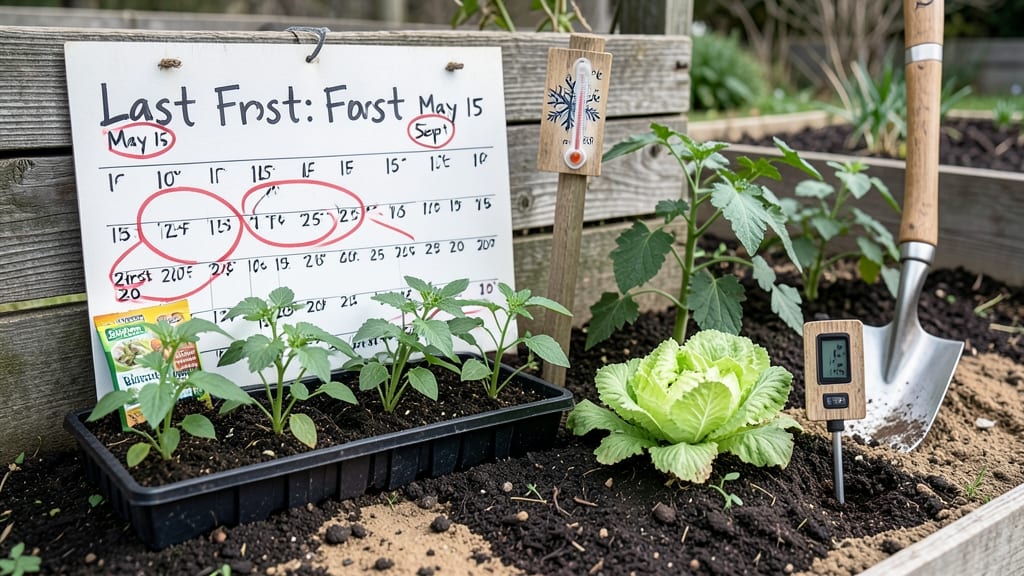
Planting a vegetable garden in Ontario at the right time means the difference between a bumper crop and a sad, frost-nibbled disappointment.
Ontario’s unpredictable spring weather can make planting your vegetable garden 🌱 a gamble—unless you know the exact timing for each crop to maximize yields and avoid frost damage.
One week too early, and your tomatoes turn into ice cubes; one week late, and the heat arrives before they even set fruit.
This isn’t just about guessing when the last frost hits—it’s about matching each vegetable to Ontario’s Hardiness Zones 5-6, where soil temperatures and daylight hours shift dramatically between southern Ontario’s milder climate and the cooler north.
Get it wrong, and you’re either waiting months for harvests or watching your greens bolt into flower.
Below, I break down the critical planting windows by month, the best crops for each season, and how to stretch your growing season with simple tricks—so you can enjoy fresh veggies from May through October, no matter where in the province you’re gardening.
Ontario’s last frost dates by region: critical planting timelines for Zones 5-6
Timing your vegetable garden in Ontario is all about understanding your last frost dates—these mark the moment when warm-season crops can safely go into the ground. In Zones 5-6, these dates vary dramatically between Southern Ontario (like London or Niagara) and Central Ontario (Toronto, Barrie).
Getting it wrong means risking frost damage to tender plants like tomatoes or peppers, while planting too early can stunt cool-season crops like spinach or peas. Let’s break down the critical windows so you can plan with confidence.
Southern Ontario typically sees its last frost between May 15–June 1, depending on microclimates. Meanwhile, Central Ontario gardeners often wait until June 1–15 to avoid surprise freezes.
These dates aren’t just arbitrary—they’re tied to heat unit accumulation, which determines whether crops like corn or cucumbers have enough growing season to mature. For example, tomatoes need about 1,000–1,200 heat units (days above 10°C), so planting too late in Zone 5 could mean a disappointing harvest.
Here’s the key: cool-season crops (like kale, radishes, and carrots) can handle light frosts and should go in as early as April in Southern Ontario. But warm-season crops (tomatoes, peppers, beans) need to wait until after your region’s last frost date—or risk wilting in the cold.
The table below compares Southern vs. Central Ontario planting timelines, including heat unit requirements and ideal crops for each window.
To make the most of these timelines, I recommend using a soil thermometer to confirm when your soil reaches 10°C—the minimum for warm-season crops.
In my garden, I’ve found that Southern Ontario’s earlier last frost lets me plant tomatoes by June 1, while in Central Ontario, I stick to short-season varieties like ‘Stupice’ tomatoes (matures in 60 days) to avoid late-summer frosts.
Pro tip: Row covers can push your planting window back by 2–3 weeks in both regions.
For real-time updates, check the Environment Canada frost forecast or local agricultural extension services. They often adjust predictions based on La Niña or El Niño patterns, which can delay or advance frost dates.
In 2023, for example, a late frost in early June in Zone 5 wiped out my pepper seedlings—so I now use biodegradable plant pots to transplant later if needed.
If you’re in Zone 6, don’t rush to plant peppers or eggplants—they need 1,200+ heat units and can’t tolerate cold soil. Instead, start them indoors in March and transplant after your last frost.
For Zone 5, focus on fast-maturing varieties like ‘Early Girl’ tomatoes (55 days) or ‘Contender’ bush beans (50 days) to maximize your harvest before fall frosts arrive.
One mistake I see often is planting corn too late—it needs 1,500+ heat units and a long growing season. In Central Ontario, I’ve had success with ‘Golden Bantam’ (a dwarf variety maturing in 70 days), but even then, I plant it by June 1 to ensure enough time.
For cool-season crops, succession planting every 2 weeks keeps your harvest going until frost.
Remember, these dates
Month-by-month planting schedule for Ontario gardens: what to sow in spring, summer, and fall
Timing is everything in Ontario’s vegetable gardens, where last frost dates can vary by 3 weeks between Zone 5 and Zone 6. My strategy? Start with cool-season crops in early spring, then transition to heat-lovers after Memorial Day weekend.
The key is balancing direct sowing (like beans and peas) with transplanting seedlings (tomatoes, peppers) to avoid frost damage. I’ve planted lettuce every 2 weeks all summer—succession planting keeps my harvests going!
For Zone 5 gardeners (e.g., Ottawa, London), aim to have tomato seedlings ready by mid-May, while Zone 6 growers (Toronto, Hamilton) can push that to early May. I test soil warmth with my finger—if it’s 10°C+ at 2 inches deep, it’s safe for warm-season crops.
Row covers let me start spinach and kale 3 weeks earlier in spring, while straw mulch keeps soil warm longer in fall for late harvests.
🌱 Cold-Hardy Crops & Seed Starting
- 🥕 Direct-sow onions, peas, spinach, and radishes (fast growers)
- 🌱 Start seeds indoors for tomatoes, peppers, and eggplants (6-8 weeks before last frost)
- 🪴 Prepare beds with compost—aim for pH 6.0-7.0 for most veggies
☀️ Warm-Season Planting & Transplanting
- 🍅 Transplant tomatoes, peppers, and eggplants (harden off seedlings first!)
- 🌿 Direct-sow beans, corn, cucumbers, and squash—they hate transplants!
- 🌱 Succession plant lettuce, kale, and bush beans every 2 weeks for continuous harvests
🌿 Succession & Fall Prep
- 🥬 Sow late-season crops: bush beans, radishes, and turnips
- 🌱 Start fall broccoli, cabbage indoors for September transplanting
- 🪴 Mulch heavily to retain moisture and suppress weeds
In July, I focus on succession planting for quick harvests before frost. Radishes mature in just 25 days, making them perfect for late-summer gaps. For Zone 5, I start cold-hardy crops like spinach and kale in mid-August under row covers.
In Zone 6, I push this to early September. My herbs (basil, cilantro) get a second planting in late July—they bolt quickly in Ontario’s heat!
Fall planting in Ontario is all about fast-maturing varieties. I prioritize bush beans, turnips, and radishes for September harvests, then shift to hardy greens like kale and Swiss chard by late August. Row covers are my secret weapon—they let me harvest spinach until Thanksgiving.
I also direct-sow garlic in October for next year’s crop!
Don’t forget herbs! Cilantro bolts in heat, so I plant it in early spring and fall. Basil thrives in summer but needs consistent watering—I deadhead flowers to prevent bolting.