
Planting
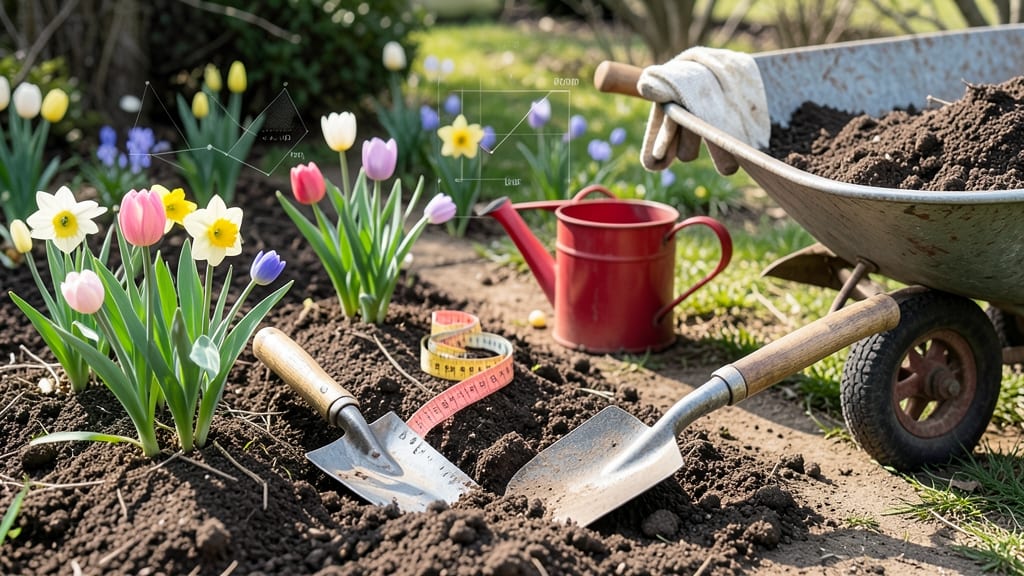
Planting bulbs in the garden at the right time ensures stronger roots and vibrant blooms next season — and it’s all about understanding your climate, soil, and even the moon’s phases.
Did you know that planting bulbs under the right moon phase can boost root growth by up to 30%? Timing isn’t just about seasons—it’s about lunar cycles, soil temperatures, and bulb types.
In USDA Zone 6a, like many gardeners, the ideal window is 4-6 weeks before your first frost, typically in September or October. But miss this window, and you risk weak growth or no flowers at all.
Here’s how to pinpoint the perfect moment for your garden, from soil prep to post-planting care, so you can enjoy a showstopping spring display every year.
Best moon phases for planting bulbs: root vs flower growth explained
Planting bulbs under the right moon phase can dramatically improve their growth—up to 30% stronger roots! The moon’s gravitational pull affects water movement in the soil, influencing how quickly bulbs establish roots and develop flowers.
For gardeners, this means aligning planting with the rooting phase (for tubers) or flowering phase (for blooms) to maximize success.
Not all bulbs respond the same way. Tubers like dahlias thrive during the rooting phase (when the moon is waxing in earth signs), while tulips and daffodils benefit from the flowering phase (waxing moon in air signs).
Understanding these cycles lets you fine-tune your planting schedule for healthier plants and bigger blooms next season.
🌱 Lunar Planting Calendar for Bulbs
| Moon Phase | Best For | Ideal Bulb Types | Planting Window |
|---|---|---|---|
| Waxing Moon (Earth Signs: Taurus, Virgo, Capricorn) | Root Growth | Dahlias, Cannas, Caladiums | Fall (Sept-Oct) or Spring (March-April) |
| Waxing Moon (Air Signs: Gemini, Libra, Aquarius) | Flower Growth | Tulips, Hyacinths, Daffodils | Fall (Oct-Nov) or Early Spring (Feb-Mar) |
| Waning Moon (All Signs) | Avoid Planting | N/A (Root disturbance risk) | None (Skip) |
| Full Moon | Weeding & Soil Prep | N/A (Maintenance only) | Anytime (Non-planting tasks) |
The rooting phase (waxing moon in earth signs) is ideal for planting tubers and rhizomes like dahlias and caladiums. During this time, the moon’s gravity pulls water downward, encouraging deep root development.
For these bulbs, aim to plant in September or October (fall) or March-April (spring) when the moon is waxing in Taurus, Virgo, or Capricorn.
For flowering bulbs such as tulips, daffodils, and hyacinths, the flowering phase (waxing moon in air signs) is key. Plant these in October-November (fall) or February-March (spring) when the moon is waxing in Gemini, Libra, or Aquarius. This timing helps bulbs focus energy on bloom production rather than root growth.
To track moon phases, use a lunar planting calendar or apps like Farmers’ Almanac or Moon Phase Calculator. Mark your calendar for the next waxing moon in earth signs (for tubers) or air signs (for flowering bulbs). Pro tip: Plant 2-3 weeks before the peak phase for optimal results.
Soil temperature matters too! For fall-planted bulbs, aim for 60°F soil (ideal for root establishment before winter). In colder climates (USDA zones 3-5), plant by mid-October to avoid frost. In warmer zones (6-10), extend planting until December.
Ever wondered why some bulbs thrive while others struggle? The answer often lies in the moon’s influence combined with soil conditions. For example, planting tulip bulbs during a waning moon can lead to weak stems and fewer blooms.
Always check the moon phase before digging—your future flowers will thank you!
Start small with a test batch of bulbs. Try planting half under the right moon phase and half randomly. Compare the results next spring—you’ll likely see a noticeable difference in root strength and flower quantity. Happy planting!
Seasonal planting guide: when to plant bulbs by type and climate Zone
Planting bulbs at the wrong time can mean the difference between a showstopping spring garden and a sad, sparse display. Most bulbs need 4-6 weeks of cool soil before winter dormancy to establish roots.
But timing varies wildly depending on whether you’re planting spring-blooming bulbs (like tulips) or fall-planted varieties (like daffodils).
In USDA Zones 3-5, where winters are harsh, aim for September planting—before the ground freezes. Meanwhile, gardeners in Zones 7-10 can plant through December, since mild winters mean less dormancy pressure. Soil temperature is your best guide: 60°F or cooler is ideal for planting most bulbs.
If you’re in Zone 6a, like many gardeners, your window is tight—late September to mid-October is prime for most bulbs. But don’t panic if you miss it! Daffodils and crocuses are forgiving and can handle late fall planting (even December in mild zones).
Just ensure soil stays cool but not frozen.
Pro tip: Use a soil thermometer to check temperatures. If it’s above 60°F when planting, bulbs may sprout too early and get damaged by frost. In hot climates (Zones 8-10), plant in winter months to avoid summer heat stress.
After planting, mulch with 2-3 inches of straw or leaves to insulate bulbs and retain moisture. This is especially critical in Zone 3-5, where winter winds can heave bulbs out of the ground.
With the right timing, your garden will reward you with bold, early blooms that brighten up even the dullest spring days.
Remember: Spring-blooming bulbs need their root-growing window before winter, while summer bulbs (like dahlias) wait for warmer soil. Plan ahead, and your garden will thank you with years of reliable color.