
Planting
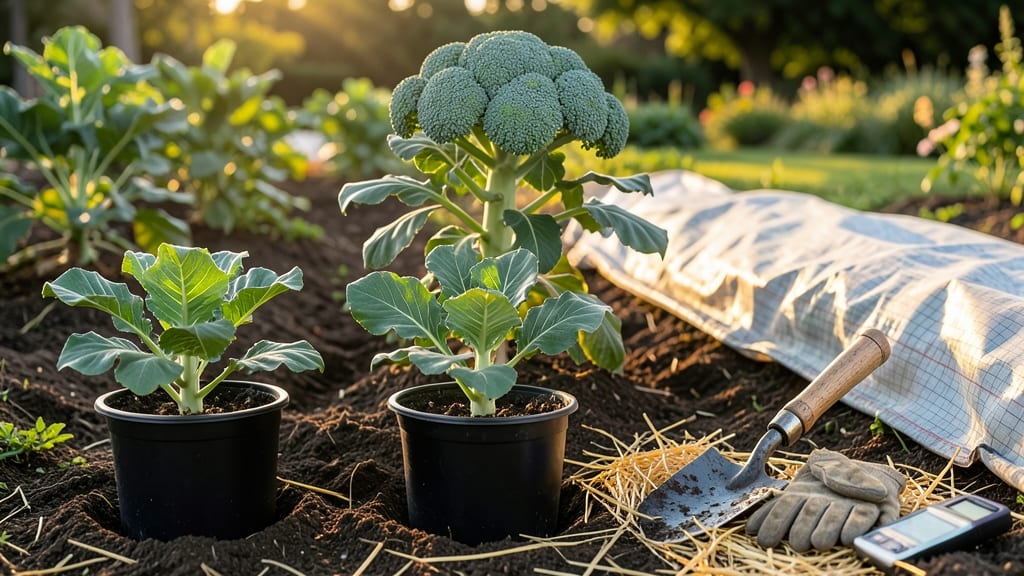
Planting a fall garden in North Carolina between mid-August and early September gives you a second harvest season before winter sets in.
Missed your spring planting window? North Carolina’s mild winters create a second chance—planting a fall garden can extend your harvest and save money at the grocery store. But timing is everything: plant too early, and frost ruins your crops; too late, and you’ll miss the growing season entirely.
In zones 6-8, the key is to beat the first frost—typically late October in the mountains and early November along the coast. This window works for cool-season crops like kale, spinach, and broccoli, which thrive in cooler weather.
Below, I’ll break down the exact dates by zone, the best crops for your fall garden, and how to prep your soil for a successful harvest before winter arrives.
NC fall planting deadlines by hardiness zone: exact dates for zero-frost risk crops
North Carolina's USDA zones 7a-8b offer a perfect second chance for gardeners to grow fresh produce after spring. The key to success lies in understanding your first-frost dates and planting frost-sensitive crops at the right time.
In zone 7a, expect your first frost around November 15-20, while zone 8b typically sees frost around December 1-5. These dates create a 6-8 week growing window for cool-season crops before winter sets in.
For frost-sensitive crops like lettuce, spinach, and broccoli, timing is critical. Planting too early exposes them to light frosts that can damage or kill tender leaves, while planting too late means they won't mature before cold weather arrives.
The solution? Use this zone-specific planting guide to maximize your fall harvest while avoiding common timing mistakes.
Comparison Table: NC Fall Planting Deadlines by Zone
| Zone | First Frost Avg. | Planting Window | Transplant Deadline | Direct Sow Deadline | Frost-Tolerant Crops |
|---|---|---|---|---|---|
| 7a | Nov 15-20 | Aug 15 - Sep 15 | Sep 1 - Sep 15 | Sep 15 - Oct 1 | Kale, Collards, Spinach |
| 7b | Nov 20-25 | Aug 20 - Sep 20 | Sep 10 - Sep 20 | Sep 20 - Oct 5 | Broccoli, Brussels Sprouts, Carrots |
| 8a | Nov 25 - Dec 1 | Aug 25 - Sep 25 | Sep 15 - Sep 25 | Sep 25 - Oct 10 | Lettuce, Radishes, Peas |
| 8b | Dec 1-5 | Sep 1 - Oct 1 | Sep 20 - Oct 5 | Oct 1 - Oct 15 | Spinach, Arugula, Turnips |
Understanding the difference between cool-season crops and warm-season crops is essential for NC fall gardens. Cool-season crops like kale, lettuce, and spinach thrive in temperatures between 40°F and 75°F and can often survive light frosts.
Warm-season crops, such as tomatoes and peppers, should be planted earlier in the season and harvested before fall temperatures drop below 50°F. The table above focuses on cool-season crops since they're ideal for fall planting.
For zone 7a gardeners, I recommend starting with transplants around August 15 to give plants enough time to establish roots before cooler weather arrives. Direct sowing can begin around September 15 for faster-growing crops like radishes and lettuce.
In zone 8b, you have a slightly longer window—plant transplants as late as September 20 and direct sow until October 15 for a late harvest.
One of my favorite fall garden hacks is using row covers or cold frames to extend the season by 2-4 weeks. These protective covers create a microclimate that shields plants from light frosts while still allowing sunlight and air circulation.
For example, in zone 7a, a cold frame can help you harvest spinach and kale through December 1 instead of November 15.
When selecting crops for your fall garden, prioritize fast-maturing varieties that can reach harvest before frost. Look for labels indicating 50-60 day varieties for leafy greens and 60-75 day varieties for root vegetables.
My go-to choices include 'Winter Density' kale (58 days), 'Black Seeded Simpson' lettuce (55 days), and 'Purple Top White Globe' cabbage (70 days).
Don't forget to prepare your soil properly before planting. Fall gardens benefit from well-draining soil with a pH between 6.0 and 7.0. Amend your soil with compost or aged manure 2-3 weeks before planting to give nutrients time to integrate.
I also recommend testing your soil for nitrogen levels, as cool-season crops need more nitrogen than warm-season varieties to produce lush foliage.
After planting, maintain consistent moisture
Top 10 fall garden crops for NC and how to extend their harvest before frost
North Carolina’s fall garden thrives with cool-season crops that love crisp air and shorter days. The key to success? Choosing fast-maturing varieties and protecting tender plants from early frosts.
My top picks balance hardiness with quick harvests—perfect for NC’s USDA zones 6-8. Let’s dive into the best performers and how to keep them producing until winter.
Start with leafy greens like spinach and kale, which tolerate light frosts and even sweeten when exposed to cold. Root crops such as radishes and carrots mature quickly, making them ideal for fall.
For heartier options, collard greens and broccoli thrive in cooler temps and can be harvested well into winter with protection.
🌱 Top 10 Fall Crops for NC + Planting Tips
- Radishes: Sow 8-10 weeks before first frost (early Sept in NC). Harvest in 25-30 days—fast and cold-tolerant!
- Spinach: Plant 6-8 weeks before frost (late Aug). Prefers cool soil (50-65°F) and partial shade in hot afternoons.
- Carrots: Start seeds 3 months before frost (early Sept). Loosen clay-heavy soil to prevent forking.
- Kale: Transplant 6-8 weeks before frost (late Aug). Sweetest after light frost—harvest leaves as needed.
- Collards: Sow 4-6 weeks before frost (early Sept). Thrives in cool weather and well-draining soil.
- Broccoli: Plant 8-10 weeks before frost (early Sept). Space 18 inches apart for head room.
- Lettuce: Direct-sow 8-10 weeks before frost (late Aug). Use shade cloth if temps exceed 80°F.
- Beets: Start seeds 3 months before frost (early Sept). Harvest greens first for continuous harvests.
- Turnips: Sow 8-10 weeks before frost (early Sept). Both roots and greens are edible!
- Garlic: Plant 4-6 weeks before first hard frost (Oct-Nov). Choose hardneck varieties for NC’s winters.
🌿 Pro Tip: Test soil pH (aim for 6.0-7.0) and amend with compost before planting.
To extend harvests, use row covers or cold frames for crops like kale and spinach. These create a microclimate that delays frost damage by 2-4 weeks. For root crops, add straw mulch (3-4 inches) to insulate soil and prevent freezing.
I’ve had great success with low tunnels over lettuce beds—just secure edges with bricks to keep them in place during wind.
Watering shifts in fall: reduce frequency but increase depth to encourage deep root growth. Aim for 1 inch per week, delivered in the morning to prevent fungal diseases.
Avoid overhead watering before nightfall—wet foliage invites downy mildew, especially in NC’s humid climate. A drip irrigation system is a game-changer for consistent moisture.
Harvest strategies vary by crop. For leafy greens, pick outer leaves first to prolong production. With root crops, harvest before hard frosts hit—carrots and beets become woody when frozen.
Store extras in sand-filled crates in a cool, dark basement for winter use. I’ve kept collards producing until January by harvesting only the outer leaves and leaving the center intact.
Don’t forget pest control! Slugs and aphids love tender fall crops. Set out beer traps for slugs and introduce ladybugs for aphids. A neem oil spray (mixed weekly) keeps pests at bay without harming beneficial insects.
Rotate crops next spring to break disease cycles—NC’s humid summers breed fungal pathogens that linger in soil.
With these 10 fall crops and protective strategies, your NC garden can keep yielding well into winter. Start planning now, and you’ll be feasting on homegrown greens while others are shoveling snow! 🌱