
Planting
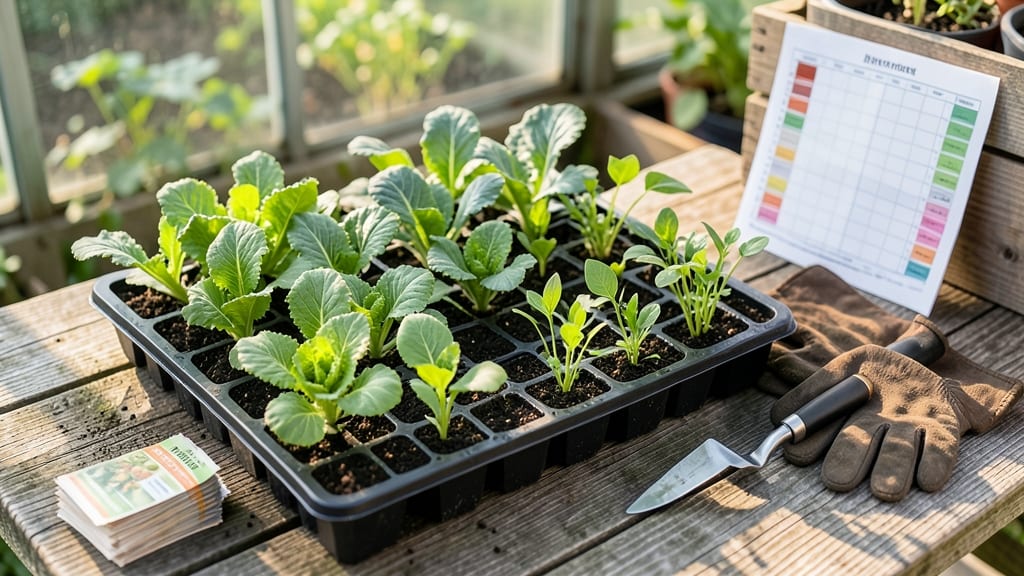
Planting a garden in Maine at the right time means the difference between a thriving harvest and a frost-killed disappointment — and the exact windows depend on your zone and crop type.
Maine’s unpredictable frost dates can turn your gardening dreams into a gamble unless you know the precise timing for your hardiness zone. Whether you’re sowing peas in Zone 5 or transplanting tomatoes in Zone 6, waiting too long risks stunted growth, while planting too early invites frost damage.
This guide cuts through the guesswork with frost-free timelines tailored to Maine’s short but productive growing season.
From cool-season crops like spinach (plant by mid-April) to warm-season favorites like peppers (wait until late May), we’ll break down the best months for every type of General Garden Plants 🌱.
Plus, learn how coastal microclimates in Zone 6b can buy you an extra two weeks of planting compared to inland areas.
You’ll walk away with a month-by-month planting schedule, frost-proofing tips, and the secrets to extending Maine’s growing season—so you can enjoy fresh veggies from June through October without the stress.
Maine’s frost dates by Zone: when to plant cool vs. warm-season crops
Maine’s growing season is short but sweet—if you time it right. The difference between Zone 5a (northern Maine) and Zone 7a (southern coast) can mean 4-6 weeks of planting flexibility.
Cool-season crops like spinach and peas thrive when planted early, while tomatoes and peppers need to wait until all danger of frost has passed. Let’s break down the frost-free windows by zone so you can plan your garden like a pro.
First, grab your frost date averages—these are your garden’s lifeline. Coastal areas (like Zone 7a) often enjoy 2-3 weeks earlier last frosts than inland spots in Zone 5b. Microclimates matter too: a south-facing slope warms faster than a low-lying area.
For example, Portland’s last frost is usually May 15, while Presque Isle’s can linger until June 1. Use these dates as a guide, but always check your local Almanac or weather station for real-time updates.
Here’s the summary table with frost dates and planting windows for Maine’s most common zones:
For cool-season crops, like kale, carrots, and radishes, plant them 4-6 weeks before your last frost date. In Zone 5a, that means starting seeds indoors by March 15 for an outdoor move by April 15.
In Zone 7a, you can direct-sow spinach as early as February 20 under row covers. These crops handle light frosts, so don’t rush—slower growth = sweeter harvests.
Warm-season crops, such as tomatoes, peppers, and cucumbers, need to wait until the
Best month-by-month planting schedule for Maine gardens
Maine’s growing season is short but packed with potential—if you time your plantings just right. The key is working with the 150-180 frost-free days most zones offer, while accounting for false springs that can fool even experienced gardeners.
My strategy? Start cool-season crops early, protect tender plants from late frosts, and use succession planting to stretch harvests until October.
Below is your month-by-month roadmap, tailored to Maine’s Zone 5-7 quirks. I’ve included frost alerts, soil prep tips, and the best crops for each month to help you avoid common pitfalls like June frosts in northern areas or overcrowded seedlings from delayed planting.
- 1 April: Harden off transplants (peppers, tomatoes) and start cool-season crops like spinach and peas. Test soil—amend with compost if needed. Watch for late frosts (❄️) until mid-month.
- 2 May: Direct-sow lettuce, radishes, and carrots. Transplant cabbage and broccoli after May 15. Coastal areas can plant 1-2 weeks earlier than inland zones.
- 3 June: Warm-season stars (tomatoes, peppers, squash) go in after June 1. Use row covers if frost risk lingers. Succession-sow beans and cucumbers every 2 weeks for continuous harvests.
- 4 July: Focus on succession planting (bush beans, beets) and pest control. Mulch to retain moisture. Start fall crops (kale, Brussels sprouts) indoors for August transplants.
- 5 August: Extend the season with row covers or cold frames. Plant hardy greens (spinach, arugula) for fall harvests. Harvest tomatoes and peppers before first frost.
- 6 September: Cool-season champions (broccoli, cabbage) thrive now. Direct-sow garlic and onions for next year. Clean up debris to prevent disease over winter.
- 7 October: Harvest remaining greens before frost. Plant winter rye as a cover crop. Protect perennials with mulch for winter.
- 8 November: Plan next year’s crop rotation. Store tools and seeds in dry places. Monitor soil moisture—snow cover helps!
- 9 December: Prune perennials (after frost). Order seed catalogs