
Planting
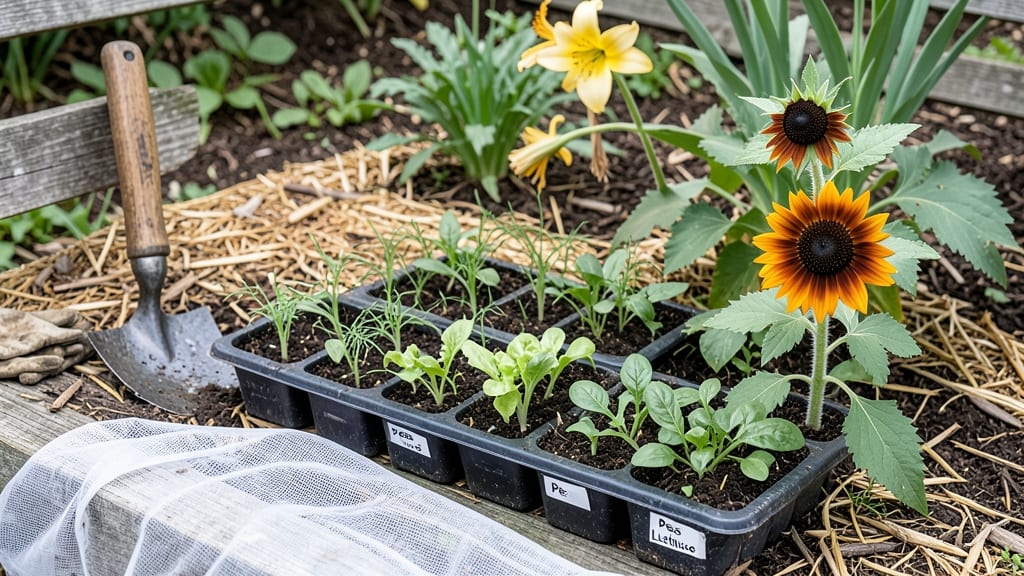
Planting your garden in Minnesota at the right time means the difference between a harvest that feeds your family and one that barely survives 🌱 — and with Zone 4B’s short season, getting those dates wrong costs you weeks of growth.
Minnesota’s short growing season means timing your garden planting can mean the difference between a bountiful harvest and a disappointing loss—so knowing the exact frost dates for Zone 4B is non-negotiable.
Most gardeners in the North Star State wait until after the last frost in mid-May, but that’s just the start. Cool-season crops like peas and lettuce can go in as early as April, while tomatoes and peppers need to wait until late May or even June in northern Minnesota.
Below, I’ll break down the best planting windows for every crop, how to stretch your season with row covers, and which fast-growing vegetables thrive in Minnesota’s climate—so you can maximize every frost-free day.
Minnesota’s frost dates by region: when to plant cool vs warm-season vegetables
Minnesota’s Zone 4B climate demands precision when planting—getting the timing wrong can mean the difference between a thriving garden and a frost-killed disaster. The average last frost dates vary dramatically between northern and southern Minnesota, with as much as a three-week difference between regions.
For example, southern Minnesota (like Rochester) typically sees its last frost around May 10-15, while northern areas (such as Duluth) often wait until May 25-30.
Understanding these regional frost dates helps you choose between cool-season crops (like peas and spinach) that thrive in early spring and warm-season crops (such as tomatoes and peppers) that need to wait for soil to warm.
My garden in Zone 4B St. Paul follows a strict timeline: I plant cool-season veggies as soon as the ground is workable (usually late April), while warm-season plants wait until after Memorial Day.
But frost dates aren’t the whole story—microclimates play a huge role. A south-facing slope or a sheltered garden bed can warm up 1-2 weeks earlier than official averages. For instance, my sunniest raised bed often gets warm enough for tomatoes 10 days earlier than the rest of my yard.
Always scout your garden for these warm pockets and adjust your planting schedule accordingly.
Here’s a quick breakdown of Minnesota’s frost-free windows by region, along with the best planting times for cool vs warm-season crops:
For cool-season vegetables, think peas, lettuce, spinach, and kale—these thrive in 50-60°F soil and can handle light frosts.
I start these 4-6 weeks before the last frost date, often under row covers for extra protection. Warm-season crops like tomatoes, peppers, and cucumbers, however, need soil temps above 60°F and won’t tolerate frost. Plant these 2-3 weeks after your region’s last frost date for best results.
One of my biggest mistakes early on was planting tomato seedlings too soon in central Minnesota. Even with row covers, the late-May frosts still damaged the plants.
Now, I wait until June 1 to transplant warm-season crops, giving the soil time to warm up. Succession planting also helps—sowing bush beans every 2 weeks from late May through June ensures a steady harvest before the first frost.
Don’t forget about fall planting! Many cool-season crops can be sown in late July or August for a second harvest before winter. For example, spinach and radishes often thrive in fall’s cooler temps and can be harvested well into October.
Just time it so they mature 4-6 weeks before your region’s first frost.
If you’re unsure about your local frost dates, check the MN State Climatology Office or use a frost calendar app. I also recommend testing your soil temperature with a soil thermometer—warm-season crops won’t grow well in cold soil, no matter how eager you are to plant.
For northern Minnesota, this might mean waiting until early June for tomatoes, while southern Minnesota gardeners can start 2 weeks earlier.
Pro tip: Keep a gardening journal to track your local frost dates over the years. My notes show that 2023’s last frost in St. Paul came 10 days later than the 10-year average—knowledge that helped me adjust my planting schedule and avoid another frost-damaged crop.
With a little planning, you can make Minnesota’s short season work in your favor!
How to extend your Minnesota growing season without risking frost damage
Minnesota’s Zone 4B climate challenges gardeners to work smarter, not harder. With an average 120 frost-free days, extending your growing season is essential for maximizing yields. The key lies in combining protective structures with strategic planting techniques that shield tender plants from late spring and early fall frosts.
I’ve learned through trial and error that row covers and cold frames can add 2-4 weeks to your season, while succession planting ensures continuous harvests. However, many gardeners make costly mistakes—like planting warm-season crops too early or removing protective covers prematurely.
Let’s break down the best methods to push your Minnesota garden’s limits safely.
⚠️ Common Mistake Alert: Planting Too Early
Many Minnesota gardeners rush to plant warm-season crops like tomatoes and peppers as soon as soil is workable—often in late April. But without protection, a single 28°F frost can wipe out young seedlings. Wait until after your last frost date (typically May 10-20 in most of Minnesota) and use row covers for an extra safety net.
For cool-season crops like spinach and peas, I start seeds indoors 4-6 weeks before the last frost date. These hardy plants can tolerate light frosts, but a hard freeze (below 20°F) will still damage them.
To extend their season, I use low tunnels made from PVC pipes and row covers, which can raise temperatures by 5-10°F.
Succession planting is another game-changer. Instead of planting all your lettuce or radishes at once, I sow new seeds every 2 weeks from early spring to mid-summer. This ensures a steady harvest and prevents glutting my kitchen.
For example, I plant bush beans in three batches: May 15, June 1, and June 15, staggered to avoid all plants maturing simultaneously.
When selecting varieties, prioritize fast-maturing and heat-tolerant plants. In my garden, ‘Early Girl’ tomatoes (55 days) and ‘Provider’ bush beans (50 days) outperform slower varieties. For fall harvests, I choose ‘Winterbor’ kale, which thrives in cool weather and can be harvested until November with row covers.
Finally, don’t overlook the power of mulching. A thick layer of straw or leaves insulates soil, keeping roots warmer in spring and cooler in fall.
I also use black plastic mulch for warm-season crops like peppers, which warms the soil 5-10°F faster than bare earth—critical for getting a head start in Minnesota’s chilly climate.
With these strategies, I’ve extended my growing season by 6-8 weeks on both ends, turning Minnesota’s short window into a productive garden paradise. The key is patience and protection—never rush, always shield, and always plan ahead. 🌱