
Planting
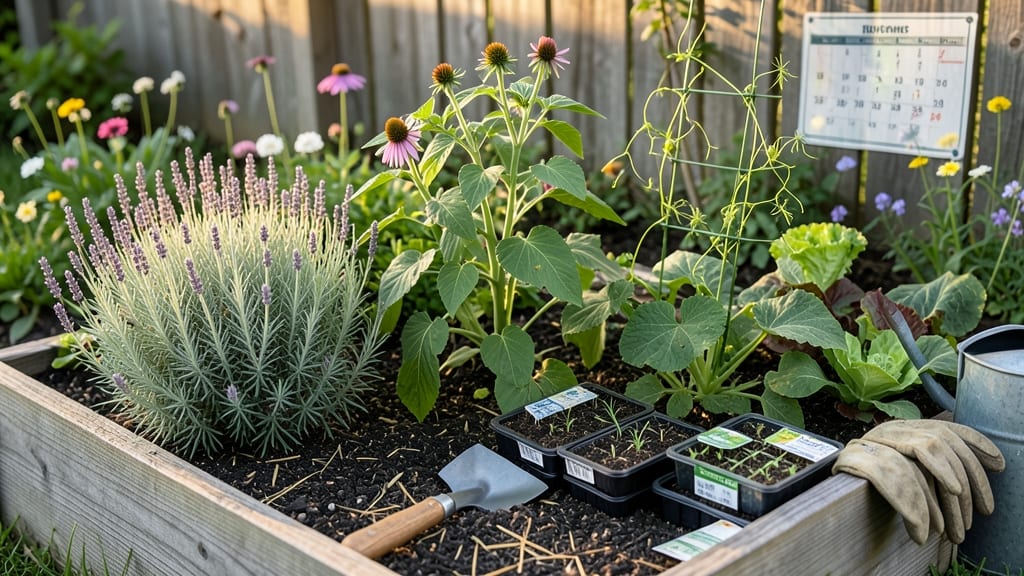
Planting your garden in Nebraska at the right time ensures strong starts and bountiful harvests 🌱—timing depends on whether you're sowing cool-season crops like lettuce or warm-season favorites such as tomatoes.
Nebraska’s unpredictable climate can make or break your garden—planting too early risks frost damage, while waiting too long shortens your growing season. Timing is everything, and knowing the last frost dates by crop type is your secret weapon for a thriving garden.
Most Nebraska regions (USDA Zones 4b–5a) see their last frost between mid-April and early May, but microclimates—like urban heat islands in Omaha or cooler western plains—shift those dates by weeks. Cool-season crops like peas and spinach can handle light frosts, while tomatoes and peppers need warmth to thrive.
In this guide, I’ll break down the exact planting windows for your favorite crops, frost-proofing tips, and how to stretch your growing season—so you can avoid common mistakes and enjoy a garden that outperforms the neighborhood.
Nebraska last frost dates by region: when to plant cool-season vs warm-season crops
Nebraska’s last frost dates vary dramatically across its USDA hardiness zones 5a-6b, from the eastern cities like Omaha to the drier western plains near Kearney. Getting these dates right means the difference between a lush garden and a frost-nipped failure.
I’ve broken down the averages for four key regions so you can plan your cool-season crops (like lettuce and peas) and warm-season crops (like tomatoes and peppers) with confidence.
For Omaha and Lincoln in eastern Nebraska (Zone 5b-6a), the average last frost date falls between April 15-20. Meanwhile, Kearney and western Nebraska (Zone 5a) often see their last frost 1-2 weeks earlier, around April 5-10.
These differences matter because warm-season crops need the soil to stay above 50°F for weeks before planting.
Here’s the critical rule: Wait until 2 weeks after your region’s average last frost date to plant warm-season vegetables, like tomatoes and peppers. This accounts for late frosts and gives seedlings time to establish roots.
For cool-season crops, you can start planting as early as 2-4 weeks before the last frost—even in late March for hardy varieties like peas and spinach.
Microclimates add another layer of complexity. Urban areas like Omaha’s downtown can be 2-3°F warmer than rural fields, while low-lying spots hold frost longer. If you’re near water bodies or in a valley, push your planting dates 1 week later to be safe.
🌱
Let’s dive into specific planting windows for your most popular crops. Cool-season vegetables like lettuce and spinach thrive when planted 4-6 weeks before the last frost. In Omaha, that means March 15-April 10, while in Kearney, you can start as early as February 25 for hardy varieties.
For warm-season crops, wait until the soil reaches 60°F—usually 2 weeks after your region’s last frost date.
Tomatoes and peppers are frost-sensitive and need consistent warmth. In Lincoln, plant them May 5-15, while in western Nebraska, aim for April 20-30. Cucumbers follow a similar schedule but can tolerate slightly cooler soil, so you might push them 1 week earlier than tomatoes.
Always use row covers if planting early to protect young seedlings from unexpected late frosts.
For peas and spinach, which handle light frosts, you can even plant successive crops every 2 weeks until early June. This strategy extends your harvest season and maximizes your garden’s productivity.
Just remember: soil temperature matters more than air temperature. Use a soil thermometer to confirm it’s above 40°F for cool-season crops or 60°F for warm-season varieties before planting.
If you’re in Zone 6b (like parts of eastern Nebraska), you might have a longer growing season and can experiment with late summer plantings of cool-season crops like kale or Brussels sprouts. These can handle light frosts and even taste sweeter after exposure to 20-30°F temperatures.
For most Nebraskans, though, focus on spring planting and early summer succession crops to avoid the first frost, which typically hits between October 10-20.
Pro
How to extend your Nebraska growing season: frost-protection tips and smart planting strategies
Nebraska's short growing season and unpredictable frosts can feel like a gardener's worst enemy, but with the right strategies, you can push your planting windows by 4-6 weeks. Whether you're growing heat-loving tomatoes or cool-season spinach, these techniques will help you maximize your harvest potential.
One of the simplest ways to extend your season is by using frost cloths or row covers. These lightweight fabrics trap heat during the day and protect plants from light frosts (down to 25-28°F).
For even earlier planting, consider a cold frame—a transparent box that acts like a mini greenhouse, allowing you to start warm-season crops like peppers and eggplants 2-3 weeks earlier.
🌱 5 Proven Ways to Extend Your Nebraska Growing Season
- Use row covers to protect seedlings from light frosts and extend planting by 3-4 weeks.
- Build a cold frame for early spring or late fall planting of frost-sensitive crops.
- Choose heat-tolerant varieties like 'Heatmaster' tomatoes or 'Early Girl' peppers for better performance in Nebraska's hot summers.
- Practice succession planting—sow fast-growing crops like radishes or lettuce every 2 weeks for continuous harvests.
- Hardening off seedlings 7-10 days before transplanting improves their cold resistance and survival rates.
Another game-changer is the 10-day rule for calculating safe planting dates. After your average last frost date (typically April 15-May 1 in most of Nebraska), wait 10 days before planting warm-season crops like tomatoes and peppers.
This buffer accounts for late frosts and gives young plants time to establish roots before extreme heat arrives.
For fall planting, focus on cool-season crops like kale, spinach, and carrots. Start seeds indoors 8-10 weeks before your first frost date (usually October 10-November 1) and transplant hardened-off seedlings outdoors. Use black plastic mulch to warm the soil and extend the growing window by 2-3 weeks.
Don't overlook the power of succession planting. Instead of planting all your lettuce or beans at once, stagger plantings every 2-3 weeks to ensure a steady harvest.
This works especially well for fast-maturing crops like radishes (25 days) or bush beans (50 days), giving you fresh produce for weeks longer.
Finally, harden off seedlings properly to boost their resilience. Gradually expose them to outdoor conditions over 7-10 days, starting with 2 hours of sunlight and increasing daily. This prepares them for Nebraska's temperature swings and reduces transplant shock, helping your garden thrive even in challenging conditions. 🌿