
Planting
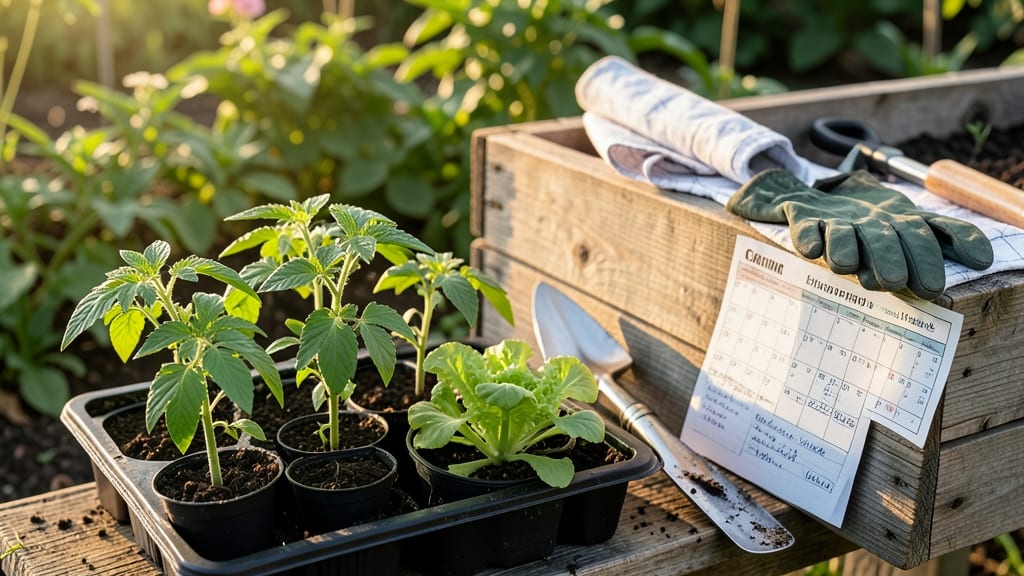
Planting your garden in West Virginia at the right time means the difference between a bountiful harvest and a season of disappointment.
West Virginia’s unpredictable frost dates can make or break your garden—planting too early risks frost damage, while waiting too long cuts your harvest season short. Mastering the perfect planting timeline ensures your tomatoes, peppers, and greens thrive without guesswork.
With USDA Zones 5b-7a, your last frost typically arrives around mid-April, but high-altitude areas can hold frost weeks longer.
Cool-season crops like lettuce and spinach need to go in 4-6 weeks before that date, while warm-season favorites like tomatoes and peppers wait until 2-3 weeks after the frost has passed.
Below, I break down the exact planting windows for every WV zone, plus how to adjust for microclimates, extend your season, and avoid common mistakes that waste your hard work.
West Virginia frost dates by Zone: when to plant for zero-frost risk
West Virginia’s diverse USDA zones 5b-7a create unique planting challenges, especially with mountainous regions like the Allegheny Mountains experiencing earlier frosts than valley areas. Understanding your last frost dates and first frost timelines is critical for timing warm-season crops like tomatoes and cool-season crops like spinach.
Based on 2024 historical data from WVU Extension, I’ll break down the perfect planting windows for each zone to maximize your harvest.
In Zone 5b (northwest WV), the average last frost date is April 25, while Zone 7a (southern WV) typically sees its last frost by April 10.
First frosts arrive as early as October 10 in Zone 5b and November 1 in Zone 7a. These variations mean your planting windows should adjust by 2-3 weeks depending on elevation and location.
🌱 Key Tip: Always use row covers or cold frames for 3-4 weeks after your zone’s last frost date to protect tender seedlings like peppers and cucumbers.
| USDA Zone | Last Frost Date | First Frost Date | Warm-Season Planting Window | Cool-Season Planting Window | Microclimate Adjustment |
|---|---|---|---|---|---|
| Zone 5b (Northwest) | April 25 | October 10 | May 15 - June 15 | March 15 - April 10 | Mountainous areas: delay by 1-2 weeks |
| Zone 6a (Central) | April 15 | October 25 | May 1 - June 10 | March 1 - April 5 | Valley areas: advance by 1 week |
| Zone 7a (Southern) | April 10 | November 1 | April 20 - June 5 | February 20 - March 20 | Urban areas: advance by 1 week |
Adjust planting dates by 1-2 weeks for high-altitude gardens (above 3,000 ft).
For warm-season crops like tomatoes and peppers, wait until 2-3 weeks after your zone’s last frost date to transplant seedlings outdoors. In Zone 5b, this means May 15, while Zone 7a gardeners can start as early as April 20.
Direct-sow cucumbers and beans after soil temperatures reach 60°F, typically 1-2 weeks later than transplanting.
🌿 Pro Tip: Use heat-loving varieties like ‘Mountain Magic’ tomatoes or ‘Early Girl’ peppers to extend your harvest in shorter seasons. These varieties mature in 50-60 days, giving you a better chance of a full crop before frost.
Cool-season crops like lettuce, spinach, and carrots thrive when planted 4-6 weeks before your last frost date. In Zone 5b, this means starting seeds indoors by March 15 for an outdoor transplant by April 10.
For Zone 7a, you can direct-sow as early as February 20 under row covers or in a cold frame.
🌡️ Watch Out: Mountainous regions (e.g., Monongahela National Forest) can experience late spring frosts even after valley areas have warmed. Monitor the WVU Frost Freeze Forecast and keep frost cloth handy for 30-45 days after your zone’s average last frost date.
Succession planting is key in WV’s short growing season. For lettuce and radishes, sow new seeds every 2 weeks from spring through early summer to ensure continuous harvests.
Similarly, bush beans and zucchini benefit from staggered planting to avoid gluts. In Zone 6a, you can even squeeze in a
Best month-by-month planting calendar for WV gardens
West Virginia’s gardening season is short but sweet—getting your timing right means the difference between a bountiful harvest and a wilted disappointment. I’ve broken down the monthly planting tasks so you can maximize your garden’s potential, whether you’re growing heat-loving tomatoes or frost-tolerant kale.
This calendar accounts for WV’s USDA Zones 5b-7a and includes succession planting tips to keep your kitchen stocked all season long.
For high-altitude gardens (like those in the Allegheny Mountains), adjust planting dates by 1-2 weeks later to avoid late frosts. Valley regions can plant 1-2 weeks earlier for longer growing seasons. Always check your local frost-free dates—they’re your garden’s roadmap to success.
- March: Start indoor seeds (basil, peppers, eggplants) under grow lights. Harden off cool-season crops (lettuce, spinach, peas) for early April planting.
- April: Plant frost-tolerant veggies (kale, carrots, radishes) 2-3 weeks before last frost. Set out transplants (tomatoes, peppers) after frost risk passes (mid-April in valleys, late April in mountains).
- May: Sow warm-season crops (beans, cucumbers, squash) directly outdoors. Begin succession plantings of lettuce and spinach for fall harvests.
- June: Plant heat-resistant varieties (okra, sweet potatoes) and herbs (basil, cilantro). Watch for pests—use row covers if needed.
- July: Succession plant bush beans and summer squash for late-season harvests. Start fall crops indoors (broccoli, cabbage).
- August: Transplant cool-season starts (kale, Brussels sprouts) 6 weeks before first frost. Harvest tomatoes, peppers, and herbs aggressively.
- September: Direct-sow spinach, radishes, and turnips for fall/winter harvests. Plant garlic for next year’s crop.
- October: Extend season with cold frames for greens and root veggies. Clean up garden beds and add compost for spring.
Pro tip: Use succession planting to keep your garden productive. For example, after harvesting early spring lettuce, replant with bush beans in June, then fall spinach in August. This maximizes space and ensures a continuous harvest.
Don’t forget to harvest regularly—this encourages more production! Morning harvests keep veggies crisp and flavorful. If you’re new to WV gardening, start small with easy crops like bush beans, zucchini, and lettuce to build confidence before tackling tomatoes or peppers, which need more attention.
For late-season gardens, try heat-tolerant varieties like ‘Heatmaster’ tomatoes or ‘Malabar spinach’, which thrive when temps dip. And if frost sneaks in early? Row covers are your best friend for protecting tender crops.
With this month-by-month plan, you’ll avoid the common WV gardening mistakes—like planting tomatoes too early or missing fall harvest windows. Happy planting! 🌱