
Planting
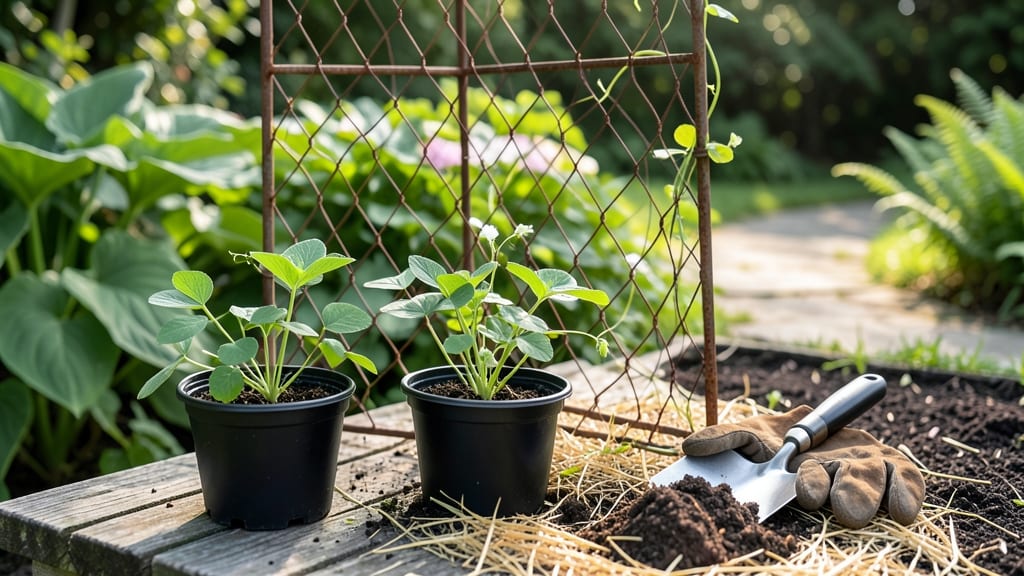
To plant garden peas at the right time means snagging a harvest in just 60 days—but miss the window, and you’ll end up with bitter pods or stunted plants.
Garden peas 🌱 love cool weather but bolt in heat, which is why timing matters more than most gardeners realize. Plant too early in cold zones, and they’ll rot; too late, and summer’s sweltering sun turns your crop into a sad, shriveled mess.
For USDA Zone 6a (like much of the Midwest), the sweet spot is 4-6 weeks before your last frost—typically early March to mid-April. But if you’re in a warmer zone, late summer planting can work too, giving you a fall harvest before the first frost.
Below, I’ll break down the best planting windows by region, how to prep your soil for fastest growth, and the one trick that keeps your peas thriving even when temperatures climb.
Best planting times for garden peas by climate Zone
Garden peas (Pisum sativum) are cool-season crops that thrive when temperatures stay between 40°F and 75°F. Planting them at the wrong time—like during summer heat—can stunt growth or produce bitter-tasting pods.
The key is timing your planting to align with your USDA hardiness zone and local frost dates. In colder zones, you can even plant peas in late summer for a fall harvest!
Peas are frost-tolerant, meaning they can handle light freezes (28°F) without damage. This makes early spring and late summer the ideal windows for planting. However, soil temperature matters just as much as air temperature—peas need soil that's at least 40°F to germinate properly.
Warmer zones can extend their growing season into fall, while cooler zones may need to wait until spring.
Below is a zone-by-zone guide to help you determine the best planting times for garden peas. Whether you're in the chilly USDA Zone 1 or the milder Zone 10, this table will ensure you plant at the perfect moment for maximum yield and sweetness.
In USDA Zones 1-3, where winters are long and harsh, focus on early spring planting. The soil often stays cold well into spring, so use black plastic mulch or row covers to warm the soil faster.
You can also try a late summer planting for a fall harvest before the first frost hits in October.
For Zones 4-7, the sweet spot is early spring, but don’t wait too long—peas planted after May 15 often struggle with heat. Instead, opt for succession planting every 2 weeks until early June.
This ensures a steady supply of fresh peas. Late summer plantings in August can also yield a fall harvest before winter sets in.
Gardeners in Zones 8-10 have more flexibility. In Zone 8, you can plant peas in late winter or early spring, while Zone 9 and 10 gardeners can even try winter planting (November-January) for a spring harvest.
However, avoid planting in summer—peas hate temperatures above 80°F and will bolt or produce poor-quality pods.
Pro tip: Always check your last frost date and aim to plant peas 4-6 weeks before it arrives. This gives them enough time to establish roots before warmer weather sets in. For fall plantings, leave 90 days before your first frost date to ensure a full harvest before winter.
If you’re unsure about your exact planting window, start with a test batch in early spring and monitor growth. Peas are fast-growing—you’ll see sprouts in 7-10 days if conditions are right! Adjust future plantings based on how quickly they mature in your garden.
One final tip: Pair your peas with radishes
How to time your pea planting for fastest harvest
Timing is everything when growing garden peas—these cool-weather crops bolt and produce bitter pods if exposed to heat over 80°F. The secret to a fast 60-day harvest lies in planting when soil temperatures hover between 40-75°F and days are still short.
I’ve learned that even a 10°F difference can mean the difference between sweet, tender peas and tough, stringy failures.
Peas are frost-tolerant and can even handle light freezes, but they despise summer heat. That’s why my fastest harvests always come from early spring or late summer plantings. The key is to start seeds 4-6 weeks before your last frost date—this gives them time to mature before temperatures climb.
For regions with mild winters, a fall planting in late summer works too.
- 📅 4-6 Weeks Before Last Frost – Start seeds indoors or sow directly in cool soil (40-50°F). Use black plastic mulch to warm soil faster in cold climates.
- 🌡️ Soil Temp 50-60°F – Ideal for germination. Test with a soil thermometer—if below 40°F, wait or use row covers.
- ☀️ 6-8 Weeks After Planting – Expect first harvest if planted early. Succession plant every 2 weeks for continuous pods.
- 🌿 Companion Plants – Pair with radishes, lettuce, or carrots to shade soil and deter pests. Avoid planting near onions or garlic, which stunt growth.
- ⏰ Late Summer Planting – For fall harvests, sow seeds 8-10 weeks before first frost. Choose heat-tolerant varieties like ‘Oregon Sugar Pod’.
One of my biggest mistakes was planting peas too late in spring, thinking they’d grow faster. Instead, they languished in 70°F+ soil, producing tiny, tough pods. I now swear by succession planting: every 2 weeks after the first sowing, I add another row.
This stretches my harvest from 2 weeks to 2 months—no wasted peas!
For fastest growth, focus on soil temperature over air temperature. Pea seeds won’t germinate well in cold, wet soil, so I always mix in compost to improve drainage. If your soil runs cooler than 40°F, use black plastic mulch or a cold frame to speed up warming.
Pro tip: Plant peas near trellises—this keeps foliage off the ground, reducing disease risk and speeding up maturation.
Don’t overlook companion planting—it’s a game-changer for pea speed. I pair mine with radishes, which mature quickly and mark rows, or lettuce, which thrives in pea shade. Avoid planting near alliums, though—their scent repels pea pests but also stunts growth.
For pest control, I sprinkle diatomaceous earth around plants and use row covers if aphids appear.
If you live in a hot climate (USDA zones 8-10), focus on fall plantingslate summer when days shorten and temperatures drop. Varieties like ‘Wando’ or ‘Green Arrow’ handle heat better than traditional types.
Just be ready to harvest quickly—these peas bolt faster in warm weather. For a year-round supply, grow peas in containers and move them to shade during heatwaves.