
Plants
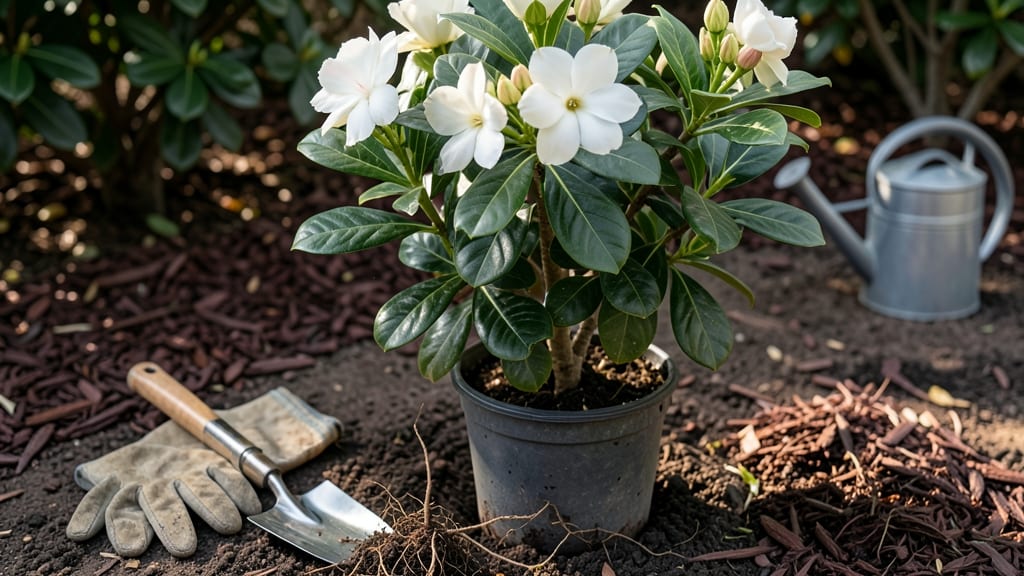
To plant gardenias in North Carolina, aim for late March through April after the last frost—when soil temperatures hit 60°F—or September to October for fall planting.
Timing isn’t just about frost; it’s about soil warmth and your local microclimate. In USDA zones 7a-8b, a late spring planting can mean the difference between a thriving 🌸 and a struggling shrub.
North Carolina’s varied regions—Coastal, Piedmont, and Mountains—each have their own frost-free dates, so knowing your zone helps avoid common mistakes like planting too early or too late.
Below, I’ll break down the best planting windows by region, soil prep tips, and how to adjust for NC’s humid summers and occasional late frosts.
North Carolina’s ideal planting window for gardenias: soil temperature rules
Gardenias thrive in North Carolina’s climate, but timing your planting based on soil temperature and frost-free dates is critical. These tropical shrubs need warm soil (60°F+) to establish roots quickly. Planting too early risks frost damage, while waiting too long may stunt growth before summer heat arrives.
North Carolina spans USDA zones 7b-9a, creating regional differences. Coastal areas (like Wilmington) enjoy milder winters, while the Piedmont (Raleigh) and Mountains (Asheville) face earlier frosts. Understanding your zone helps narrow planting windows to March-April or September-October—but soil temperature dictates the exact date.
| Region | USDA Zone | Ideal Planting Window | Soil Temp Requirement | Key Tip |
|---|---|---|---|---|
| Coastal (Wilmington) | 8a-9a | Mid-March to April 15 | 60°F+ (soil warms early) | Plant after last frost (avg. Feb 28) |
| Piedmont (Raleigh) | 7b-8a | April 1 to May 1 | 60°F+ (soil warms by April) | Wait for consistent 60°F soil |
| Mountains (Asheville) | 6b-7a | May 1 to June 1 | 65°F+ (cooler soil delays planting) | Use black plastic mulch to warm soil |
| Fall Planting (All Regions) | 7b-9a | September 15 to October 15 | 60°F+ (soil must stay warm) | Avoid late fall (risk of winter kill) |
To test soil temperature, use a soil thermometer (insert 4-6 inches deep). Gardenias need roots to warm up before planting—aim for consistent 60°F+ readings for 3-5 days. In cooler zones (7a), delay planting until soil reaches 65°F+ to prevent shock.
Spring planting is ideal, but fall planting (September-October) works if soil stays warm. Avoid late fall—gardenias struggle with winter dormancy in colder zones. Mulch with pine straw or bark to insulate roots and maintain warmth.
In Coastal NC (zones 8a-9a), you can plant as early as mid-March when soil warms. Piedmont gardeners should wait until April 1, while Mountain regions (zones 6b-7a) may need to delay until May to avoid frost.
For container gardenias, soil warms faster—plant 2-3 weeks earlier than in-ground shrubs. Use black plastic pots to absorb heat and speed up root establishment. Always water thoroughly after planting to help soil settle around roots.
Adjust your schedule if unexpected late frosts occur. Check local NC State Extension frost alerts or use a frost calendar for your county. In Asheville (zone 7a), for example, a late April frost could delay planting until June.
Once planted, gardenias need acidic soil (pH 5.0-6.0) and consistent moisture. Amend soil with peat moss or sulfur if your native soil is alkaline. Mulch heavily to retain moisture and regulate soil temperature.
Remember: Soil temperature > air temperature determines planting success. A warm spring day doesn’t mean warm soil—always check with a thermometer. Patience now means fragrant blooms all summer.
How to time gardenia planting by North Carolina’s microclimates
North Carolina’s diverse microclimates mean your gardenia planting schedule should vary dramatically between Coastal Wilmington, Piedmont Raleigh, and Mountain Asheville. While all regions share USDA Zones 7b-8b, frost-free dates and soil warmth differ by 4-6 weeks.
Coastal areas warm up earliest, while mountain zones lag behind—sometimes by 30 days—due to elevation and cooler nights.
Local nurseries like Biltmore Gardens Nursery (Asheville) and Coastal Garden Center (Wilmington) recommend waiting until soil reaches 60°F+ before planting. Use a soil thermometer to confirm—this is critical for root establishment.
In my Piedmont garden, I’ve seen gardenias planted too early (February) suffer from root rot when March frosts return.
Here’s how to align your planting with North Carolina’s three distinct regions, including frost-free averages, nursery recommendations, and season-extending tips:
| Region | Avg. Frost-Free Date | Ideal Planting Window | Nursery Tip | Season Extension Hack |
|---|---|---|---|---|
| Coastal (Wilmington) | March 1–15 | Late February–March | "Plant by Feb 15 for summer blooms," says Coastal Garden Center. | Use black plastic mulch to warm soil 2–3°F faster. |
| Piedmont (Raleigh) | March 15–30 | March–April | "Wait for azalea blooms to fade—sign soil is ready," advises NC State Extension. | Apply 3-inch mulch layer to delay frost damage in fall. |
| Mountain (Asheville) | April 1–15 | April–May | Biltmore Gardens suggests container planting for flexibility. | Use row covers to protect from late spring frosts (May 1–15). |
For fall planting (September–October), prioritize Mountain regions first—their cooler nights reduce transplant shock. In my Asheville garden, I’ve had success planting in late September when soil stays above 55°F at night.
Coastal gardeners can push to mid-October, but avoid planting after October 15 anywhere in NC to prevent root freeze.
Extend your gardenia’s growing season with these microclimate-specific tricks: In Coastal areas, use drip irrigation to combat summer drought; in the Piedmont, add pine straw mulch to mimic acidic forest floors; and in the Mountains, move potted gardenias to south-facing walls for winter sun protection.
These adjustments can add 4–6 weeks to your gardenia’s active growth period.
Pro tip: Monitor your local NC State Climate Office for 30-day forecasts. A sudden cold snap in April can derail even the best-laid plans. I once lost a $40 gardenia because I ignored a 3-day frost warning—don’t make the same mistake.
When in doubt, plant a week later than the average date.