
Planting
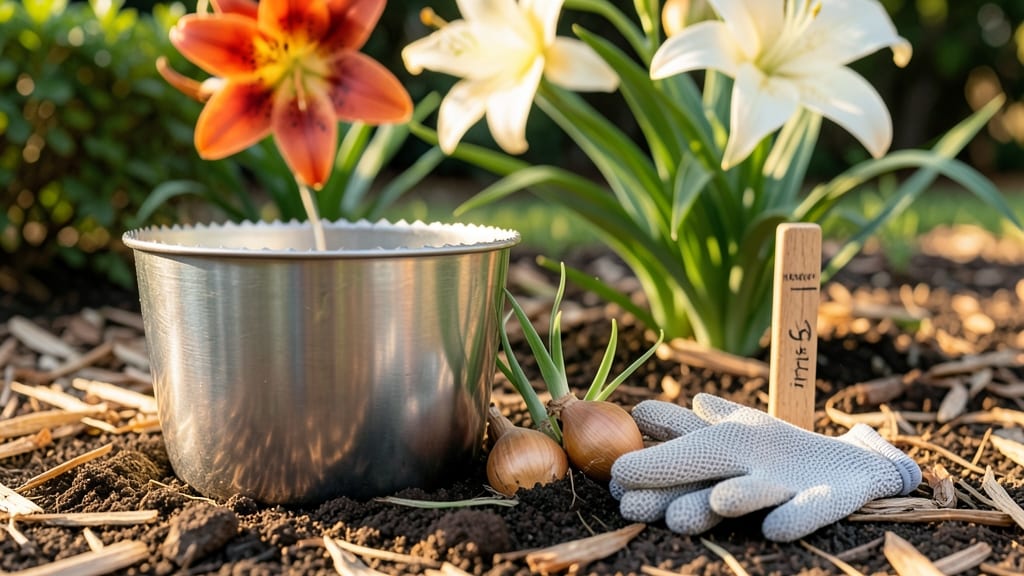
To plant lily bulbs in your garden at the perfect time means stunning summer blooms—and avoiding the heartbreak of rot or stunted growth.
Picture this: you’ve just dug a hole in October, only to watch your bulbs wither before winter even arrives. Or worse, you plant too late, and the heat zaps their energy before they bloom.
Timing is everything, and getting it right can turn a 6-inch bulb into a 6-foot showstopper by June.
Most gardeners in USDA Zone 6a (like me!) know fall is the golden window—October to November—but the exact date depends on your last frost.
Plant too early, and the bulbs rot; too late, and they won’t root before winter. I’ll break down the frost-free math so you never guess again.
You’ll also discover how to spot the perfect bulb (firm, not shriveled), the 3-step soil prep that prevents rot, and why some lilies beg for a second planting in spring. Let’s get those 🌸 dreams in the ground the right way.
Best planting months for lily bulbs by USDA hardiness zones
Planting lily bulbs at the right time ensures strong root development and vibrant blooms. Since lilies thrive in cool fall temperatures or early spring warmth, timing depends on your USDA hardiness zone and frost dates.
In colder zones (3-5), aim for fall planting to establish roots before winter, while warmer zones (6-7) offer flexibility for spring or fall planting. The key is giving bulbs 4-6 weeks to root before extreme heat or frost arrives.
For zones 3-5, the ideal window is late September to early November, allowing roots to grow before the ground freezes.
In zones 6-7, you can plant as early as late August or as late as early December, but avoid planting when soil temperatures exceed 80°F—this stresses bulbs and causes rot. Always check your last frost date and plant 6-8 weeks before the first hard freeze.
| USDA Zone | Best Planting Month | Key Timing Rule | Soil Temp Goal | Notes |
|---|---|---|---|---|
| 3-4 | Late September - Early October | 6-8 weeks before first frost | 50-60°F | Use mulch after planting |
| 5 | Mid-September - Mid-November | 4-6 weeks before frost | 55-65°F | Avoid planting if soil is too wet |
| 6 | Late August - December | Soil temp <80°F | 60-70°F | Spring planting works for tender lilies |
| 7 | September - January | Avoid summer heat | 65-75°F | Winter planting possible in mild climates |
In zone 3-4, where winters are harsh, focus on fall planting between late September and early October. The goal is to give bulbs time to establish roots before the ground freezes—aim for a soil temperature of 50-60°F.
Use organic mulch after planting to insulate bulbs during winter. For zone 5, extend your window to mid-September through mid-November, but avoid planting if the soil stays waterlogged—this causes bulb rot.
Gardeners in zone 6 enjoy flexibility, as they can plant from late August through December, provided soil temperatures stay below 80°F. This zone allows for spring planting of tender lilies, like Stargazer lilies, which prefer warmth.
For zone 7, where winters are mild, you can even plant in January, but avoid the hottest summer months (June-August) to prevent stress. Always test soil moisture before planting—bulbs need well-draining soil to thrive.
One common mistake is planting too early in warm zones, which can cause bulbs to sprout prematurely and get fried by summer heat. Conversely, planting too late in cold zones risks bulbs not establishing roots before frost.
To avoid this, use a soil thermometer to confirm temperatures are ideal. For example, in zone 6, if soil temps hit 85°F in September, wait until October to plant.
Pro tip: Mark your planting calendar with your last frost date and count backward 6-8 weeks for fall planting. For spring planting in zones 6-7, wait until soil warms to 60°F and the danger of frost has passed.
This ensures your lilies get a strong start. If you’re unsure about your zone, check the USDA Plant Hardiness Zone Map or use a local cooperative extension office for guidance.
Remember, lilies are perennial plants, meaning they’ll return year after year if cared for properly. By planting at the right time, you’ll set the stage for years of stunning blooms with minimal effort.
Once planted, keep the soil moist but not soggy and fertilize lightly in spring to encourage healthy growth. With the right timing, your lilies will reward you with show-stopping
How to time lily bulb planting for year-round blooms
Most gardeners focus on fall planting for lilies, but the secret to year-round blooms lies in strategic timing. By planting different varieties at the right times, you can stretch your 🌸 lily season from early summer through late fall.
The key? Understanding each variety’s dormancy cycle and matching it to your climate’s frost-free window.
For example, Asiatic lilies thrive when planted in early fall (September-October), while Oriental lilies need a cooler spring start (March-April). Even daylilies (Hemerocallis), often mistaken for true lilies, follow a different schedule—planting them in spring or early fall ensures they don’t rot over winter.
I’ve planted all three in my Zone 6a garden, and the difference in bloom timing is night and day.
- 1
- 2
- 3
- 4
Best for hardy varieties like Asiatic and Trumpet lilies. Plant 6-8 weeks before frost so roots establish before winter. In Zone 6a, aim for mid-October.
Ideal for tender lilies (Oriental, Martagon) that need to avoid winter soil. Plant after last frost date when soil reaches 60°F. In my garden, that’s mid-April.
Extend blooms by planting late-season varieties like Stargazer lilies. Use container growing in hot zones to prevent soil overheating. Water deeply twice weekly until roots establish.
Planting too early (before soil cools) causes rot. Planting too late (after first frost) stunts growth. Use a soil thermometer—ideal temps are 50-60°F for fall planting.
Pro tip: If you live in a warmer zone (7-10), you can plant lilies in late winter (February) for an earlier bloom. Just mulch heavily to retain moisture. I tested this with Calla lilies last year, and they bloomed 3 weeks earlier than my fall-planted batch!
For container gardeners, timing matters even more. Plant in late spring (May) when roots can warm up quickly. Use a fast-draining mix with perlite to prevent soggy soil. My balcony Oriental lilies in pots bloomed two weeks later than in-ground plants—proof that timing adjusts for growing conditions.
Finally, don’t forget to mark your calendar for next year! Write down your first frost date, last frost date, and the exact planting dates that worked. I keep a gardening journal with these notes—it’s saved me from repeating mistakes like planting daylilies in November (oops!).