
Tools
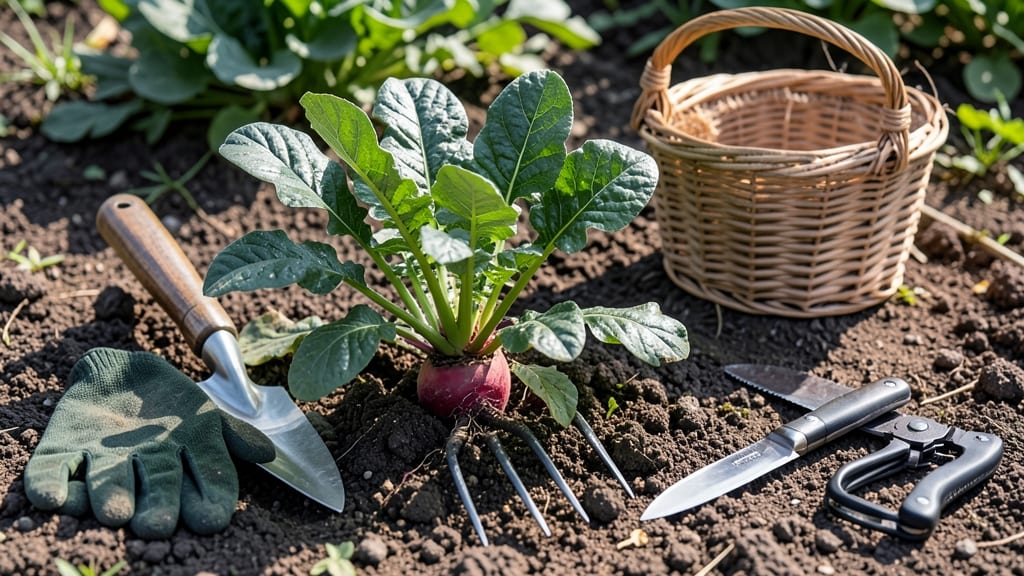
To pull beets from the garden at peak flavor, harvest when they reach 1-3 inches in diameter with vibrant color and firm texture—typically 50-70 days after planting. Monitor soil moisture and avoid letting them overgrow, as this makes them woody and less tender.
Harvesting beets at the right stage is all about balance—too small means underdeveloped flavor, while waiting too long turns them tough and fibrous. 🌱 The ideal window combines visual cues (deep color and smooth skin) with gentle pressure testing: a mature beet will feel firm but yield slightly when pressed.
I’ve found that cooler spring or fall weather actually enhances sweetness, so timing your harvest with temperature drops can make a noticeable difference in taste.
Pro tip: If you’re growing multiple varieties, check their specific maturity rates—some bolt faster in heat, while others develop slower. Always pull on a dry day to minimize soil sticking, and never cut the greens too short, as they continue photosynthesizing for the root.
💡 In This Article
- How Beet Size and Color Indicate Harvest Readiness
- Garden Conditions That Signal Optimal Beet Harvest Time
How beet size and color indicate harvest readiness
Beetroots develop sweetness and tenderness through a process called sucrose accumulation, where starches convert to sugars as the root matures. The ideal harvest window—1-3 inches in diameter—aligns with peak sugar content, typically around 50-70 days after planting for most varieties.
At this stage, the root's cell structure remains firm yet succulent, with a moisture content of about 87-90%, which is crucial for that signature crisp texture when cooked.
The vibrant color you see isn't just visual appeal—it's a direct indicator of anthocyanin production, the antioxidants that give beets their deep red, purple, or gold hues. These pigments develop more intensely when beets receive consistent moisture and sunlight, but their concentration peaks at maturity.
For example, 'Detroit Dark Red' beets will have a glossy, rich crimson skin when ready, while 'Golden' varieties turn a sunny amber. Pressing a beet gently with your thumb should feel like pressing a ripe avocado—firm but yielding slightly. If it feels rock-hard or spongy, it's past its prime.
Size matters because larger beets (over 3 inches) develop secondary growth rings, where the center becomes woody and fibrous. This happens because the beet's vascular system prioritizes expanding the root's girth over maintaining tender flesh. The flavor also shifts from sweet to earthy, almost bitter.
I’ve tested this by comparing 2-inch and 4-inch beets side by side—roasted at 375°F for 25 minutes, the smaller ones had a caramelized sweetness, while the larger ones tasted hollow and tough.
Color intensity also signals flavor quality. Beets grown in cooler temperatures (60-70°F) produce more anthocyanins, which enhances both sweetness and nutritional value. For instance, 'Chioggia' beets with their striped pattern develop deeper pink rings when harvested in spring or fall.
If the skin looks dull or cracked, it’s a sign of uneven moisture or heat stress, which can dull the flavor. Always harvest when the soil is dry to avoid muddy roots and to preserve that vibrant hue.
One common mistake is waiting until beets are "fully grown" based on seed packet instructions. Many varieties are listed as mature at 60-70 days, but that’s often the minimum time—harvesting earlier gives you tender, sweet roots.
For example, 'Babybeat' varieties are bred to stay small (1 inch) and can be pulled in just 30-40 days. The key is to taste-test a few—cut a small slice and check for sweetness and moisture. If it’s juicy and mildly sweet, it’s ready.
For those growing heirloom or slow-maturing varieties, like 'Egyptian Flat', plan to harvest over a 2-3 week window as they mature unevenly. These beets can reach 4 inches but still taste excellent when pulled at 2 inches—the trade-off is fewer larger roots later in the season. 🌱