
Tools
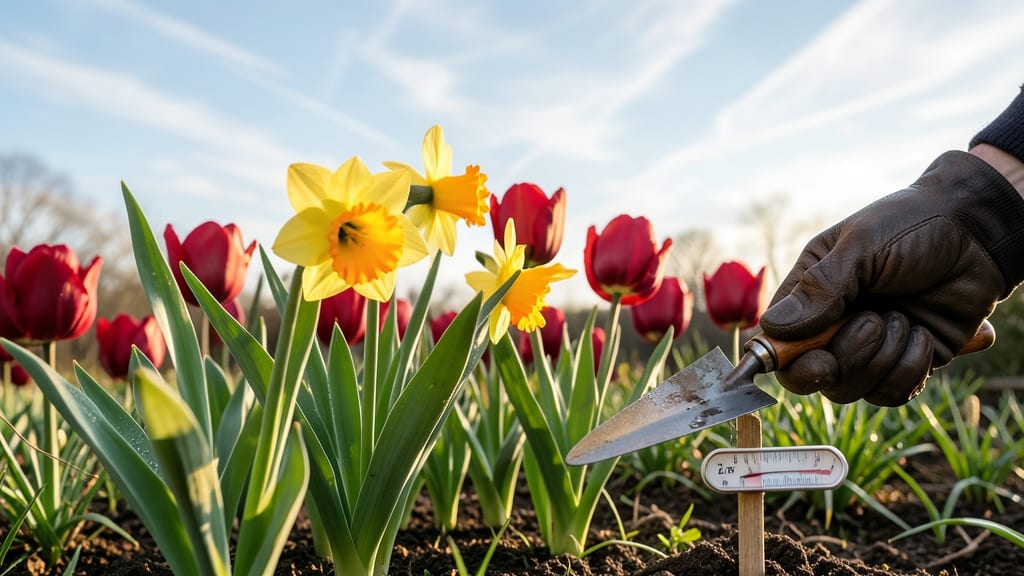
Spring garden weather creates ideal planting conditions when soil temperatures consistently stay above 60°F and frost risks diminish. Check your USDA planting zone to pinpoint the best time for warm-season crops like tomatoes and peppers.
Understanding your local climate patterns is key to successful spring planting. The USDA zone map divides regions by average minimum winter temperatures, which directly correlates with your last frost date. For example, Zone 5 gardeners typically wait until mid-May, while Zone 9 gardeners can start as early as February.
I always recommend using a soil thermometer—60°F is the magic number for warm-season plants to thrive without risking frost damage. 🌱
Beyond temperature, watch for other weather cues like consistent rainfall and leafing trees, which signal nature's readiness. Early planting mistakes—like sowing too soon—can lead to stunted growth or complete crop failure.
Pro tip: Layer your planting strategy by starting cold-hardy crops first (like peas) while protecting tender seedlings with row covers until temperatures stabilize.
💡 In This Article
- How Planting Zones Affect Spring Garden Timing
- Signs Your Spring Garden Is Ready for Planting
How planting zones affect spring garden timing
The USDA planting zone system divides North America into 13 zones based on average annual minimum winter temperatures, which directly influences your spring planting window.
For instance, Zone 3 (coldest) has last frost dates as late as June 10, while Zone 10 (warmest) rarely sees frost after January 31.
This 300-day difference in frost-free periods explains why Zone 3 gardeners wait until late May for tomatoes, while Zone 10 gardeners plant them in February. The system works because cold-hardy plants like broccoli can tolerate 28°F soils, while tender crops like basil need 70°F+ soil to thrive.
Here's how zones translate to spring timing: Each zone represents a 10°F range (e.g., Zone 5: -15°F to -10°F winters), which correlates to roughly 2-3 weeks difference in frost dates between adjacent zones.
For example, Zone 6's last frost typically occurs 2 weeks earlier than Zone 5's. This is why your local cooperative extension office provides zone-specific planting calendars—because a 10°F temperature difference changes everything from soil warming rates to plant maturity timelines. 🌡️
Zone maps also reveal microclimates within regions. A south-facing slope in Zone 6 might warm 5-7 days earlier than a north-facing lowland, creating localized planting opportunities.
This is why gardeners in transitional zones (like Zone 7) often use row covers to extend early planting by 2-3 weeks—creating artificial warmth that mimics Zone 8 conditions. The key is understanding how your specific microclimate interacts with the broader zone averages.
For vegetables, zone differences determine which crops you can grow. In Zone 4, cool-season crops like lettuce thrive from March 15 onward, while warm-season crops like cucumbers wait until May 15. But in Zone 8, you can plant both simultaneously.
This is why zone maps include first frost dates and last frost dates—knowing your frost-free period (typically 120-240 days depending on zone) helps you select plants with matching maturity times. 🌱
Advanced gardeners use zone data to calculate heat units—a measure of accumulated warmth needed for plants to mature. For example, tomatoes require 800-1,200 heat units, while peppers need 1,200-1,500.
Zone 5 gardeners might need to start tomatoes indoors 6-8 weeks before their last frost date to accumulate enough heat, while Zone 9 gardeners can direct-sow with minimal delay. This precision timing is why zone maps include both planting dates and harvest windows for common crops.
The zone system isn't perfect—it's based on historical averages, not real-time conditions. That's why combining zone data with local weather forecasts and soil temperature readings gives you the most accurate planting timeline.
For instance, a Zone 7 garden might experience an early frost in April, delaying planting by 3-4 weeks even if the zone map suggests earlier dates. Always verify with 30-day forecasts and soil thermometers before committing to planting. ✨