
Fertilization
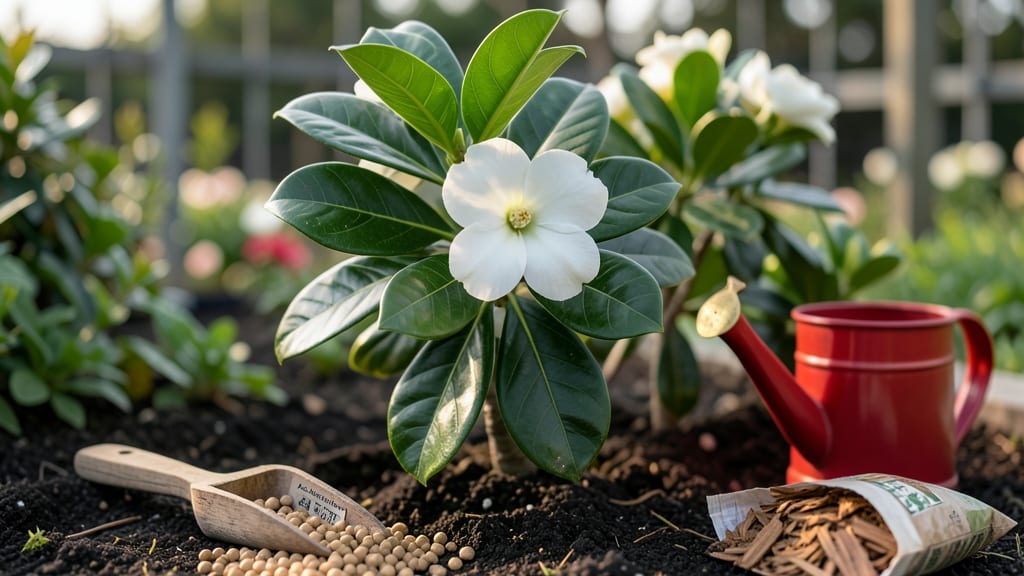
To fertilize gardenias at the right time means feeding them in early spring and late summer—just when they’re gearing up for their most dramatic blooms.
Struggling to get your gardenias to bloom as beautifully as they should? Timing your fertilization correctly is the secret weapon most gardeners overlook—and it could transform your plant’s health overnight.
In USDA Zone 6, where gardenias thrive with just a little extra care, the key is feeding them lightly in March to wake up their roots, then again in April and May as they prepare for their peak flowering season.
Too much fertilizer too soon can burn their delicate roots, while skipping it entirely means fewer of those iconic 🌸 blooms.
Below, I’ll walk you through the exact schedule, the best fertilizers to use, and how to spot when you’ve overdone it—so you can enjoy gardenias that bloom like clockwork, year after year.

Best fertilization schedule for gardenias: spring vs fall timing explained
If your gardenias look lush one year but barely bloom the next, timing might be the culprit. Gardenias thrive on seasonal fertilization, but most gardeners get this wrong by feeding at the wrong time.
The key? Aligning nutrients with their natural growth cycles—not just throwing fertilizer on them whenever you think of it.
Gardenias are acid-loving shrubs that need two critical fertilization windows: early spring and late fall. These seasons trigger root growth and bloom production in ways summer feeding simply can’t match.
But here’s the catch: USDA Zone 7-10 gardeners can push spring feeding later than those in cooler climates. Let’s break it down so you never miss a bloom again.
⚠️ NON-NEGOTIABLE: Gardenias hate summer fertilization. Heat stresses their roots, making them sensitive to salt burn from fertilizers. That’s why fall feeding is a myth—unless you’re in a mild-winter zone like Zone 10.
| Season | Best Time to Fertilize | Why It Matters | USDA Zone 7-10 Adjustments |
|---|---|---|---|
| Early Spring | March-April (after last frost) | Kickstarts root growth and bloom buds for summer. | Extend to May in Zone 9-10. |
| Late Summer | June (light feed only) | Supports new foliage but avoids stress before winter. | Skip in Zone 7-8; risk of root burn. |
| Fall | October-November (Zone 10 only) | Preps roots for winter dormancy in mild climates. | Never in Zones 7-9; promotes weak growth. |
| Winter | None (dormant period) | Plant conserves energy; fertilizing wastes nutrients. | Applies to all zones. |
Science backs this timing: Gardenias absorb nutrients most efficiently when soil temps are 55-65°F. In USDA Zone 7-10, spring soil warms faster, so you can start fertilizing 2-4 weeks earlier than in cooler zones.
For example, a Zone 9 gardenia might get its first feed in late February, while a Zone 7 plant waits until mid-April.
Here’s a pro tip: Test your soil pH before fertilizing. Gardenias crave acidic soil (5.0-6.0). If your soil is too alkaline, even the best fertilizer won’t work—roots can’t uptake nutrients. Use an iron supplement if leaves turn yellow between veins, a classic sign of chlorosis.
For potted gardenias, adjust the schedule slightly. Containers dry out faster, so feed every 3-4 weeks from spring to early summer, but cut back in August.
Over-fertilizing in pots leads to salt buildup, which is deadly for roots. Always water thoroughly after feeding to flush excess salts away.
Watch for bloom signals: If your gardenia sets buds by June, it’s ready for a light summer feed. But if buds drop off, you’ve likely over-fertilized. Stop feeding immediately and focus on deep watering to recover roots.
In USDA Zone 10, you can give a second fall feed in November to extend the blooming season into winter.
Remember: Less is more with gardenias. A balanced 10-10-10 fertilizer (or an acid-loving blend) applied sparingly works better than heavy doses. Think of fertilization as a gentle nudge, not a growth steroid. Your gardenias will reward you with fragrant blooms all season long.
🌸
How to choose the right fertilizer for gardenias (and when to apply it)
Gardenias thrive when their acid-loving roots get the right nutrients, but choosing the wrong fertilizer can stunt blooms or even kill your plant. The key lies in selecting acid-based fertilizers with balanced NPK ratios (like 10-10-10) and applying them at the right time.
I’ve learned the hard way—over-fertilizing in summer can burn roots, while skipping spring feedings means fewer fragrant blooms. Let’s break down how to pick the perfect fertilizer and when to use it for peak gardenia performance.
First, always test your soil pH before fertilizing—gardenias need acidic soil (5.0-6.0). If your soil is too alkaline, even the best fertilizer won’t work. Use a soil pH test kit (available at garden centers) or send a sample to your local extension office.
Once you confirm the pH, you can choose between organic and synthetic fertilizers, each with pros and cons. Organic options like composted pine bark or fish emulsion release nutrients slowly, while synthetic fertilizers like sulfur-coated urea provide quick results.
✅ Pros of Fertilizing Gardenias
- Spring feeding (March-May): Boosts root growth and bud formation for summer blooms.
- Acid-based fertilizers: Lower soil pH naturally, ideal for gardenias.
- Slow-release options: Reduce risk of root burn and over-fertilization.
- Iron supplements: Fixes yellowing leaves (chlorosis) quickly.
❌ Cons of Fertilizing Gardenias
- Summer feeding (June-August): Can cause root burn in extreme heat.
- Over-fertilizing: Leads to leaf drop, stunted growth, or even plant death.
- Wrong pH: Alkaline soil locks out nutrients, even with fertilizer.
- Fall/Winter feeding: Encourages tender new growth before frost.
Pro Tip: Always water gardenias thoroughly after fertilizing to help nutrients absorb and prevent root burn.
For granular fertilizers, spread a 1 tbsp per plant (spring) or ½ tbsp per plant (summer) around the root zone, then water deeply. Liquid fertilizers like fish emulsion or seaweed extract are great for quick nutrient boosts—dilute to half-strength and apply every 4-6 weeks during the growing season.
I prefer sulfur-coated urea in early spring because it releases nutrients slowly, matching the plant’s growth cycle. Avoid high-nitrogen fertilizers (like lawn fertilizers), which promote leafy growth at the expense of blooms.
Timing is everything—never fertilize in summer heat (June-August) or winter dormancy (December-February). Gardenias need nutrients when they’re actively growing, so focus on early spring (March-May) and late summer (September) for a light feeding.
In my zone 7 garden, I’ve found that April and May are the sweet spots for fertilization, right before the blooming season kicks in. Always follow the fertilizer instructions, but remember: gardenias are sensitive, so less is often more.
Watch for signs of over-fertilization, like yellowing leaves, leaf drop, or brown leaf edges. If you see these, flush the soil with water to leach out excess salts. Under-fertilized gardenias, on the other hand, will have small, sparse blooms and pale green leaves.
Adjust your feeding schedule based on these cues—your gardenias will thank you with lush foliage and fragrant blooms all season long.
One final tip: Mulch after fertilizing with pine bark or peat moss to maintain acidic soil conditions and retain moisture. This simple step can make a huge difference in how well your gardenias absorb nutrients.
With the right fertilizer and timing, your gardenias will reward you with show-stopping blooms year after year.