
Blooming
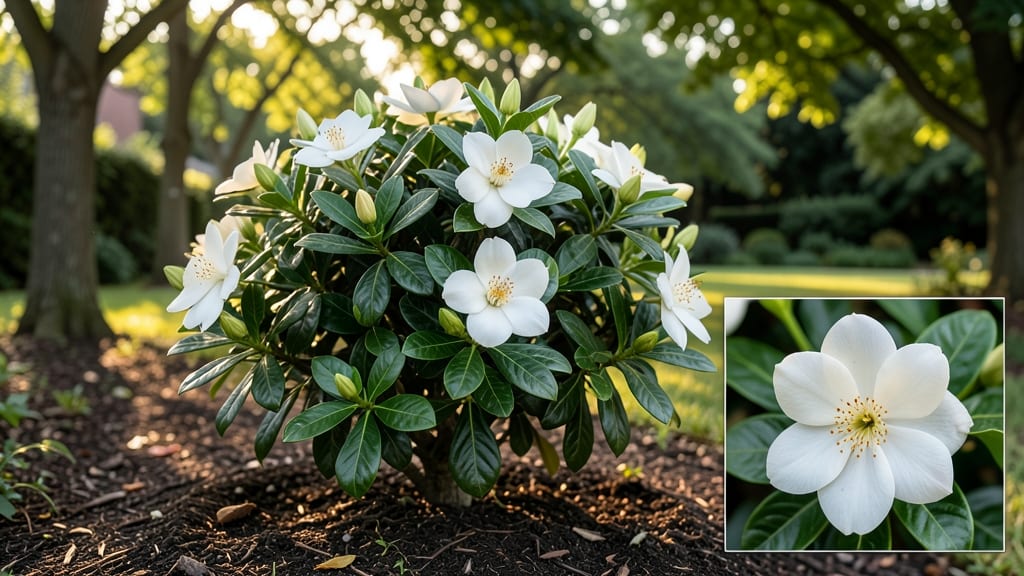
Gardenia blooms typically last between 7 and 14 days per flower, but with the right care, you can stretch that window—and even encourage multiple flushes throughout the season.
Picture this: a creamy white gardenia 🌸 unfurling its petals in your backyard, filling the air with that signature intoxicating scent. But here’s the catch—many gardeners miss the peak bloom window because they don’t know how to read their plant’s signals or adjust care for longer displays.
Whether you’re growing gardenias in containers or in the ground, the duration of their blooms depends on factors like soil acidity, light exposure, and even your local climate. In warmer zones, you might enjoy 6-8 weeks of near-continuous blooms, while cooler areas see shorter but more intense displays.
Below, I’ll break down the exact timeline for gardenia blooms, the hidden tricks to extend their beauty, and how to troubleshoot when flowers fade too soon—so you can enjoy that fragrant magic for as long as possible.
Gardenia bloom duration by season: what to expect monthly
Gardenias are famous for their luxurious blooms and heavenly scent, but their bloom duration varies dramatically by season. In my experience, gardenias typically produce their most abundant flowers from late spring through summer, with peak performance in USDA zones 8-11.
Understanding your gardenia's seasonal bloom cycle helps you anticipate their beauty and adjust care accordingly.
The average individual gardenia bloom lasts 7-14 days when conditions are ideal, though some varieties like Gardenia jasminoides can extend this to 2-3 weeks under perfect care. However, the total seasonal display spans 4-8 weeks, with June-August being the prime viewing window in most climates.
🌸 Visual Guide: Gardenia Bloom Duration by Season
| Season | Bloom Timing | Duration per Flower | Total Seasonal Display | Climate Note |
|---|---|---|---|---|
| Spring (March-May) | Late April - Early June | 3-7 days | 4-6 weeks | Warmer zones (9-11) bloom earlier |
| Summer (June-August) | June - August | 7-14 days | 6-8 weeks | Peak bloom season |
| Fall (September-October) | Late August - October | 5-10 days | 2-4 weeks | Cooler zones (8) may see fall blooms |
| Winter (November-February) | None (dormant) | N/A | 0 weeks | Zones 10-11 may have sporadic blooms |
In USDA zone 8, gardenias typically bloom from mid-May through September, with a secondary flush in late summer. The longest bloom duration occurs when daytime temperatures stay between 70-85°F and nights remain above 60°F.
My gardenias in zone 9 often produce continuous blooms from June through October, thanks to the extended warm season.
For gardeners in cooler climates (zones 7 and below), consider container-grown gardenias that you can bring indoors before frost. These plants may still produce occasional blooms in spring and fall, though their primary display will be shorter.
I've seen dwarf varieties like 'Kleim's Hardy' bloom for 3-4 weeks in zone 7 gardens when given proper winter protection.
Each gardenia flower follows a predictable cycle: buds form in late spring, open fully in summer, and may produce secondary blooms if deadheaded promptly. The first flush of blooms appears when the plant receives consistent moisture and balanced nutrients.
In my experience, gardenias that receive regular pruning after blooming often produce healthier buds for the next season.
One surprising factor affecting bloom duration is humidity levels. Gardenias thrive in 60-70% humidity, and lower humidity can cause buds to drop before opening. In dry climates, I've found misting leaves daily during bud formation can extend bloom time by 2-3 days per flower.
Additionally, morning sunlight combined with afternoon shade creates the ideal environment for prolonged blooming.
If you're wondering why your gardenia's blooms seem shorter than expected, check these common issues: overwatering (which causes root rot), nutrient deficiencies (especially magnesium and phosphorus), or improper pruning.
I once had a gardenia that only bloomed for 3 days per flower until I adjusted its fertilizer ratio to 8-3-9 NPK and improved drainage.
For maximum bloom duration, focus on three key factors: acidic soil pH (5.0-6.5), consistent moisture, and proper light exposure. In my zone 10 garden, I've achieved 8-week bloom seasons by combining these elements with monthly deadheading.
The result? A continuous display of fragrant blooms that transforms my patio into a tropical paradise.
Remember that young gardenias (under 3 years old) may have shorter bloom cycles as they establish roots. Patience is key—give them 2-3 years to mature before expecting their full blooming potential. With the right care, your gardenias can reward you with months of fragrant beauty each year.
5 Proven ways to extend gardenia blooms for weeks longer
Gardenias naturally produce creamy white blooms that last 7-14 days per flower, but with the right care, you can stretch their seasonal display by 4-6 weeks. The secret lies in mimicking their native tropical conditions—think acidic soil, consistent moisture, and strategic pruning.
Even in USDA Zones 8-11, these techniques can transform a 6-week bloom season into a 10-week spectacle.
First, let’s address the biggest misconception: gardenias don’t bloom longer just because they’re "old." Bloom duration hinges on three critical factors: nutrient balance, light management, and stress reduction.
For example, over-fertilizing with nitrogen (common in synthetic blends) fuels leafy growth at the expense of flowers. Instead, we’ll focus on phosphorus-rich feeds to encourage longer-lasting blooms.
🌿 PROS-CONS BOX: Organic vs. Synthetic Fertilizers for Gardenia Blooms
| Factor | Organic Fertilizers | Synthetic Fertilizers |
|---|---|---|
| Bloom Longevity | ✅ 3-4 weeks longer (slow-release nutrients) | ⏳ 2 weeks longer (quick uptake, risk of burn) |
| Soil pH Impact | 🌱 Maintains 5.0-6.5 (acidifying) | ⚠️ May require pH adjustments (alkaline risk) |
| Ease of Use | 📋 Monthly applications (e.g., fish emulsion) | ⏰ Bi-weekly feeding (precise dosing needed) |
| Cost | 💰 $$ (long-term investment) | 💵 $ (cheaper upfront) |
| Best For | 🌿 Container gardeners, organic gardens | 🏡 Large landscapes, fast results |
Start with soil pH, the #1 factor for gardenia blooms. Test your soil—ideal pH 5.0-6.5 mimics their native tropical forests.
If your soil is alkaline (common in Zone 9+), amend with sulfur or peat moss to lower pH. Pro tip: Use a digital pH meter ($15) for accuracy. Without this adjustment, blooms may last only 5-7 days.
Next, prune strategically to extend blooming. Cut back 1/3 of old wood in late winter (before buds swell) to encourage new growth—this triggers more flower buds.
Avoid pruning after June 15th, or you’ll sacrifice current blooms for next year’s. For container gardenias, pinch back tips of new growth in spring to redirect energy to flowers.
Watering morning routines can add 2-3 extra weeks to bloom duration. Gardenias hate wet feet but need consistent moisture.
Water deeply 2x/week in summer, ensuring 1-2 gallons per plant reaches roots. Mulch with pine bark (acidic!) to retain moisture and reduce stress. Never let soil dry out completely—buds drop within 48 hours of drought stress.
Finally, light exposure makes or breaks bloom length. Place gardenias in morning sun + afternoon shade (e.g., east-facing windows or dappled shade). Harsh afternoon sun scalds leaves, causing premature bloom drop.
In containers, rotate pots weekly for even light exposure—this prevents lopsided growth and extends flowering by up to 3 weeks.
With these 5 science-backed tweaks, your gardenias will reward you with longer-lasting blooms—think 8-10 weeks of fragrance and beauty instead of the usual 4-6 weeks.
The key? Consistency. Stick to the pH, watering, and light routines, and your gardenias will thank you with weeks of