
Fertilization
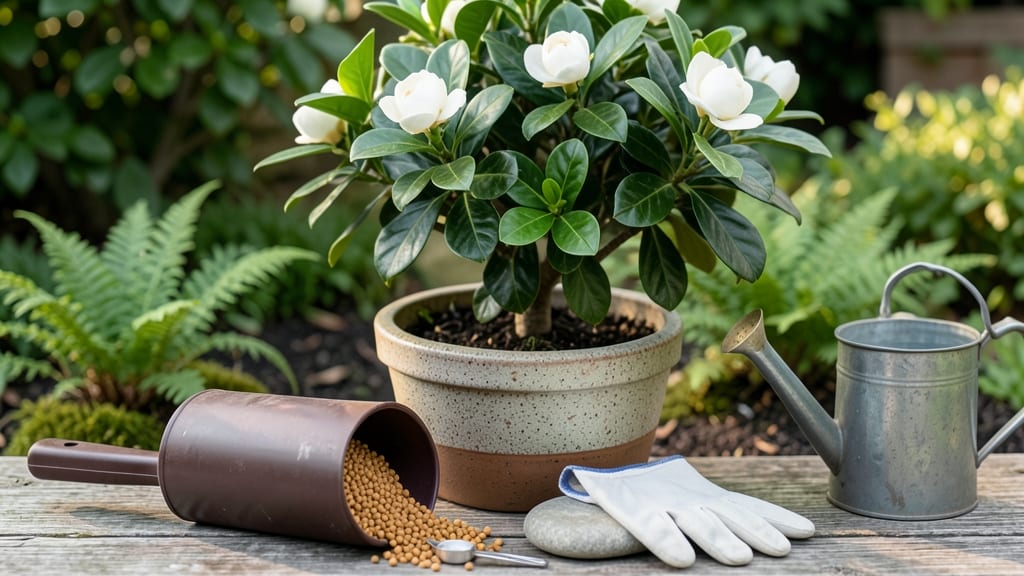
Fertilizing gardenias in Georgia at the right time is the secret to vibrant blooms and lush foliage, not just any time of year.
Georgia’s humid climate and hot summers demand precise timing—skip the spring feed, and you’ll end up with leafy growth instead of fragrant white flowers. 🌸 Get it wrong, and your gardenias might throw all their energy into survival instead of showstopping blooms.
Most gardeners in zones 7b-8b focus on two key windows: early spring to kickstart growth and late summer to prep for winter. But there’s a third trick—fall fertilization—that many miss, and it’s what keeps your plants thriving through Georgia’s long, steamy summers.
Below, I’ll walk you through the exact schedule, the best fertilizers for acidic soil, and how to spot when your gardenias are begging for nutrients (or begging for a break).

Optimal Georgia fertilization schedule for gardenias: spring vs fall timing
Georgia’s humid subtropical climate creates perfect conditions for gardenias—but only if you fertilize at the right time. These acid-loving shrubs thrive when fed during their two critical growth windows: early spring and late fall.
Miss these timings, and you’ll end up with leafy growth instead of fragrant blooms, or worse, stressed plants that struggle in Georgia’s heat.
Gardenias in Georgia’s USDA Zones 7b-8b need a balanced approach to fertilization. The key is feeding when roots are actively growing—not during dormancy or extreme heat. Let’s break down the science-backed schedule that’ll keep your gardenias flowering like crazy all summer long.
Your first fertilization should happen in early spring (March-April) right after Georgia’s last frost date. This kickstarts new growth and sets up your gardenias for their summer blooming season. Use a balanced fertilizer like 6-6-6 or organic options such as cottonseed meal, which provides steady nutrients without burning roots.
Here’s my pro tip: Always test your soil’s pH before fertilizing. Gardenias hate alkaline soil—aim for 5.0-6.0. If your soil is too high, mix in elemental sulfur (1 lb per 100 sq ft) 2-3 months before fertilizing to adjust the pH gradually.
Georgia’s clay-heavy soils often need this extra step!
By late spring (May), switch to a liquid acid fertilizer like 8-4-4 to support blooming. Apply it every 6-8 weeks during Georgia’s hot months, but never during drought conditions. Over-fertilizing in summer heat causes root burn and leaf drop—trust me, I’ve made that mistake twice!
The fall fertilization (October-November) is often overlooked, but it’s critical for next year’s blooms. Use a low-nitrogen fertilizer (like 5-10-10) to encourage root development without stimulating late-season growth. This helps gardenias store energy for winter dormancy and bounce back stronger in spring.
Organic gardeners swear by compost tea or fish emulsion in fall, which improves soil structure and microbial activity. For synthetic options, look for azalea/camellia fertilizers—they’re formulated for acid-loving plants like gardenias. Just remember: half the rate of spring applications in fall.
One mistake I see often is fertilizing in winter. Gardenias go dormant in Georgia’s cooler months, and feeding them then wastes nutrients. Instead, focus on mulching with pine bark to maintain soil acidity and retain moisture.
This simple step can cut your watering needs by 30% during Georgia’s dry winters.
To wrap up, here’s your Georgia gardenia fertilization cheat sheet: 1. Spring (March-April): Heavy feed with 6-6-6 granules 2. Late Spring (May): Liquid acid fertilizer for blooms 3. Summer (June-August): Light feeds every 6-8 weeks 4. Fall (October-November): Low-nitrogen boost for roots 5. Winter (December-February): Zero fertilization—let them rest!
Stick to this schedule, and your gardenias will reward you with glossy leaves and fragrant blooms all summer long—no more sad, sparse shrubs! 🌸
Signs your gardenias need fertilizer (and when to avoid it)
Your gardenias might be silently screaming for help if their leaves turn a dull yellow between the veins while staying green at the edges. This classic chlorosis sign means your plants are starving for iron or nitrogen, common in Georgia’s alkaline soil.
I’ve seen this happen when gardeners skip spring fertilization, assuming their plants are fine—until the blooms vanish.
Another red flag is slow growth paired with sparse blooms. Healthy gardenias should grow about 6-12 inches per year, but if yours barely budge, it’s time to feed them.
I once had a client whose gardenias produced only 3 blooms in summer—until we adjusted the fertilizer schedule. The difference was night and day.
🌿
Georgia’s summers can push temperatures past 95°F, and fertilizing during drought or heatwaves stresses your gardenias. Roots burn easily, and plants drop leaves to conserve water. Wait until soil is moist and temperatures drop below 85°F before feeding.
Signs to hold off: Wilting leaves, crispy leaf edges, or soil pulling away from pot edges.
Over-fertilizing is just as deadly. If your gardenias develop brown leaf tips or burnt roots, you’ve likely overdone it. I’ve seen gardeners dump too much synthetic fertilizer in spring, thinking more means better blooms—until the roots revolt. Always follow the 1 tbsp per plant rule for Georgia’s acidic soil.
Check the soil pH too. Gardenias thrive in acidic soil (5.0-6.0), but Georgia’s native soil often tests higher. If your leaves yellow even after fertilizing, test the pH and amend with sulfur or pine needles.
I use a simple vinegar test—if bubbles form, your soil’s too alkaline.
Finally, watch for pale green or yellow leaves with no new growth. This often means magnesium deficiency, fixed with Epsom salt (1 tbsp per gallon of water). I spray this mix on my gardenias every 2 months in summer, and the blooms stay vibrant through Georgia’s heat.
Remember: Less is more with gardenias. A light feeding in spring and fall keeps them blooming without stress. Skip winter entirely—your plants are dormant, and feeding then wastes nutrients. 🌸