
Tools
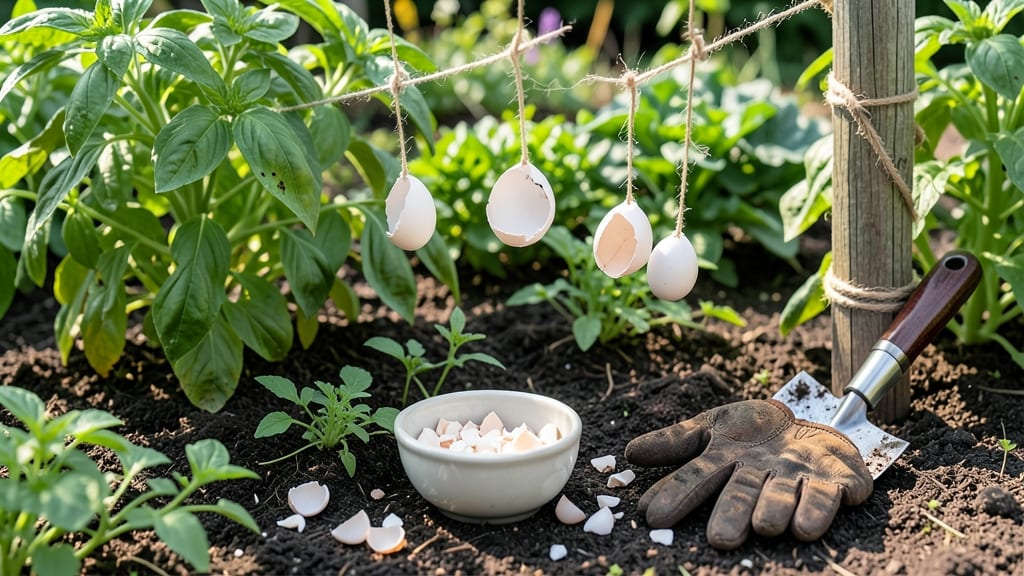
Hanging eggshells in your garden creates a natural pest deterrent that repels slugs and snails with jagged edges while gradually enriching soil with calcium and essential minerals as they decompose. This dual-purpose method offers an eco-friendly alternative to chemical treatments.
This simple yet effective technique works because slugs and snails avoid sharp surfaces that can damage their soft bodies, while the calcium-rich composition strengthens plant cell walls. 🌱 Over time, the broken-down shells release nutrients that improve soil structure and support healthier root systems.
I've found that combining this method with companion planting—like surrounding vulnerable plants with garlic or thyme—enhances pest protection even further.
The best part? You're not just fighting pests—you're building better soil. When eggshells break down completely, they leave behind a slow-release fertilizer that mimics natural composting.
For maximum effectiveness, hang whole shells near problem areas or crush them into the soil around plants that slugs and snails commonly target, like lettuce or hostas.
💡 In This Article
- How Eggshells Deter Garden Pests Naturally
- Maximizing Eggshell Benefits: Preparation and Placement Tips
How eggshells deter garden pests naturally
The sharp, jagged edges of dried eggshells create a physical barrier that slugs and snails instinctively avoid. These pests have delicate, soft bodies that can't navigate rough surfaces without risking injury.
When shells are hung near vulnerable plants like lettuce or hostas, the uneven texture acts like a natural moat—similar to how diatomaceous earth works, but without the fine powder that can harm beneficial insects. 🔥
Beyond the physical deterrent, eggshells contain approximately 95% calcium carbonate, which repels certain insects when present in high concentrations. The mineral disrupts the chemical signals that pests use to locate food sources, particularly for soft-bodied insects like aphids.
Studies show that calcium-rich environments create an inhospitable zone for these pests, forcing them to seek out softer, more vulnerable plants elsewhere in your garden.
What makes this method particularly effective is how it combines immediate pest control with long-term soil improvement. As shells decompose—typically taking 6-12 months depending on climate—they release not just calcium but also trace minerals like magnesium and phosphorus.
These nutrients strengthen plant cell walls, making them less appealing to chewing insects and more resilient to pest attacks. This dual-action approach makes eggshells one of nature's most versatile garden tools.
The calcium content also plays a subtle role in altering soil pH slightly toward the alkaline side, which many garden pests dislike. Unlike chemical repellents that can harm beneficial organisms, eggshells work through purely physical and nutritional mechanisms.
For example, while slug pellets might kill indiscriminately, eggshells simply make your garden less inviting to pests without collateral damage to earthworms or ladybugs.
Consider this comparison: Chemical slug baits often require reapplication every 2-4 weeks and can leave toxic residues, whereas eggshells provide continuous protection as long as they remain intact. The decomposition process also creates a slow-release fertilizer effect, unlike synthetic granules that wash away quickly.
This makes eggshells a sustainable choice for organic gardeners who prioritize long-term ecosystem health over quick fixes.
For maximum pest deterrence, hang shells in areas where slugs and snails commonly travel—near plant bases or along garden edges. The visual presence alone often discourages pests from venturing closer, creating a passive defense system that requires no maintenance once properly installed. 🌱