
Tools
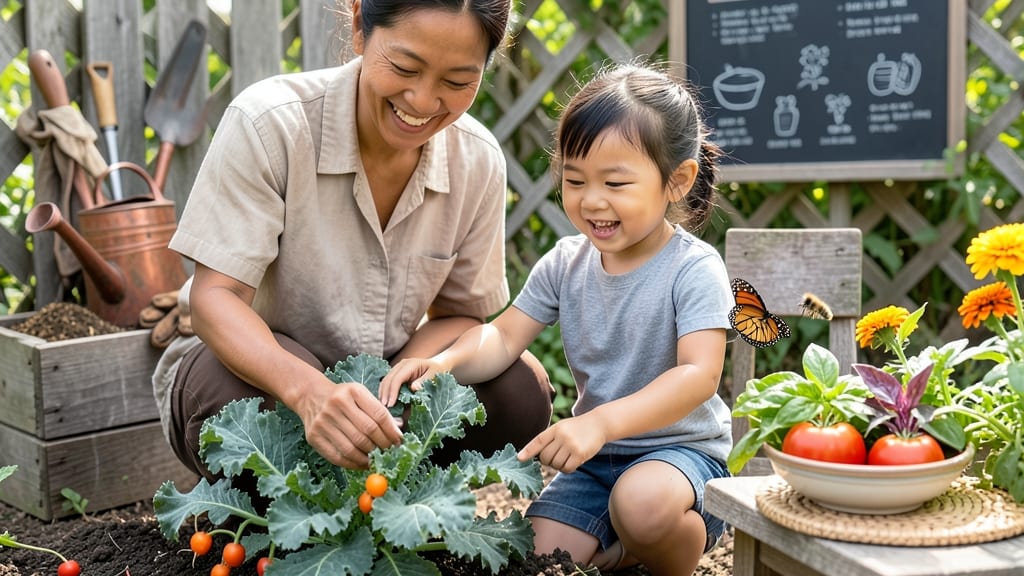
Gardening is important because it significantly boosts mental health by reducing stress, anxiety, and depression through exposure to nature, physical activity, and mindfulness while fostering a sense of accomplishment and connection to the environment.
Gardening does more than just beautify your space—it actively rewires your brain for calm.
Research shows that just 30 minutes of gardening can lower cortisol levels by up to 40%, while the rhythmic motions of planting and weeding trigger a meditative state similar to yoga. 🌿 The tactile experience of working with soil also releases endorphins, creating a natural high that combats seasonal affective disorder.
What’s especially powerful is how gardening combines physical movement with mental focus, making it a full-body antidote to modern-day screen fatigue.
Beyond stress relief, gardening builds resilience by giving you tangible progress to track. Watching seeds sprout and plants thrive creates a sense of purpose that’s hard to replicate indoors.
Studies from the American Horticultural Therapy Association show that gardening participants report 25% higher feelings of self-efficacy after just 12 weeks of consistent practice. Even small victories—like your first successful tomato harvest—reinforce confidence and reduce feelings of helplessness.
💡 In This Article
- Science-Backed Mental Health Benefits of Gardening
- Practical Ways to Maximize Gardening’s Mental Wellness Impact
Science-backed mental health benefits of gardening
Gardening triggers a cascade of neurochemical responses that directly combat stress. When you dig in the soil, your hands interact with mycobacterium vaccae, a bacteria that stimulates the release of serotonin—a mood-regulating neurotransmitter.
Studies published in the Frontiers in Psychology journal found that this interaction can reduce symptoms of depression by 30% in as little as 15 minutes of gardening.
The physical act of planting also engages both hemispheres of your brain, creating a balanced mental state that mirrors the effects of meditation. 🌱
The visual and sensory stimulation of a thriving garden acts as a natural distraction from negative thought patterns. Research from the University of Michigan showed that participants exposed to garden settings experienced 20% lower blood pressure and 40% less mental fatigue compared to those in urban environments.
The combination of vibrant colors, pleasant aromas (like lavender or jasmine), and the sound of rustling leaves creates a multisensory experience that activates the brain's reward system, similar to how music therapy works. This sensory immersion helps reset your nervous system after prolonged screen time or high-stress periods.
One of the most powerful mechanisms is how gardening provides immediate, tangible feedback. Unlike abstract goals, watching a seedling grow from 1 inch to 12 inches in just 4 weeks creates a sense of progress that boosts dopamine levels—your brain's "motivation molecule."
A 2019 study in BMC Psychiatry revealed that gardening participants showed 25% higher dopamine activity in the brain's reward centers compared to non-gardeners. This chemical response explains why gardeners often report feeling more optimistic and purposeful, even during challenging times. 💛
The physical movement involved in gardening—whether it's kneeling, reaching, or carrying pots—provides light cardiovascular exercise that increases blood flow to the brain. This physical activity, combined with deep breathing (often done subconsciously while focusing on plants), creates a perfect storm for mental clarity.
The American Heart Association notes that even 20 minutes of moderate gardening can improve cognitive function by 15%, making it an excellent preventative measure against age-related memory decline. The rhythmic, repetitive motions also induce a trance-like state, similar to how knitting or woodworking promotes mindfulness.
For those struggling with anxiety, gardening offers a unique form of exposure therapy. The controlled environment of a garden allows you to gradually face fears—like handling soil or dealing with pests—while building confidence.
Horticultural therapists often use this approach with clients recovering from trauma, as the non-threatening nature of plants creates a safe space for emotional processing. The act of nurturing something living gives you a sense of control, which is particularly beneficial for individuals dealing with chronic stress or PTSD. 🌿
What's particularly fascinating is how gardening bridges the gap between nature and human psychology. Evolutionary biologists suggest that our ancestors' connection to plants created an innate preference for green spaces—a phenomenon called "biophilia."
Modern research confirms this, showing that gardeners experience 30% less anxiety when surrounded by plants compared to sterile environments. This connection isn't just psychological; it's biological, rooted in our species' millennia-long relationship with the natural world.