
Pests
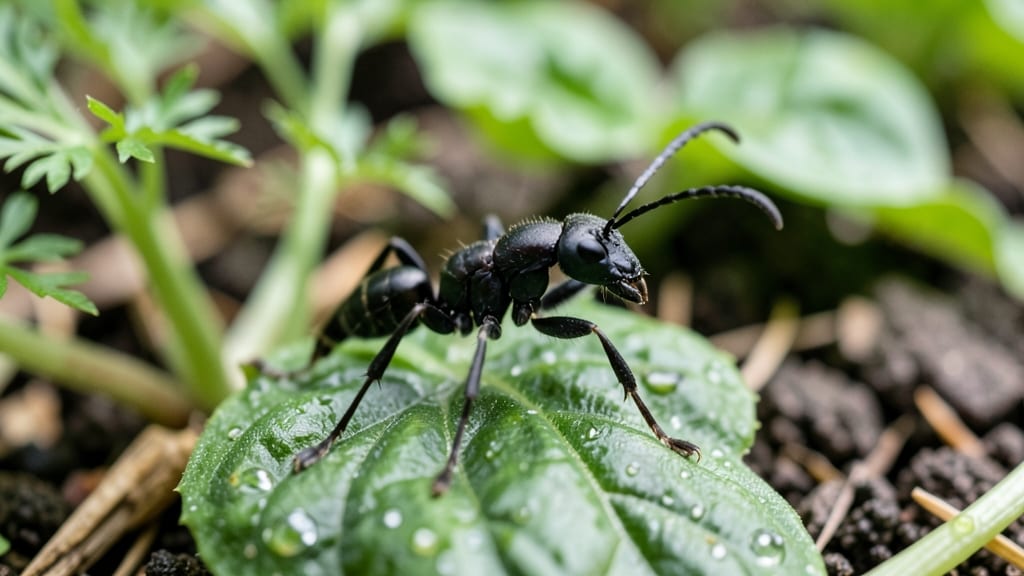
Whether ants hurt your garden depends on the species: some protect plants by eating pests like aphids, while others damage roots, harvest seeds, or encourage harmful insects. Observe their behavior to determine if intervention is needed.
Not all ants are garden villains—some actually work as natural pest controllers. 🔥 For example, harvester ants target caterpillars and beetles, reducing damage to your plants. However, species like Argentine ants create "farms" of aphids, protecting them in exchange for sugary honeydew that weakens your plants.
Carpenter ants, meanwhile, tunnel into wood structures, compromising fence posts and garden beds over time. The key is identifying their trails and nesting spots to decide whether to encourage beneficial species or implement targeted control.
If you notice trails leading to your prized plants, act quickly. Organic solutions like diatomaceous earth or vinegar sprays disrupt their foraging patterns without harming beneficial insects. For persistent infestations, bait stations with borax or peanut butter work better than sprays, as they target the colony.
Remember: ants rarely harm plants directly—the real damage comes from their indirect relationships with pests and structural decay.
💡 In This Article
- How Different Ant Species Affect Garden Plants
- Natural Ways to Manage Ants in Your Garden
How different ant species affect garden plants
Ants aren't all created equal in your garden—some act as tiny, four-legged gardeners while others play the role of unwelcome pests. 🔥 Harvester ants, for instance, are the good guys: they dig deep tunnels to hunt for grubs, caterpillars, and beetle larvae, which means fewer pests chewing on your plants.
Their mounds also aerate the soil, improving drainage for roots. In contrast, Argentine ants create "supercolonies" that protect aphids, mealybugs, and scale insects in exchange for their sugary secretions, effectively turning your plants into pest buffets.
The damage varies by species, but the real trouble often comes indirectly.
Carpenter ants, for example, don't eat plants—they tunnel into wooden structures like fence posts, deck frames, and even tree bark, weakening support systems over time. 🌟 Meanwhile, fire ants release formic acid when disturbed, which can burn plant tissue and create entry points for fungal infections.
Even "harmless" ants like pavement ants can become nuisances by contaminating produce with their foraging trails, making harvests less appealing for consumption.
What you'll notice first are their trails—tiny, steady lines leading to food sources.
Harvester ants create broad, meandering paths, while Argentine ants form tight, organized columns that seem to appear overnight. 💫 Carpenter ants often leave behind sawdust-like frass near wood structures, while fire ants build distinctive mound nests that can reach 18 inches in diameter.
Pay attention to these visual clues: they'll tell you whether you're dealing with helpful allies or problematic invaders.
Seasonal behavior also plays a role in their impact. In spring and summer, ant populations explode as they forage aggressively for food to feed their colonies.
This is when you're most likely to see them tending aphids or stripping seeds from young plants. 🌱 During cooler months, many species become less active, but fire ants remain a year-round threat in warmer climates. Understanding these patterns helps you time interventions—like applying organic repellents—when they're most vulnerable.
Here's what actually happens beneath the surface: ants communicate through pheromone trails, which is why interrupting these paths (with barriers like cinnamon or chalk lines) can redirect their foraging.
However, this approach only works for species that rely on scent markers—like Argentine ants—while others, like carpenter ants, may ignore these tactics entirely. 💡 The key is matching your control method to the species' specific behaviors and weaknesses.