
Pests
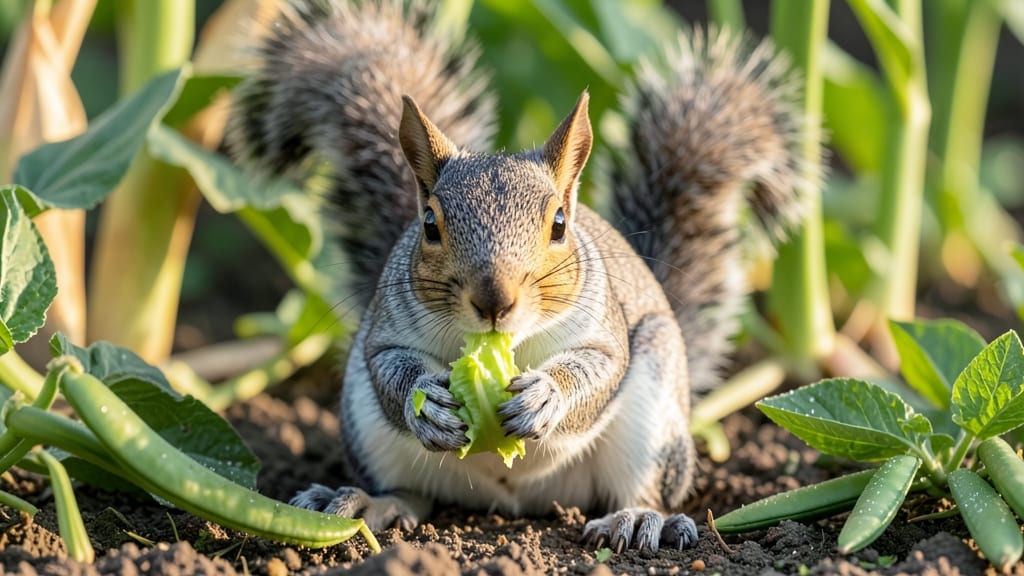
Squirrels will eat almost any garden plants you grow, particularly vegetables, fruits, seeds, and young shoots—but they completely avoid strongly scented, toxic, or bitter-tasting varieties like lavender, daffodils, and marigolds. To protect your garden, use repellents, install barriers, or plant squirrel-deterrent companions.
If your garden contains common favorites like tomatoes, corn, or lettuce, squirrels will see them as an all-you-can-eat buffet. 🐿️ These rodents are opportunistic foragers, drawn to high-calorie, easy-to-access foods—especially when natural sources like nuts or berries are scarce. The good news?
Their preferences create clear patterns: they’ll ignore herbs like rosemary or thyme, and even some flowers like daffodils (which contain toxic alkaloids). The key to squirrel-proofing your garden lies in understanding these behavioral quirks and leveraging their natural avoidance of strong smells or bitter compounds.
For immediate protection, consider physical barriers like chicken wire around vulnerable plants or natural repellents such as cayenne pepper sprays. I’ve found that planting companion herbs like mint or garlic around high-risk crops creates a sensory deterrent that works almost as well as commercial solutions.
The goal isn’t just to chase squirrels away—it’s to make your garden less appealing than their next-door neighbor’s.
💡 In This Article
- Why Squirrels Target Certain Garden Plants
- Natural Squirrel Deterrents for Your Garden
Why squirrels target certain garden plants
Squirrels are drawn to garden plants based on three key factors: nutritional value, ease of access, and scent. Their diet in the wild consists of high-fat, high-carbohydrate foods like nuts, seeds, and fruits—so anything resembling these becomes a target.
For example, a ripe tomato (which contains about 4% sugar) triggers their foraging instincts just as effectively as an acorn. 🌱 The texture also matters: squirrels prefer tender, young shoots over mature, fibrous leaves because they’re easier to chew and digest.
Scent plays a surprisingly large role in their decision-making. Squirrels have an exceptional sense of smell, with olfactory receptors that can detect volatile organic compounds (VOCs) in plants. Highly aromatic herbs like basil or oregano emit strong VOCs that mask the scent of nearby vulnerable crops, effectively camouflaging them.
Conversely, plants with bitter or toxic compounds (such as daffodils or foxglove) contain chemical defenses that squirrels instinctively avoid—these compounds can cause nausea or even poisoning if ingested.
The science behind their avoidance is fascinating. Toxic plants often contain alkaloids or glycosides, which disrupt a squirrel’s digestive system. For instance, daffodils produce lycorine, a compound that causes vomiting within 15-30 minutes of ingestion—a harsh lesson that squirrels remember.
Meanwhile, strongly scented plants like lavender release linalool and camphor, which irritate their nasal passages, making the garden feel inhospitable. 🦨 This is why squirrels will happily nibble on lettuce but leave rosemary alone—it’s not just about taste, but about survival instincts.
Seasonality also shifts their behavior. In late summer and early fall, when natural food sources like nuts become abundant, squirrels may become less aggressive toward garden plants. However, during spring and early summer, when food is scarce, they’ll target almost anything edible.
This is why gardeners often see the most damage in May or June, when young seedlings are tender and full of nutrients. Understanding these patterns helps you predict—and prevent—squirrel raids.
One often-overlooked factor is the visual contrast of plants against their surroundings. Squirrels use color cues to identify food sources: bright red tomatoes or purple eggplants stand out against green foliage, signaling "high-value target."
In contrast, plants with muted tones (like silver sage or gray-green thyme) blend into the landscape, making them less noticeable. This is why planting silver-leaved herbs around vulnerable crops can create a natural camouflage effect.
Finally, consider the physical structure of your garden. Squirrels are agile climbers and can leap up to 6 feet in a single bound, so low-growing plants are safer than those with vines or tall stalks.
For example, a bush bean plant (which grows to 2-3 feet) is far less appealing than a corn stalk (which can reach 7-8 feet). By designing your garden with these factors in mind, you can significantly reduce squirrel damage without resorting to harsh chemicals.