
Container Gardens
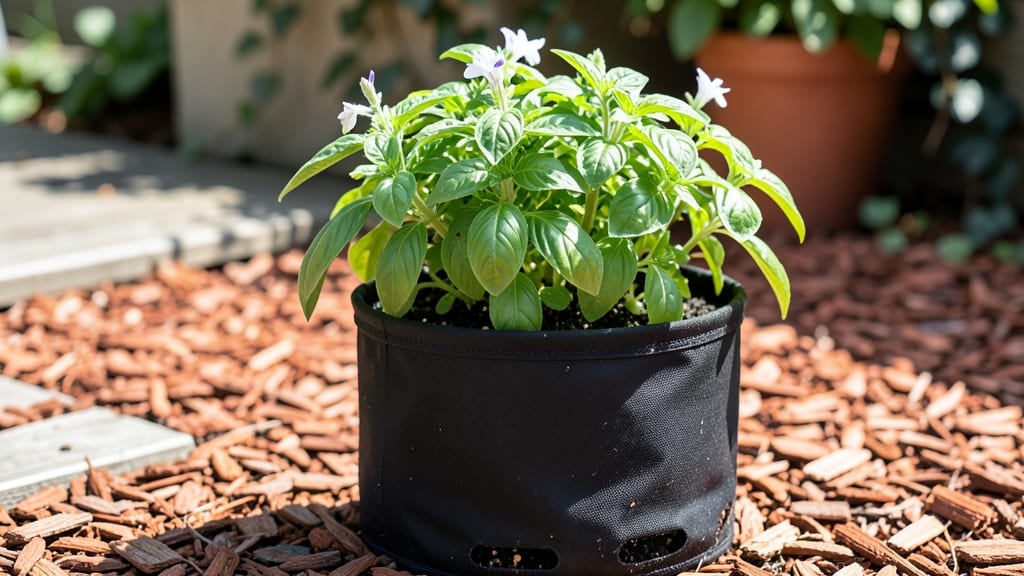
For heavy plants like tomatoes or citrus trees, 15-gallon garden pots provide the ideal 15 cubic feet of root space while demanding sturdy materials such as thick plastic, reinforced fabric, or heavy-duty ceramic to prevent cracking or tipping. Always prioritize weight capacity and drainage when selecting your container.
When it comes to large container gardening, the right pot makes all the difference.
A 15-gallon container strikes the perfect balance between space and manageability for plants that need room to grow—think dwarf citrus trees or sprawling tomato vines. 🌱 The key is matching the pot's material to your plant's needs: thick plastic resists cracking from temperature shifts, while ceramic offers timeless style but requires more frequent watering.
Fabric pots, though lighter, excel at aeration but may not hold up as long for aggressive root systems.
Don't overlook stability—many gardeners underestimate how much weight a mature plant adds to its container. A 15-gallon pot filled with soil and a citrus tree can tip over easily without proper support. I recommend placing heavier pots on casters or securing them to a raised bed for extra stability.
For plants that outgrow their containers quickly, like certain tomato varieties, consider upgrading to a 20-gallon pot sooner rather than later.
What this answer covers: We'll break down material comparisons, size guidelines for different plant types, and practical tips to keep your container garden thriving for years. Whether you're a beginner or a seasoned gardener, these insights will help you choose the best 15-gallon garden pots for your heavy plants.
💡 In This Article
- How Material Affects Durability and Drainage in 15-Gallon Pots
- Size and Weight Guidelines for Heavy Plants in 15-Gallon Containers
How material affects durability and drainage in 15-Gallon pots
The material of your 15-gallon container directly impacts how well it supports heavy plants. Thick plastic pots (like those with 0.125-inch walls) resist cracking from temperature fluctuations between 32°F and 100°F, which is crucial for outdoor use.
Their lightweight nature makes them easier to move, but they can warp over time under heavy loads like mature citrus trees. The smooth surface also makes them easier to clean, though they don't breathe like fabric alternatives.
Fabric pots take aeration to the next level by allowing roots to grow along the outside of the container, reducing root circling by up to 40%.
These pots are typically made from heavy-duty polypropylene and weigh about 15-20 pounds when empty, making them ideal for plants like tomatoes that need excellent drainage. However, fabric pots dry out faster and require more frequent watering—sometimes 2-3 times daily in hot climates.
Their breathability also means they won't hold moisture as well in drought-prone areas.
Ceramic pots offer unmatched aesthetic appeal but come with trade-offs for heavy plants. Their porous nature requires more frequent watering, and the weight of a 15-gallon ceramic pot (often 50-70 pounds when filled) makes them difficult to move.
The good news? They retain moisture longer than plastic and provide excellent insulation for roots. For stability, ceramic pots need a wide base or should be placed on a non-slip mat to prevent tipping under wind loads.
Metal pots, while durable, conduct heat and cold poorly, which can stress plant roots. Galvanized steel pots (common for raised beds) weigh 30-50 pounds empty and require painting every 2-3 years to prevent rust.
They're best for temporary setups or plants that tolerate cooler root zones, like lettuce. For heavy plants, metal pots need extra support—consider adding concrete blocks to the base or securing them to a frame.
Drainage efficiency varies wildly: plastic pots often have 4-6 drainage holes, while fabric pots have thousands of micro-perforations. Ceramic pots may need additional holes drilled if they lack proper drainage.
The key is balancing drainage with moisture retention—too many holes lead to rapid drying, while too few cause root rot. For heavy plants, aim for pots with at least 10% of the surface area dedicated to drainage.
What most gardeners overlook is how material affects root health. Plastic pots can develop anaerobic pockets where roots suffocate, while fabric pots encourage better oxygen exchange. Ceramic's porosity helps prevent overwatering, but metal's conductivity can chill roots in winter.
Choose based on your climate: plastic for hot, dry areas; fabric for humid climates; ceramic for decorative, stable setups.