
Size
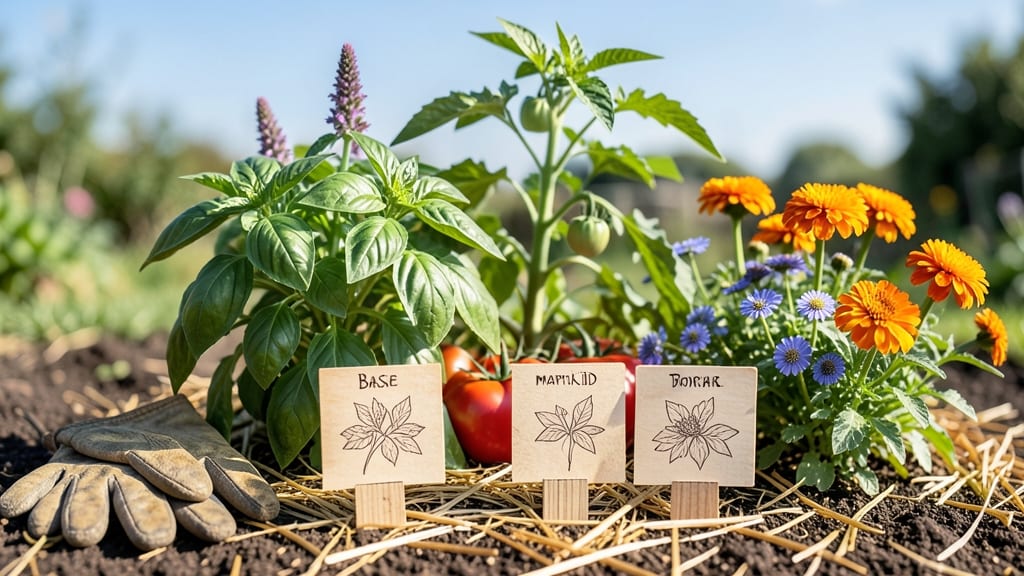
Some garden plants grow exceptionally well together when matched by their sunlight needs, growth habits, and natural relationships—like basil thriving near tomatoes to improve flavor, marigolds repelling pests around vegetables, or ferns complementing hostas in shady corners. Just avoid pairing onions with beans or fennel with dill, as these combinations can stunt growth or reduce yields.
Companion planting isn't just about aesthetics—it's a strategic way to maximize space, deter pests, and even boost flavors naturally. 🌱 For example, planting nitrogen-fixing legumes like peas near heavy feeders such as corn creates a self-sustaining nutrient cycle.
Meanwhile, taller plants like sunflowers can provide shade for lettuce, keeping it crisp longer. The key is observing how plants interact: some release chemicals that repel insects, while others share nutrients through their roots.
Seasonal adjustments matter too—what works in summer might fail in cooler months. Full-sun pairings like peppers and onions thrive together, but in partial shade, you'll want to pair astilbe with lungwort for a low-maintenance, pest-resistant combo.
Always check spacing requirements: overcrowding can lead to competition, while proper distances allow airflow and reduce disease risks.
💡 In This Article
- Science Behind Successful Plant Pairings
- Best Companion Planting Charts by Sunlight and Garden Type
Science behind successful plant pairings
Companion planting thrives on natural plant interactions that benefit growth, pest control, and nutrient cycling. At the core, nitrogen-fixing legumes like beans and peas form symbiotic relationships with soil bacteria, converting atmospheric nitrogen into usable forms for neighboring plants.
For instance, the classic "Three Sisters" trio—corn, beans, and squash—demonstrates this perfectly: corn provides vertical support, beans feed the soil, and squash shades the ground to retain moisture. 🌱 This triad reduces the need for synthetic fertilizers while creating a self-sustaining ecosystem.
The chemical warfare between plants plays a surprising role too. Many herbs, like marigolds, release natural pesticides called pyrethrins that repel nematodes and aphids, protecting nearby vegetables.
Similarly, garlic and onions emit sulfur compounds that deter pests, while basil near tomatoes can improve flavor by masking the plant's natural scent that attracts whiteflies. These interactions aren't just theoretical—studies show marigolds can reduce tomato hornworm populations by up to 70% when planted within 2 feet of them.
Root competition is another critical factor. Shallow-rooted plants like lettuce or radishes thrive under taller companions such as sunflowers or corn, which provide shade without competing for nutrients. Conversely, deep-rooted plants like carrots and parsnips should avoid being planted near each other, as their roots can tangle and stunt growth.
The ideal spacing between plants varies widely—12-18 inches for most vegetables—but some combinations, like radishes and carrots, can share space when radishes are harvested early.
Light and space dynamics also matter. Full-sun plants like peppers and basil need 6-8 hours of direct sunlight daily, while shade-tolerant plants such as ferns and hostas thrive in 3-4 hours of dappled light. Mixing these layers creates a balanced garden where each plant gets its ideal conditions.
For example, planting strawberries under blueberry bushes allows the strawberries to grow in the filtered light while the blueberries provide structure and pest protection.
What most gardeners overlook is the role of allelopathy—when plants release chemicals that inhibit others. Fennel, for instance, secretes compounds that stunt the growth of dill and other umbelliferous plants, which is why they should never be planted nearby.
Conversely, comfrey acts as a dynamic accumulator, drawing up nutrients from deep soil layers and making them available to surrounding plants through its decomposing leaves. This "chop-and-drop" method is a natural way to fertilize without synthetic inputs.
Seasonal timing adds another layer of complexity. Cool-season crops like kale and spinach pair well with garlic and onions in early spring, while warm-season plants like tomatoes and peppers benefit from being planted after the soil warms to 60°F.
Succession planting—replacing early crops with late-season varieties—maximizes space and reduces pest cycles. For example, after harvesting early radishes, you can plant bush beans in their place, continuing the nitrogen-fixing cycle.
Understanding these mechanisms lets you design a garden that works harder for you. The key is observing how plants interact in your specific climate and soil conditions—what thrives together in one region might fail in another.
Start with a few proven pairings, like basil and tomatoes or marigolds and cucumbers, and expand from there. 🌿