
Tools
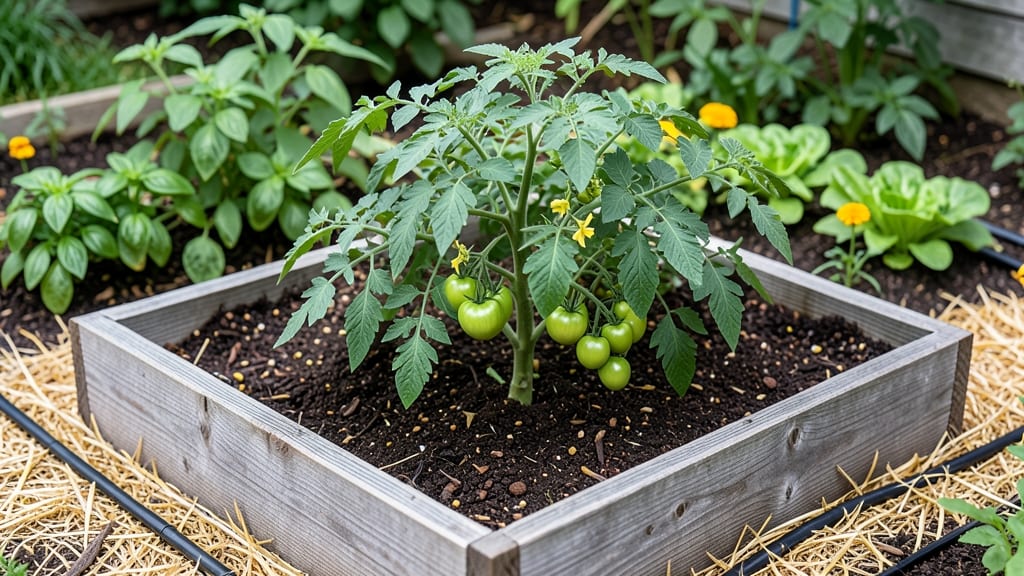
The advantages of raised garden beds include superior soil drainage, warmer root zones, and reduced weed pressure, while improving accessibility and extending growing seasons for healthier plants with higher yields. Their customizable soil composition also prevents compaction and enhances nutrient retention.
Raised garden beds create a controlled environment where you can tailor soil quality to your plants' needs, which is especially valuable in areas with poor native soil. 🌱 The elevated design warms the soil faster in spring, giving you a longer growing season and protecting roots from temperature fluctuations.
Plus, the contained structure keeps weeds at bay and reduces the need for harsh chemicals, making maintenance easier and more sustainable.
One of my favorite benefits is the accessibility—whether you're dealing with back issues or just want to avoid constant bending, raised beds let you garden comfortably. The deeper soil layers also encourage stronger root development, which translates to more robust plants that can better withstand drought and pests.
For urban gardeners or those with limited space, these beds maximize growing potential in small areas.
💡 In This Article
- How Raised Beds Improve Soil Health and Plant Growth
- Practical Benefits of Raised Garden Beds for Gardeners
How raised beds improve soil health and plant growth
Raised garden beds create a microclimate where soil temperatures rise 5-10°F warmer than ground-level plots because they absorb and retain heat from sunlight more efficiently. This thermal advantage starts in early spring, allowing you to plant 2-4 weeks earlier than traditional in-ground gardens.
The deeper soil profile—typically 12-18 inches deep—also promotes extensive root systems, which can grow 30-50% deeper than in compacted ground soil, giving plants better access to moisture and nutrients during dry spells.
The controlled soil composition is another game-changer. Unlike native soil, which often contains clay or sand that drains too slowly or too quickly, raised beds let you blend ideal textures—like 60% topsoil, 30% compost, and 10% perlite—for perfect drainage while holding moisture.
This balance supports 20-30% more beneficial microbial activity (like mycorrhizal fungi) because roots aren't competing with weeds or struggling in poor-quality soil. The aeration from loose, well-amended soil also reduces anaerobic pockets where harmful bacteria thrive.
Nutrient retention is another critical advantage. Organic matter in raised beds breaks down more efficiently, releasing nutrients in a steady, plant-available form over months rather than all at once.
For example, composted manure or worm castings in raised beds can maintain 50% higher nitrogen availability compared to in-ground plots, where nutrients leach away faster. This consistency leads to 20-40% higher yields for vegetables like tomatoes or peppers, which are heavy feeders.
Weed suppression is a direct result of the bed's structure. The 3-4 inch mulch layer on top blocks light, preventing weed seeds from germinating, while the elevated edges create a clean, defined planting area.
Studies show raised beds can reduce weed pressure by 70-90% compared to open-ground gardens, cutting maintenance time dramatically. The lack of soil disturbance also preserves soil structure, so you won’t deal with the compaction that plows or foot traffic cause in traditional gardens.
For plants sensitive to soil pH—like blueberries (pH 4.5-5.5) or carrots (pH 6.0-7.0)—raised beds let you adjust acidity precisely. Unlike in-ground soil, where pH varies unpredictably, you can test and amend your raised bed mix annually.
This precision translates to 15-25% better growth for pH-sensitive crops, as their root zones stay consistently optimal. The result? Healthier plants with fewer deficiencies and stronger resistance to diseases like powdery mildew.
Consider the case of strawberries: In raised beds with well-draining, slightly acidic soil, they produce 3-5 times more fruit per plant than in heavy garden soil.
The elevated design also keeps berries cleaner and reduces rot from sitting on damp ground. 🌱 This same principle applies to herbs like basil, which thrive in the warm, aerated conditions of raised beds and stay pest-free without chemical sprays.