
Landscaping
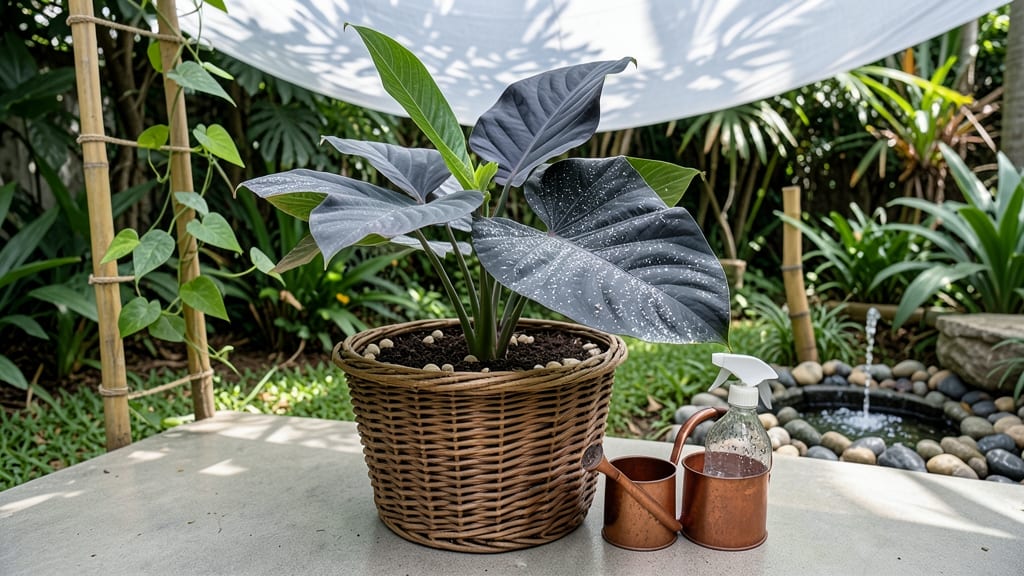
Garden ideas featuring alocasia plants turn shady spots into vibrant focal points with their bold, arrowhead-shaped leaves.
Picture this: a corner of your yard that’s always been a challenge—too dark for sun-lovers but perfect for dramatic foliage like alocasia 🌿. With the right companions, it becomes a lush, tropical retreat that thrives in low light.
Whether you’re working with containers, raised beds, or a full shade garden, pairing alocasia with the right plants elevates your design from ordinary to extraordinary. Think rich textures, contrasting colors, and layered heights that create depth.
In this guide, I’ll show you how to combine alocasia with other bold shade-lovers, choose the best varieties for your space, and keep them thriving year-round—so you can enjoy that jungle-inspired vibe without the fuss.
Best alocasia varieties for stunning shade garden designs
If you love dramatic foliage but struggle with shady spots, alocasia plants are your secret weapon. These tropical beauties thrive in low light, delivering bold, arrowhead-shaped leaves that scream "jungle vibes" without needing direct sun. The right variety can transform even the darkest corner into a lush, high-impact display 🌿.
I’ve grown alocasia for years, and the key to success lies in choosing varieties that match your garden’s light conditions and design goals. Some varieties handle humidity better, while others stay compact—perfect for containers.
Let’s dive into my top picks for shade gardens, including their unique foliage, growth habits, and ideal planting conditions.
Here’s a quick overview of the best alocasia varieties for shade, along with their care needs and design potential:
Each of these varieties brings something unique to your shade garden design. For example, Alocasia Polly is my go-to for containers because its compact size and velvety leaves add instant texture. Meanwhile, Alocasia Frydek thrives in deeper shade, making it perfect for under trees where other plants struggle 🌳.
When selecting varieties, consider your garden’s microclimate. If you live in a humid climate (like USDA zones 10-12), you can plant alocasia outdoors year-round. In cooler zones, treat them as seasonal container plants and move them indoors before frost.
I’ve even seen gardeners overwinter alocasia in bright basements with grow lights!
Pro tip: Group alocasia with other shade-loving plants like ferns or calatheas to create a layered look. The contrast between alocasia’s bold leaves and delicate ferns adds depth and movement to your design. For example, pairing Alocasia Zebrina with a silver-leafed Pilea creates a striking visual contrast 🌿.
Don’t overlook soil and moisture when planting. Alocasia loves rich, well-draining soil mixed with organic matter like compost or peat moss. I swear by a blend of 50% potting mix, 30% perlite, and 20% worm castings for optimal drainage and nutrients.
Water consistently—these plants hate drying out but also dislike soggy roots.
For maximum impact, place your alocasia where its leaves can be seen from multiple angles. Near pathways or seating areas ensures you (and your guests) can admire their glossy foliage up close.
And if you’re feeling adventurous, try training a climbing philodendron nearby to weave through the alocasia’s stems—it adds a dynamic, tropical feel ✂️.
Ready to transform your shade garden? Start with one of these varieties, and watch your dark
How to pair alocasia with other bold shade-loving plants
Pairing alocasia with the right shade-loving plants creates a stunning tropical oasis in your garden 🌿. The key is balancing textures, heights, and colors to maximize visual impact while ensuring all plants thrive in low-light conditions.
Start by selecting companions that share similar humidity and watering needs—this keeps maintenance simple and your garden lush year-round.
For height layering, I recommend using alocasia as your mid-to-tall focal point (2-4 feet tall). Pair it with shorter plants like calatheas or hostas (1-2 feet) to create depth.
This arrangement draws the eye upward while keeping the space dynamic. Think of alocasia as your "statement piece" and let other plants frame it beautifully.
Color contrast is another game-changer. Alocasia's deep greens or purple-black leaves pop against the silvery-blue foliage of blue hostas or the bright yellow-green of Philodendron hederaceum. This contrast makes your shade garden feel vibrant and intentional, even in dim lighting. Pro tip: Add a pop of red or pink with Heuchera or Impatiens for extra drama.
| Plant Pairing | Height Layer | Color Contrast | Seasonal Interest |
|---|---|---|---|
| Alocasia + Maidenhair Fern | Mid (2-3 ft) + Low (1-2 ft) | Dark green vs. lacy silver | Fern fronds add movement year-round |
| Alocasia + Calathea Orbifolia | Mid (2-4 ft) + Low (1-2 ft) | Purple stems vs. deep green leaves | Orbifolia's ruffled leaves add texture |
| Alocasia + Philodendron Brasil | Tall (3-5 ft) + Trailing (1-3 ft) | Velvet leaves vs. glossy alocasia | Brasil's heart-shaped leaves complement alocasia's arrowhead shape |
| Alocasia + Hosta 'Blue Angel' | Mid (2-3 ft) + Low (1-1.5 ft) | Blue-green vs. deep purple-black | Hostas provide summer shade for alocasia roots |
| Alocasia + Ficus Elastica 'Tineke' | Tall (4-6 ft) + Mid (2-3 ft) | Pink variegation vs. dark foliage | Tineke's bold stripes add winter interest |
Don’t overlook seasonal interest—this is what keeps your shade garden exciting all year. While alocasia provides year-round foliage, pair it with plants that offer winter interest, like evergreen ferns or Helleborus (Lenten rose).
In spring, add Impatiens or Begonias for bursts of color that contrast beautifully with alocasia’s deep tones. This layered approach ensures your garden stays dynamic, even when some plants go dormant.
For container gardens, combine alocasia with trailing plants like Philodendron micans or Epipremnum aureum (pothos) to create a hanging cascade. Place the alocasia at the back or center of the pot, then let the trailing vines spill over the edges.
This creates a vertical garden effect that maximizes space in small areas. Use a well-draining mix with peat moss or coconut coir to keep roots happy.
Finally, group odd numbers of plants together (3 or 5) for a natural, balanced look. For example, place one Alocasia Polly as the centerpiece, flanked by two Calathea rufibarba (rattlesnake plant) on either side.
This arrangement feels intentional and highlights each plant’s unique features. With these pairings, your shade garden will become a year-round showstopper that’s easy to maintain 🪴.