
Pests and Diseases
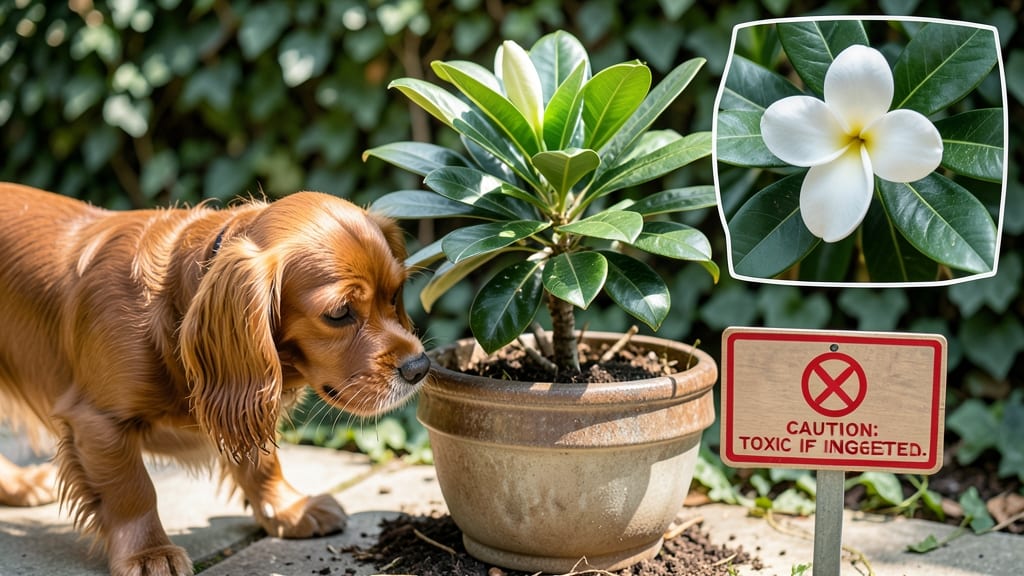
Gardenias are poisonous to dogs, containing toxic compounds like saponins and glycosides that cause vomiting, drooling, and lethargy if ingested. Immediate vet care is critical if your dog eats gardenia leaves, flowers, or stems.
When dogs nibble on gardenia plants, their digestive systems react poorly to the natural toxins found in every part of the plant—leaves, flowers, and even stems. 🌸 These compounds can trigger more severe symptoms like diarrhea, weakness, or even kidney damage if consumed in large amounts.
Even small exposures should be taken seriously, as dogs' smaller bodies are more vulnerable to plant toxins than humans.
If you're worried about your pup's curiosity, consider swapping gardenias for pet-safe alternatives like sunflowers or roses, which offer similar beauty without the health risks. Always monitor your dog around new plants and consult your vet if you suspect any ingestion.
💡 In This Article
- Toxic Compounds in Gardenias and Their Effects on Dogs
- Safe Dog-Friendly Alternatives to Gardenias for Gardens
Toxic compounds in gardenias and their effects on dogs
The gardenia plant contains two primary toxic compounds that pose risks to dogs: saponins and glycosides. Saponins create soapy-tasting foams when mixed with water, which irritate a dog's mouth and digestive tract upon ingestion.
These compounds disrupt cell membranes, causing inflammation and damage to the intestinal lining. 🌿 Gardenias also contain cardiac glycosides, which interfere with normal heart function by inhibiting sodium-potassium pumps in cells, potentially leading to dangerous arrhythmias.
Symptoms of gardenia toxicity typically appear within 6-12 hours after ingestion and vary based on the amount consumed. Small amounts (like a few leaves) may cause mild vomiting and drooling, while larger ingestions (entire flowers or stems) can trigger severe symptoms such as diarrhea, weakness, or even seizures.
The plant's toxic effects aren't limited to the leaves—every part, including the fragrant white flowers, contains these harmful compounds. A 10-pound dog might show symptoms after eating just 1-2 leaves, while larger dogs may tolerate slightly more before exhibiting signs.
The most concerning long-term risk is kidney damage, as both saponins and glycosides are processed through the kidneys.
Dogs with pre-existing kidney conditions are particularly vulnerable. 🐾 What makes gardenias especially dangerous is their appealing scent and appearance to dogs—many pups are drawn to chew on the glossy leaves or delicate flowers, unaware of the hidden toxins.
Unlike some plants that cause immediate, obvious reactions, gardenia toxicity often progresses gradually, making it easy to miss early warning signs.
If you suspect your dog has ingested gardenia, monitor for these key symptoms: excessive drooling, repeated vomiting, lethargy, or changes in appetite. Unlike human exposure, where gardenia tea might cause mild stomach upset, dogs experience more severe reactions due to their smaller size and different metabolism.
The ASPCA lists gardenias as toxic to pets, emphasizing that even small exposures warrant veterinary attention. Always keep gardenias—and all toxic plants—out of reach of curious pets.
Here's what happens in a dog's body after ingestion: the saponins first irritate the mouth and throat, causing drooling and gagging. As they travel through the digestive system, they damage the intestinal lining, leading to vomiting and diarrhea.
Meanwhile, the glycosides begin affecting the heart and nervous system, which can cause weakness or collapse in severe cases. This two-pronged attack makes gardenias particularly hazardous compared to plants that affect only one system. 🚨
For pet owners, understanding these mechanisms helps explain why even a small nibble can escalate quickly. The key is prevention—removing gardenias from yards and homes where dogs have access.
If ingestion occurs, prompt veterinary care can make a significant difference in recovery, as treatments often focus on supportive care like IV fluids and medications to control vomiting.