
How To
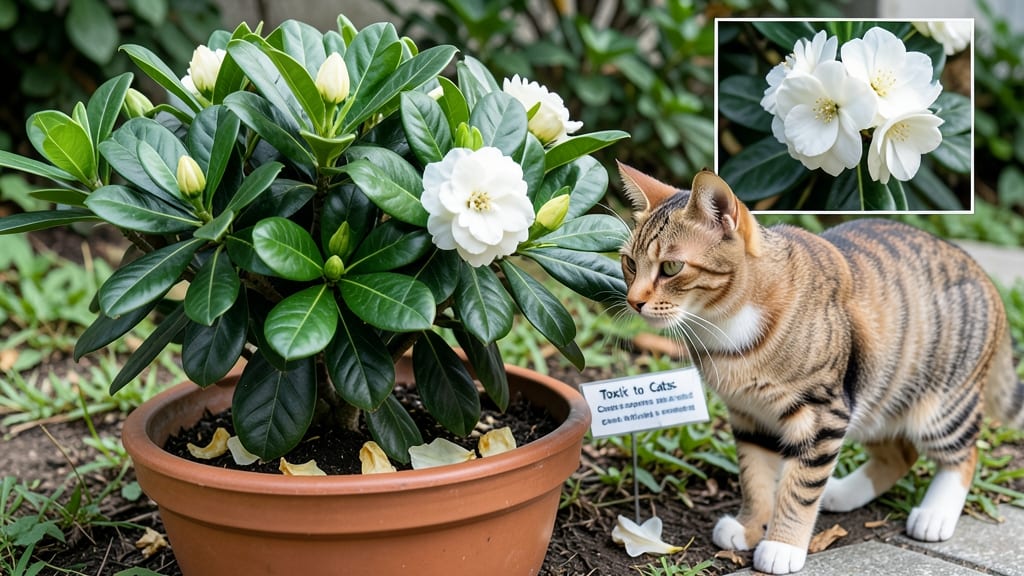
Gardenias are toxic to cats due to their thevetia peruviana content, causing vomiting, diarrhea, lethargy, and drooling. Immediate vet care is critical if ingestion occurs, as symptoms can escalate quickly.
Gardenias contain natural compounds called cardiac glycosides, which disrupt a cat's heart rhythm and nervous system. 🐱 Even small amounts—like nibbling on a single leaf—can trigger severe reactions, including seizures or abnormal heartbeats.
The flowers are less toxic than leaves or stems, but curiosity often leads cats to investigate all parts of the plant. I always recommend removing gardenias from homes with cats, as even accidental exposure can have dangerous consequences.
If you suspect your cat has ingested gardenia, monitor for signs like excessive drooling, weakness, or rapid breathing. These symptoms can appear within hours, so don't wait to contact your vet. In my experience, early intervention makes all the difference in preventing long-term complications.
💡 In This Article
- Toxic Compounds in Gardenias and Their Effects on Feline Health
- Cat-Safe Garden Alternatives to Gardenias
Toxic compounds in gardenias and their effects on feline health
The primary toxin in gardenias is thevetia peruviana, a cardiac glycoside that disrupts your cat's heart rhythm and nervous system.
This compound interferes with sodium-potassium pumps in cells, causing abnormal electrical signals that lead to dangerous arrhythmias. 🔥 Thevetia peruviana is most concentrated in gardenia leaves and stems, where levels can reach up to 0.1-0.3% of the plant's dry weight—enough to trigger symptoms even in small amounts.
Leaves pose the highest risk because cats often chew them when investigating new plants. A single leaf (about 1-2 grams of fresh material) can contain enough toxin to cause vomiting, diarrhea, or lethargy within 6-12 hours.
Flowers contain lower concentrations, but their sweet fragrance may attract curious cats. The petals' waxy texture makes them harder to digest, prolonging exposure to toxins in the stomach.
Symptoms escalate based on dosage and your cat's size. A 10-pound cat ingesting 3-5 grams of gardenia leaves might experience mild gastrointestinal upset, while larger doses (over 10 grams) can lead to seizures or cardiac arrest.
The nervous system effects—like drooling or dilated pupils—occur when thevetia peruviana crosses the blood-brain barrier, disrupting neurotransmitter function.
What makes gardenias uniquely dangerous is their delayed onset. Initial symptoms (vomiting, diarrhea) may appear within hours, but neurological effects (weakness, tremors) can take 12-24 hours to manifest.
This delay often leads pet owners to underestimate the severity until it's too late. 💫 Even small exposures require veterinary monitoring, as cats metabolize toxins differently than humans or dogs.
To put this into perspective, gardenias are 10x more toxic than lilies (another common feline hazard), which primarily affect the kidneys. The cardiac impact means even a single bite could require IV fluids, activated charcoal, or anti-arrhythmic medications—treatments that cost $500-$2,000 per emergency visit.
Prevention is always safer than treatment.
If you're unsure whether your cat has been exposed, look for these red flags: excessive pawing at the mouth (a sign of nausea), unusual lethargy, or rapid breathing.
These are early warnings that thevetia peruviana is already affecting their system. Immediate vet action can mean the difference between recovery and long-term damage.