
Pests
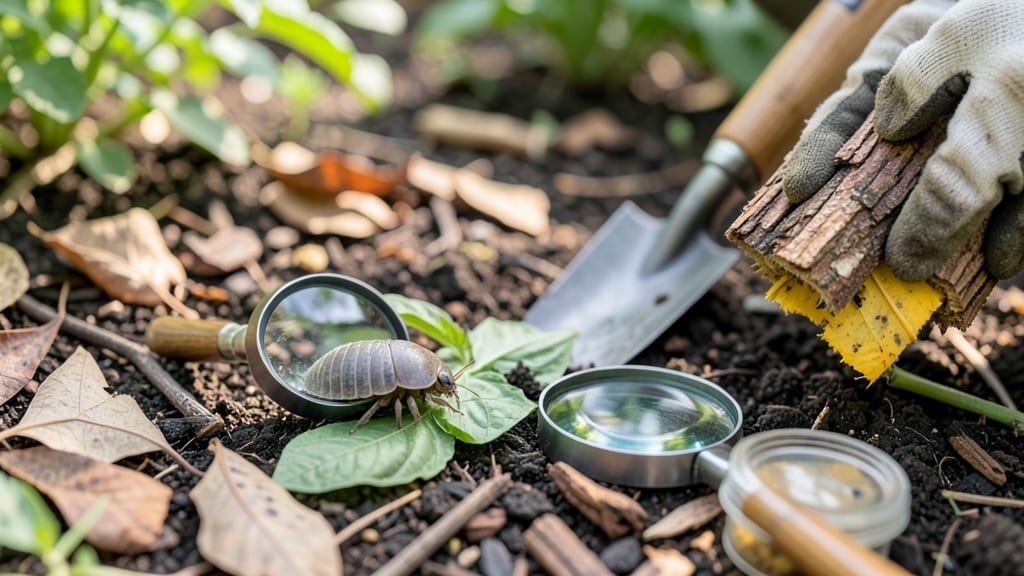
Rollie pollies (pill bugs) are not bad for gardens—they decompose organic matter, aerate soil, and break down plant debris, acting as natural recyclers that improve soil health and reduce waste.
Rollie pollies actually play a helpful role in your garden's ecosystem. 🌱 These little critters thrive on decaying leaves, compost, and other organic debris, which means they're doing the heavy lifting for you by breaking down materials that would otherwise clutter your soil.
Their tunneling habits also improve soil aeration, creating pathways for water and nutrients to reach plant roots more efficiently. Think of them as tiny, beneficial janitors keeping your garden clean and healthy.
That said, they can become a nuisance if their numbers get out of control. When they gather in large groups under mulch or rocks, it might look unappealing, but they're not harmful.
If you notice an overpopulation, simply reduce excess moisture in those areas and consider relocating them to a compost pile or wooded area where they can continue their helpful work without being in your garden space.
💡 In This Article
- How Pill Bugs Benefit Garden Soil Health
- Managing Pill Bug Overpopulation in Gardens
How pill bugs benefit garden soil health
Pill bugs (also called rollie pollies) are nature's composters, breaking down organic materials like dead leaves, fallen fruit, and decaying plant matter. Their mandibles are perfectly adapted for shredding cellulose-rich materials, turning them into finer particles that decompose faster.
Studies show they can process up to 10% of their body weight in organic debris daily—meaning a single pill bug colony can clear significant garden waste over time.
Their tunneling behavior creates micro-channels in the soil that improve aeration by increasing oxygen flow to roots. These tiny pathways also enhance water infiltration, reducing surface runoff and helping roots absorb moisture more efficiently.
In fact, their activity can boost soil porosity by 15-20% in heavily organic garden beds, which is comparable to earthworm contributions but on a smaller scale. The physical disturbance they create also stimulates microbial activity, creating a more dynamic soil ecosystem.
What makes them especially valuable is their role in nutrient cycling. As they digest organic matter, their waste (called frass) contains concentrated plant nutrients like nitrogen and phosphorus. This natural fertilizer effect means they're indirectly feeding your plants while they clean up.
Unlike some decomposers that require specific conditions, pill bugs thrive in the same environments where garden waste accumulates—making them perfect on-site recyclers.
However, their benefits depend on balance. While a few dozen pill bugs are helpful, thousands can become overwhelming. The key difference lies in their population density: beneficial levels maintain soil health, while overpopulation may indicate excess organic matter or moisture that needs management.
Their presence is actually a sign of a healthy decomposition cycle in your garden ecosystem.
Consider this comparison: A single square foot of garden soil might contain 50-100 pill bugs during peak season without causing issues, while 500+ might signal they're doing too much work in one spot.
Their natural behavior of curling into a ball when threatened means they're rarely aggressive—they're just doing their job of breaking down materials that would otherwise smother plant roots.
For gardeners using mulch, pill bugs are particularly valuable because they help incorporate it into the soil rather than letting it form a dense layer. Their activity prevents mulch from becoming waterproof or blocking oxygen flow to roots.
This dual benefit of decomposition and soil aeration makes them one of the most underrated allies in organic gardening practices.