
Tools
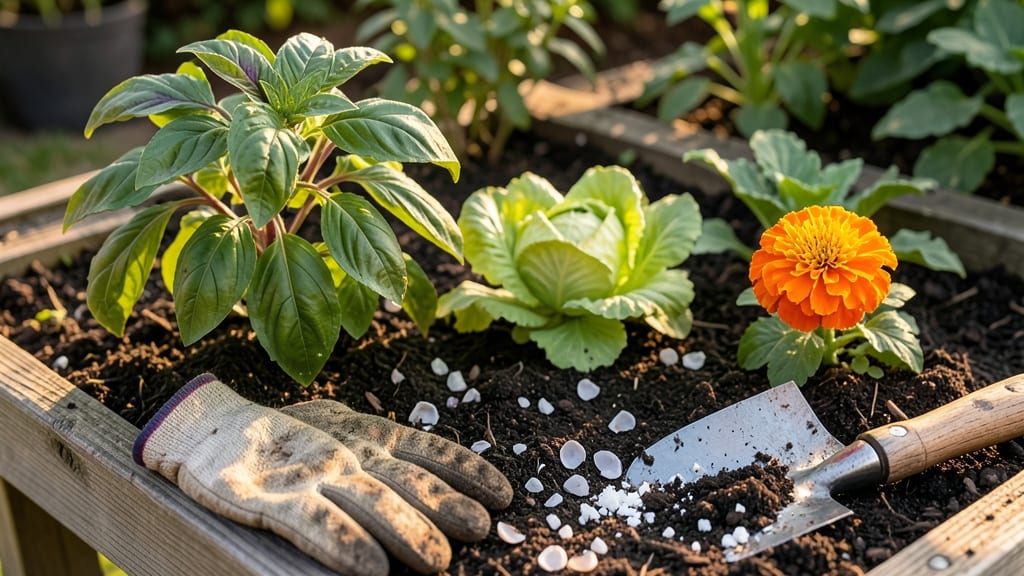
Adding eggshells to garden soil enriches it with calcium and magnesium, enhances drainage, and prevents compaction—but they must be crushed and composted first to protect roots and deter pests.
Eggshells act like a natural soil amendment because their crushed form slowly releases essential minerals, especially calcium carbonate, which helps neutralize acidic soil. 🌱 This mineral boost supports stronger cell walls in plants, leading to healthier growth and better resistance to diseases.
The gritty texture from crushed shells also improves soil aeration, which is particularly beneficial for root-heavy plants like tomatoes or peppers.
For best results, bake shells at 200°F for 10 minutes to kill bacteria, then crush them into a fine powder. Mix them into compost piles or sprinkle directly into planting holes at a rate of about 1 cup per plant.
Avoid overdoing it—too many shells can create an alkaline environment that harms acid-loving plants like blueberries or azaleas.
💡 In This Article
- How Eggshells Improve Soil Chemistry and Plant Growth
- Best Practices for Adding Eggshells to Garden Beds
How eggshells improve soil chemistry and plant growth
Eggshells are primarily composed of calcium carbonate (about 95%), with trace amounts of magnesium, phosphorus, and potassium.
When crushed and added to soil, they act as a slow-release mineral supplement, particularly for calcium—an essential nutrient for plant cell wall formation and overall structural integrity. 🌱 The calcium carbonate helps buffer acidic soil, raising pH levels slightly, which is especially beneficial for plants that thrive in neutral to slightly alkaline conditions like broccoli, cabbage, and beans.
The breakdown process begins when soil microbes and natural acids (like those from decaying organic matter) dissolve the calcium carbonate over time. This gradual release prevents sudden spikes in soil chemistry that could harm delicate root systems.
Whole eggshells, however, take years to decompose and can actually disrupt soil structure by creating physical barriers around roots. Crushing them into a fine powder accelerates decomposition, allowing plants to access nutrients within weeks rather than months.
Magnesium, another key mineral in eggshells, plays a critical role in chlorophyll production—the green pigment that helps plants convert sunlight into energy. A deficiency often results in yellowing leaves, particularly between leaf veins.
By adding crushed eggshells, you're essentially providing a dual-purpose amendment: calcium for structural strength and magnesium for photosynthesis efficiency. 💫 This combination is particularly valuable for heavy feeders like tomatoes, which require substantial calcium to prevent blossom-end rot.
Beyond minerals, the physical texture of crushed eggshells improves soil aeration by creating tiny air pockets that enhance root respiration. This is especially important in dense, clay-heavy soils where compaction can suffocate roots.
The gritty particles also help prevent soil from becoming waterlogged, which is crucial during heavy rains or in poorly draining garden beds. However, the benefits diminish if shells aren't properly prepared—raw eggshells can introduce bacteria or attract pests like rodents.
Consider this comparison: A single dozen eggshells contains roughly 2.2 grams of calcium, which translates to about 0.1% of a plant's annual calcium needs. While this seems modest, the long-term accumulation in compost or garden beds creates a sustainable mineral reservoir.
For example, adding crushed shells to compost piles not only boosts nutrient content but also helps maintain a balanced microbial community that further breaks down organic matter.
One often-overlooked benefit is the eggshells' ability to attract earthworms—nature's soil aerators. These worms create burrows that improve drainage and bring nutrients to the surface through their castings.
The presence of calcium also helps stabilize soil aggregates, preventing the fine particles from clumping together and reducing erosion. 🌿 This makes eggshells a versatile amendment that addresses both chemical and physical soil properties simultaneously.