
Container Gardens
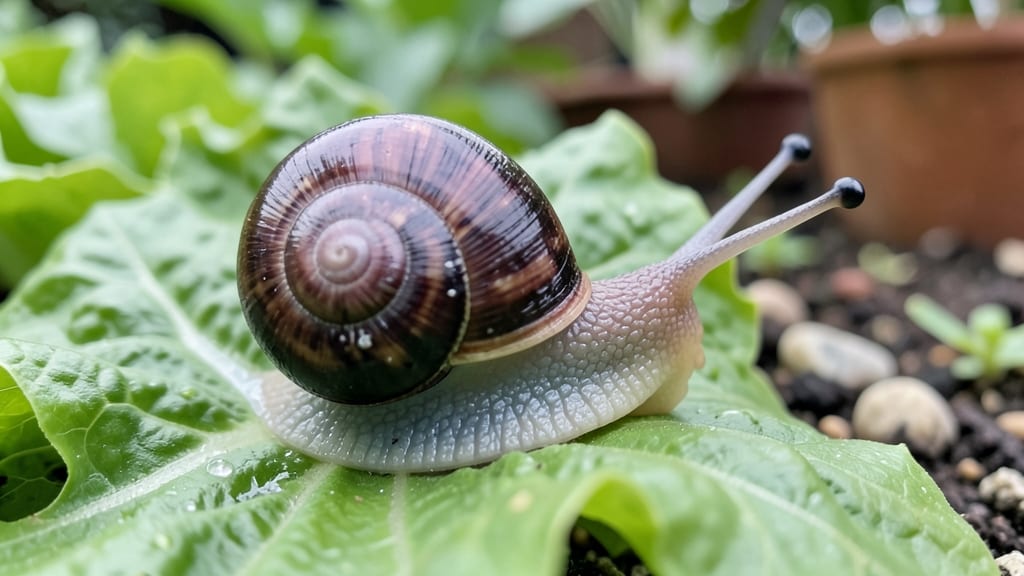
Snails are good for gardens because they help control pests like slugs and aphids by feeding on them, while their waste breaks down into valuable nutrients for plants. However, they can also munch on young leaves and vegetables, so it's important to monitor their numbers and use natural deterrents.
These small creatures play a dual role in garden ecosystems. 🔥 On one hand, they act as natural pest controllers by targeting slugs and aphids, which can devastate plants if left unchecked. Their waste, rich in calcium and nitrogen, acts like a slow-release fertilizer that improves soil structure over time.
But their appetite for tender shoots and seedlings means you'll need to strike a balance—think of them as helpful but occasionally mischievous neighbors.
For a hands-off approach, try organic barriers like crushed eggshells or copper tape around vulnerable plants. Planting marigolds or thyme nearby can also help deter them naturally.
The key is observation: if you notice more damage than benefits, it's time to gently relocate them to a less critical area of your garden.
💡 In This Article
- How Snails Benefit Garden Ecosystems
- Managing Snail Populations in Your Garden
How snails benefit garden ecosystems
Snails serve as natural pest regulators by targeting soft-bodied insects like slugs and aphids. Their sharp radula—a tongue-like structure covered in tiny teeth—lets them scrape off aphid colonies, reducing infestations without chemicals.
Studies show garden snails (Cornu aspersum) can consume up to 10-15 aphids per day, making them valuable allies against these sap-sucking pests that weaken plants by transmitting viruses.
Their waste, called "snail slime" or "castings," contains high levels of calcium carbonate (up to 30% by weight) and nitrogen-rich proteins that break down into plant-available nutrients.
When deposited near plant roots, these castings improve soil structure by aerating compacted earth—snails burrow to 2-3 inches deep, creating channels that enhance water infiltration. This natural fertilization effect is comparable to compost tea but occurs gradually over weeks rather than days.
Beyond pest control and soil enrichment, snails contribute to pollination for certain plants. Their slimy trails help transport pollen between flowers with 0.1-0.2mm diameter blooms, like some varieties of orchids and night-blooming flowers.
While not as efficient as bees, they play a niche role in ecosystems where other pollinators are scarce. The trade-off? Their feeding habits can create 0.5-1 inch holes in young leaves, which is why balance is key in garden management.
Consider this ecological trade-off: snails help control pests that would otherwise require chemical interventions, while their waste provides a slow-release nutrient boost. However, their appetite for tender seedlings (like lettuce or basil) means their benefits depend entirely on population control.
In a 100-square-foot garden, you might find 5-10 snails beneficial, but 50+ could become problematic without intervention.
What most gardeners don't realize is how snails' behavior changes with moisture levels. During dry spells, they retreat into 2-3 inch-deep burrows to conserve moisture, reducing damage to plants. This dormancy period explains why snail-related issues spike after heavy rain—humidity triggers their activity, leading to increased feeding and reproduction rates.
For optimal results, create microhabitats that encourage beneficial snail populations while protecting vulnerable plants. Place 1-2 inch-deep containers filled with damp sand near beneficial plants to attract snails away from seedlings. This simple technique leverages their natural behaviors while minimizing collateral damage.