
Pests
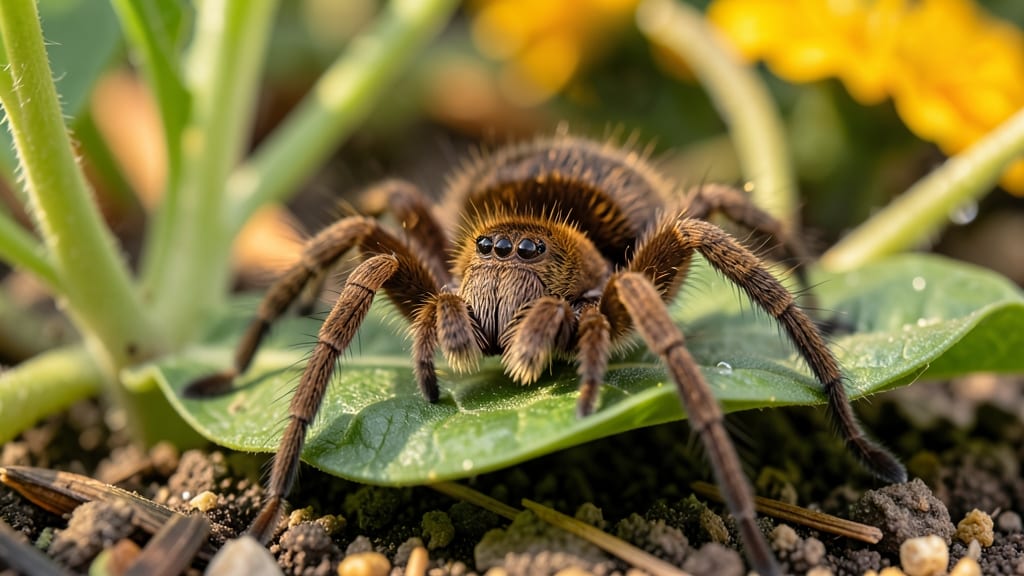
Spiders are highly beneficial in the garden, acting as natural pest controllers by preying on insects like aphids, mosquitoes, and beetles, reducing the need for chemical pesticides while supporting biodiversity and ecosystem balance.
Spiders actually play a crucial role in maintaining garden health by keeping harmful insect populations in check. 🔥 They're not just creepy crawlies—they're silent, efficient predators that target pests like caterpillars, whiteflies, and even garden-damaging beetles.
Studies show that just one garden spider can eat thousands of insects over its lifetime, making them one of nature's best pest control solutions. Their presence also helps maintain the delicate balance of your garden's ecosystem, reducing the need for synthetic chemicals that can harm beneficial insects and soil health.
What's fascinating is how they work behind the scenes. Unlike bees or butterflies, spiders don't get much attention, but their hunting techniques—like web-building and ambush predation—make them incredibly effective at controlling pests before they become problems.
This natural pest control isn't just good for your plants; it's better for the environment too, as it reduces chemical runoff that can harm local waterways and wildlife.
💡 In This Article
- How Spiders Act as Natural Garden Pest Predators
- Encouraging Spider Populations in Your Garden
How spiders act as natural garden pest predators
Spiders are nature's stealthy pest control agents, employing diverse hunting strategies to target garden-damaging insects. Their diet includes 600+ species of prey, with many focusing on soft-bodied pests like aphids, whiteflies, and mosquito larvae.
A single orb-weaver spider can consume up to 1,000 insects annually, while wolf spiders—known for their ground-dwelling habits—prey on beetle larvae and cutworms that devastate vegetable plants.
Their hunting efficiency stems from specialized adaptations: orb-weavers use silk traps with 50% visibility to catch flying insects, while jumping spiders employ high-speed ambush tactics (accelerating at 100 times their body length per second) to snatch prey mid-air.
The ecological impact of spiders extends beyond individual predation rates. Research from the University of California's Integrated Pest Management program reveals that gardens with diverse spider populations experience 30-50% fewer pest insects compared to spider-free environments.
This occurs because spiders fill ecological niches that other predators can't: they target insects at all life stages (eggs, larvae, adults) and operate 24/7, unlike birds that are active only during daylight.
Their presence also disrupts pest reproduction cycles—when spiders reduce adult mosquito populations by 70%, they indirectly prevent disease transmission to humans while protecting garden plants from damage.
What makes spiders particularly valuable is their role in reducing chemical pesticide dependence. A study published in the Journal of Applied Ecology found that gardens treated with synthetic pesticides saw spider populations decline by 80% within weeks, leading to resurgences of pest insects.
This creates a vicious cycle where more chemicals are needed to combat the rebound. Spiders' natural pest control isn't just effective—it's sustainable, as they don't develop resistance to pests and maintain ecological balance without disrupting beneficial insect populations like bees or ladybugs.
Their impact varies by species and garden type. For example, crab spiders specialize in pollinator pests like tomato hornworms, while linyphiid spiders thrive in leaf litter, controlling soil-dwelling pests. Urban gardens benefit particularly from cellar spiders, which target flying insects like whiteflies that plague houseplants.
The key is recognizing that spiders aren't just controlling pests—they're maintaining the garden's natural defense system, often working in tandem with other predators like ground beetles and lacewings.
Seasonal variations further demonstrate their importance. During spring, when aphid populations explode, orb-weaver spiders become dominant, while summer brings out wolf spiders that patrol garden beds. Even in winter, some spider species remain active, continuing to suppress pest populations.
This year-round service makes spiders more reliable than many commercial pest control methods that only work during specific seasons.
Consider this real-world example: A 2019 study of strawberry farms in California found that fields with natural spider populations required 40% fewer pesticide applications while producing higher-quality fruit. The spiders targeted key pests like spider mites and leafhoppers without harming pollinators, resulting in both economic savings and environmental benefits.
This dual advantage—effective pest control with ecological harmony—is why spiders are often called the "unsung heroes" of garden ecosystems.