
Size
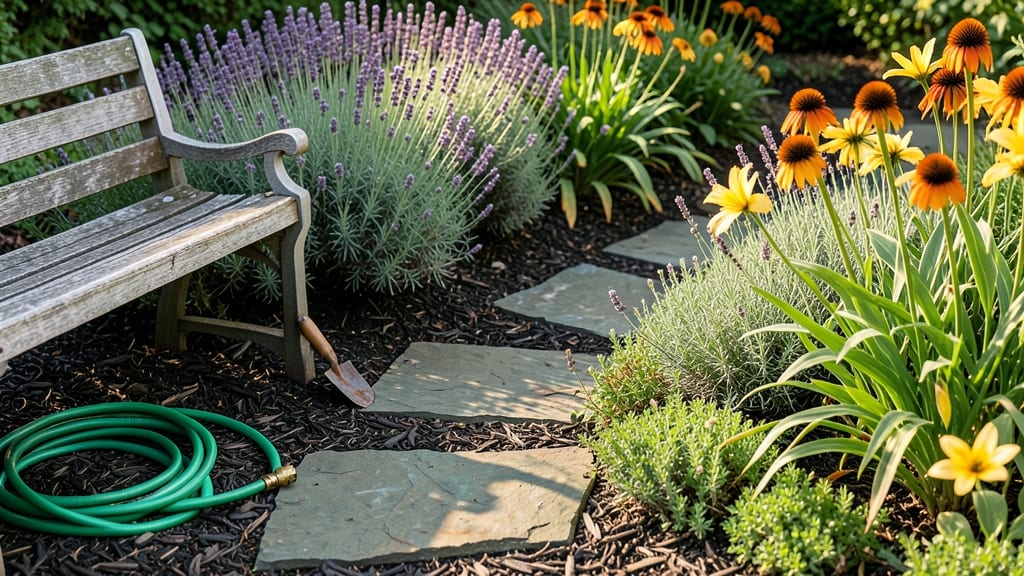
The average size of a garden ranges from 50 to 200 square feet for small urban plots, scaling to 500–1,000+ square feet for suburban vegetable or flower gardens, depending on plant types and layout goals like raised beds or in-ground rows.
The average size of a garden you choose directly impacts what you can grow and how efficiently. Urban gardeners often work with tight spaces, so they focus on high-yield crops like leafy greens or herbs that thrive in 50–100 square feet.
Meanwhile, suburban plots with 500+ square feet allow for sprawling vegetables like tomatoes or pumpkins that need more room to flourish. 🌱 The key is matching plant needs to your layout—raised beds, for example, let you pack more plants into a smaller footprint than traditional rows.
For instance, a 10x10-foot raised bed (100 sq ft) can easily support a family’s herb garden or a mix of bush beans and lettuce, while the same space in-ground might only fit half as many plants due to wider spacing.
I’ve found that even in smaller gardens, strategic planning—like using vertical trellises for cucumbers—can double your harvest potential without expanding your plot.
💡 In This Article
- How Garden Size Impacts Plant Selection and Yield
- Designing a Functional Garden by Space Constraints
How garden size impacts plant selection and yield
Garden size fundamentally shapes what you can grow and how much you'll harvest.
Root systems play a huge role here: a single tomato plant needs about 2–3 square feet of space to develop its sprawling roots and produce fruit, while leafy greens like lettuce thrive in just 4–6 inches of width per plant.
This difference explains why a 100-square-foot garden might yield 50 heads of lettuce but only 10 tomato plants—even though tomatoes are more productive per plant. The science behind this is simple: larger plants require deeper soil penetration and wider canopies to access sunlight and nutrients.
Perennials add another layer of complexity. Plants like asparagus or rhubarb need 3–4 years to establish strong root systems, during which they occupy space without producing much yield.
In a 200-square-foot garden, you might dedicate 20–30 square feet to asparagus crowns, knowing they’ll pay off in years 4–6 with minimal maintenance.
Meanwhile, annuals like radishes or bush beans deliver quick rewards in the same space but require replanting each season. 🌱 The trade-off between short-term and long-term productivity is a key consideration when planning your layout.
Layout choices dramatically affect square footage efficiency. Raised beds, for example, allow you to pack plants 10–15% closer together than in-ground rows because they provide better drainage and controlled soil quality.
A 4x8-foot raised bed (32 sq ft) can fit 16 tomato plants with proper spacing, while the same area in-ground might only accommodate 12 due to wider pathways.
The vertical dimension matters too: trellises for cucumbers or pole beans can reclaim 50% of the ground space those vines would otherwise occupy, turning sprawling plants into space-saving vertical contributors.
Climate and microclimates further influence size requirements. In cooler regions, you might need 10–20% more space for plants to mature fully, while in warmer climates, faster growth cycles let you maximize yields in tighter quarters.
For instance, a 50-square-foot garden in Florida could produce twice the tomatoes of the same space in Maine due to longer growing seasons.
The key is understanding your frost-free days and selecting varieties that match your local conditions—dwarf or bush types are ideal for small spaces, while heirloom varieties often need more room.
Don’t overlook the role of companion planting in space efficiency. Pairing fast-growing crops like radishes with slower ones like carrots lets you utilize every inch without competition.
In a 100-square-foot plot, you could interplant radishes between carrot rows, harvesting the radishes in 3 weeks while the carrots mature over 70 days. This technique maximizes your yield per square foot while reducing weed pressure—a win-win for small gardens.
The art lies in balancing these relationships without sacrificing plant health.
For those with limited space, container gardening offers another dimension of flexibility. A single 5-gallon bucket can grow a dwarf tomato plant or a pepper, reclaiming space that would otherwise go unused.
In urban settings where every inch counts, this approach lets you create a productive garden on a balcony or patio with minimal footprint. The trade-off is frequent watering and potential heat stress in plastic containers, but the space savings often outweigh these challenges. 💫