
Light Requirements
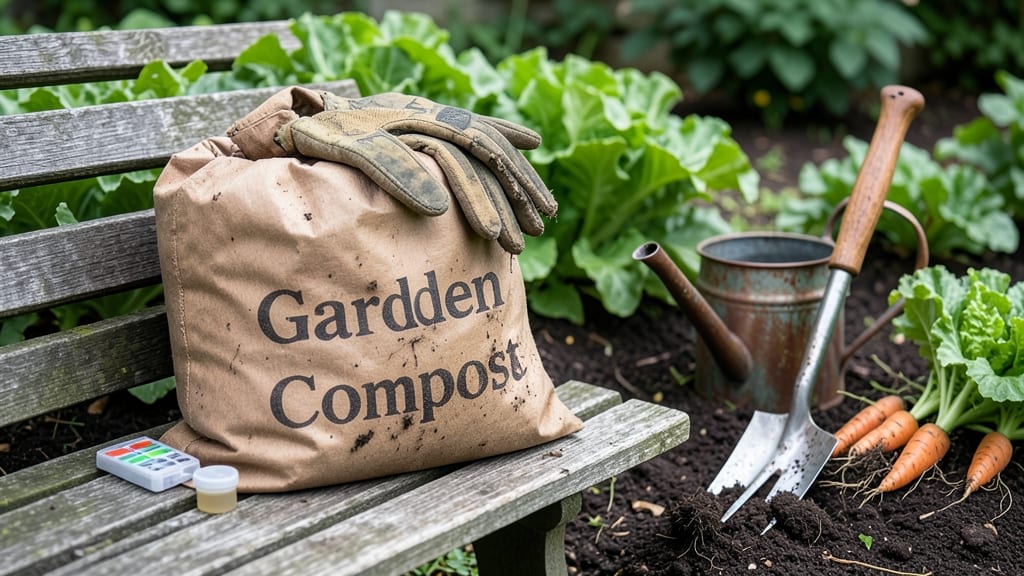
To determine how much cow manure for garden use, apply 1-2 inches per 100 square feet of fresh manure (aged 3-6 months) or 1-3 inches per season of composted manure, adjusting for soil type—sandy soil requires more while clay soil needs less—to prevent nutrient burn.
Cow manure's nutrient power comes from its nitrogen, phosphorus, and potassium (NPK) content, but fresh manure can burn plants if applied directly. 🌱 Aging transforms it into a safer, more effective soil amendment, while composted manure delivers a gentler, long-term boost.
I’ve found that mixing 1 inch of composted manure into the top 6 inches of soil before planting vegetables maximizes root development without overwhelming plants. For ornamental plants, a lighter ½-inch layer spread on the surface works better to avoid overfeeding.
Your soil type plays a critical role—sandy soils drain quickly, so they need up to 3 inches per season to retain nutrients, while clay soils benefit from just ½-1 inch to avoid compaction.
Always work manure into the top 2-3 inches of soil for best results, and consider splitting applications in spring and fall for continuous growth support.
💡 In This Article
- Cow Manure Nutrient Ratios by Soil Type and Plant Requirements
- Step-by-Step Guide to Preparing and Applying Cow Manure
Cow manure nutrient ratios by soil type and plant requirements
Cow manure’s nutrient powerhouse comes from its nitrogen (N), phosphorus (P), and potassium (K) content, but the ratios shift dramatically between fresh and composted forms. Fresh manure typically contains 0.5-1.0% nitrogen, but much of it’s in an ammonia form that can burn plant roots if applied directly.
Composted manure, however, stabilizes into a more balanced 0.5-1.5% nitrogen with higher phosphorus (0.3-0.7%) and potassium (0.5-1.0%)—ideal for gradual nutrient release. 🌱 The key difference? Fresh manure needs aging to break down urea into plant-accessible forms, while composted manure is ready to use immediately.
Soil type dictates how much manure your garden can handle. Sandy soils, with their fast drainage, need 2-3 inches per season to retain nutrients, while clay soils—dense and slow-draining—thrive on just ½-1 inch to avoid compaction. Loamy soils, the happy medium, do well with 1-2 inches spread evenly.
For vegetables like tomatoes or peppers, which are heavy feeders, I’ve found 1 inch of composted manure mixed into the top 6 inches of soil before planting delivers steady growth without overloading roots.
Ornamentals, like roses or lavender, prefer lighter applications—just ½ inch worked into the top 2 inches—to prevent nutrient burn.
The science behind this lies in microbial activity. Composted manure introduces beneficial bacteria and fungi that break down organic matter into usable nutrients, while fresh manure’s high ammonia content can disrupt soil microbes if overapplied.
Think of it like feeding your plants a slow-release fertilizer versus a sudden nutrient spike. 💫 For example, a 100-square-foot garden bed with sandy soil might need 200 cubic inches (about 1.2 cubic feet) of composted manure spread in early spring, while the same bed in clay soil would only require 50 cubic inches (0.3 cubic feet) to avoid smothering roots.
Plant-specific needs also matter. Leafy greens like lettuce or spinach benefit from a lighter touch—just ½ inch of composted manure—since they absorb nutrients quickly and don’t need heavy feeding.
On the other hand, fruiting plants like berries or squash crave more, with 1-2 inches of composted manure applied in early spring and again after harvest. The trick is to match the manure’s nutrient release rate to your plants’ growth stages, ensuring they get a steady supply without waste.
Overapplication is a common mistake, especially with fresh manure. Too much can create an anaerobic environment, leading to foul odors and harmful gases like ammonia or hydrogen sulfide.
To avoid this, always age fresh manure for 3-6 months in a pile or bin before using it, and test your soil’s pH—ideal levels are 6.0-7.0 for most plants.
A simple soil test kit can tell you if your garden is nitrogen-deficient or if phosphorus is the limiting factor, helping you fine-tune your manure application for peak performance.
For a real-world example, imagine a 500-square-foot vegetable garden with loamy soil. You’d apply 500 cubic inches (about 3 cubic feet) of composted manure in early spring, mixing it into the top 6 inches of soil.
After harvesting, another 250 cubic inches (1.5 cubic feet) in late summer keeps the soil fertile for fall crops. This balanced approach ensures your plants get the nutrients they need without the risk of overloading the soil.