
Light Requirements
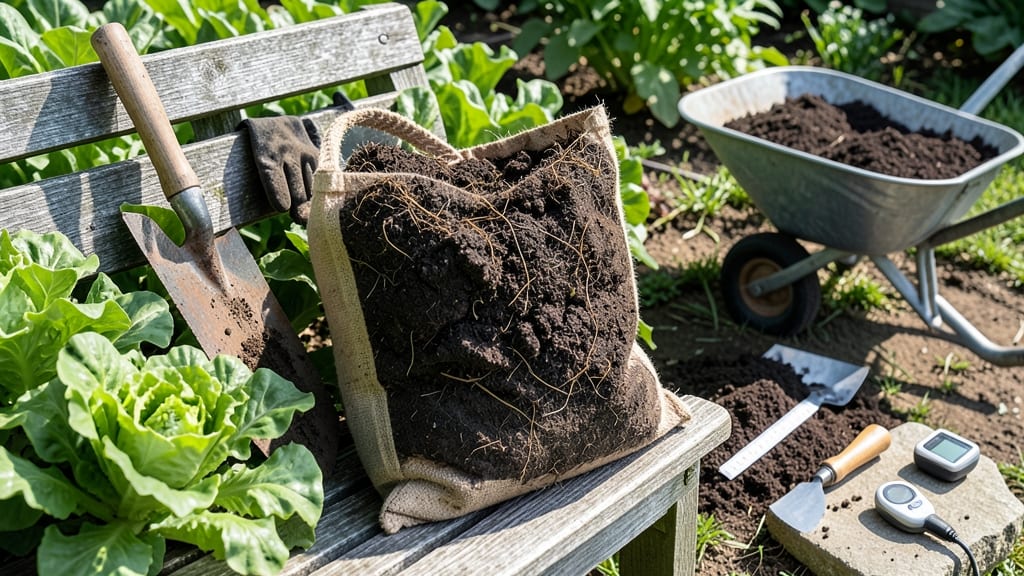
How much manure for garden depends on soil type and plant needs: use 1-2 inches of well-aged manure per square foot for vegetables, 2-3 inches for heavy feeders like tomatoes, and mix lightly into top 6 inches of soil. Avoid fresh manure to prevent burning plants—compost it first for 3-6 months.
Figuring out how much organic matter to add to your garden isn't just about throwing on piles of manure—it's about balancing nutrients with your soil's existing health. 🌱 Most garden soils need between 2-5% organic matter to thrive, and manure helps bridge that gap.
For example, leafy greens like lettuce only need a light 1-inch layer spread over the bed, while nitrogen-hungry crops like corn or squash can handle up to 3 inches when mixed into the topsoil.
The key is testing your soil first; many gardeners skip this step and end up either underfeeding plants or creating nutrient runoff.
Another critical factor is timing—applying manure in fall gives it months to break down before planting season, while spring applications should be done at least 4-6 weeks before sowing seeds.
I've seen too many gardeners rush this process and end up with plants that look like they've been sunburned from over-fertilization.
Always work the manure into the top 6 inches of soil rather than just scattering it on top, which prevents nutrient loss and ensures roots can access what they need.
💡 In This Article
- Manure-to-Soil Ratios by Plant Type and Nutrient Needs
- Step-by-Step Guide to Applying Manure Safely in Gardens
Manure-to-soil ratios by plant type and nutrient needs
The right amount of manure depends entirely on what you're growing. Leafy greens like spinach and kale only need a light 1-inch layer per square foot because they're light feeders—too much nitrogen will make them bolt prematurely.
On the other hand, fruiting plants like tomatoes and peppers are heavy feeders that can handle 2-3 inches of well-aged manure per square foot, thanks to their high demand for nitrogen, phosphorus, and potassium during flowering and fruiting stages. 🌱 The difference comes down to how quickly plants absorb nutrients: root crops like carrots and beets need less (1-1.5 inches) because their energy goes into root development rather than foliage growth.
Here's where soil testing becomes your best friend. Most garden soils should have 2-5% organic matter for optimal plant health, and manure helps achieve this.
A soil test will tell you your current organic matter percentage—if you're below 2%, you'll need to add more manure (or compost) to build soil structure.
For example, sandy soils with 1% organic matter might need 3-4 inches of manure per square foot, while clay soils with 4% organic matter only need 1-2 inches.
The nitrogen-to-carbon ratio (C:N) matters too: well-aged manure typically has a 20:1 ratio, which is ideal for decomposition without burning plants.
What most gardeners overlook is how manure breaks down over time. Fresh manure has a 10:1 C:N ratio, which means it can heat up to 160°F as it decomposes—hot enough to kill plant roots and seeds. That's why composting for 3-6 months is non-negotiable.
During this time, the C:N ratio improves to 15:1 or better, and harmful pathogens are eliminated. I've seen gardeners use fresh manure and end up with plants that look like they've been scalded, with crispy brown edges on leaves. The takeaway?
Always compost first, even if it means waiting an extra season.
Consider these key factors when choosing manure types:
- Cow manure: High in nitrogen but needs 6-12 months to compost due to its coarse texture
- Chicken manure: Extremely rich in nitrogen but must be composted for 6+ months to avoid burning plants
- Horse manure: Balanced nutrients with a 25:1 C:N ratio when fresh, ideal for building soil structure
- Rabbit manure: Gentle and ready to use immediately (great for potted plants)
The texture of manure also affects how much you need. Finely shredded manure breaks down faster and can be applied in thinner layers (0.5-1 inch), while chunky manure requires 1.5-2 inches to achieve the same nutrient release.
For example, a 10x10-foot garden bed for tomatoes would need about 20-30 pounds of well-aged cow manure (assuming 1.5 inches depth), but only 10-15 pounds of rabbit manure due to its higher nutrient concentration. Always weigh your manure rather than guessing by volume—soil density varies wildly between types.
One final pro tip: mix manure into the top 6 inches of soil rather than just spreading it on the surface. This creates a nutrient-rich zone where roots can access what they need without leaching.
For container gardens, blend manure into the potting mix at a 10-20% ratio—just enough to boost fertility without compacting the soil. 🌿 The goal is to mimic nature's slow-release system, where organic matter breaks down gradually over seasons rather than all at once.