
Planting
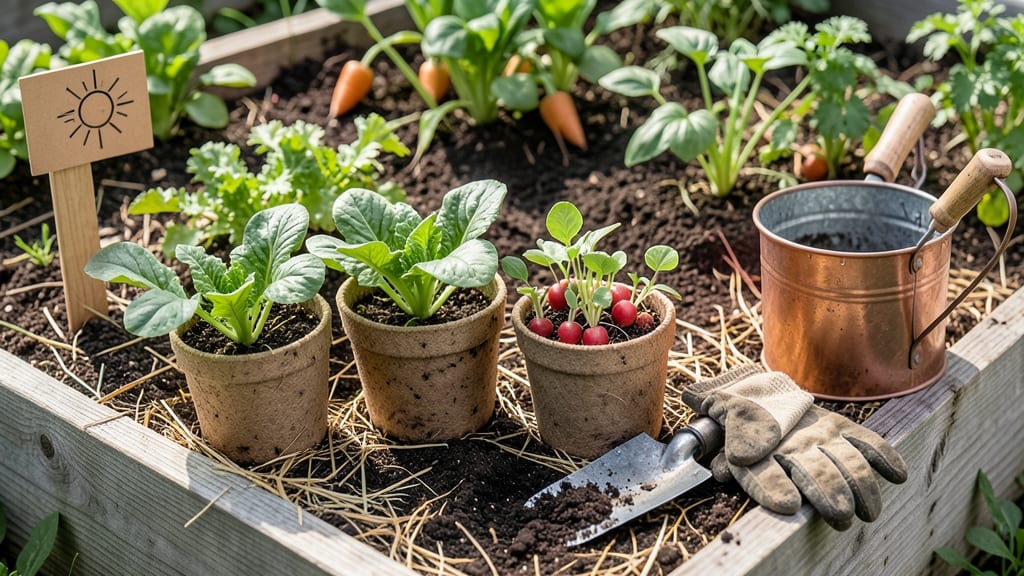
Planting a garden in the best place means choosing a spot with full sun exposure (6+ hours daily), well-draining soil rich in organic matter, and protection from strong winds. Avoid low-lying areas prone to frost or waterlogging for optimal plant health and yield.
Finding the perfect garden spot isn't just about clearing space—it's about creating an environment where plants can thrive. 🌱 The right location maximizes photosynthesis by ensuring your plants get enough sunlight, while proper soil drainage prevents root rot.
I always test soil pH and add compost to boost nutrients, especially in urban areas where soil quality is often poor. Even a small backyard can work if you position sun-loving plants near south-facing walls and shade-tolerant varieties under trees.
Climate plays a surprisingly big role too.
Microclimates—like the warmer microclimate near a brick wall—can extend growing seasons, while frost pockets in low areas might delay spring planting. 🌡️ Pay attention to wind patterns: exposed spots can stress delicate plants, while sheltered areas create ideal conditions for herbs and leafy greens.
The best garden locations balance these factors to give you the most productive—and beautiful—harvest possible.
💡 In This Article
- How Sunlight, Soil, and Climate Affect Garden Success
- Step-by-Step Guide to Selecting the Ideal Garden Spot
How sunlight, soil, and climate affect garden success
Sunlight is the lifeblood of photosynthesis, and plants convert 6+ hours of direct sunlight daily into energy through chlorophyll. Leafy greens like spinach need only 4-6 hours, while tomatoes and peppers thrive with 8+ hours—their fruit production depends on intense light.
The angle matters too: south-facing spots in the Northern Hemisphere receive the most sunlight, while east-facing areas get gentle morning warmth. Without enough light, plants grow leggy and weak, a sign they're stretching toward any available photons in a desperate bid for energy.
Soil isn't just dirt—it's a living ecosystem where roots breathe and nutrients dissolve. Ideal garden soil has 5-10% organic matter (like compost) to retain moisture while allowing excess water to drain. Clay-heavy soil traps moisture and suffocates roots, while sandy soil drains too quickly, starving plants of nutrients.
The perfect balance is loamy soil with 40-60% mineral particles, 20-30% organic matter, and 20-30% air and water. A simple test: squeeze a handful—it should crumble when dry but hold shape when moist. 🌱
Climate creates microclimates that can make or break your garden. A brick wall absorbs heat during the day and radiates it at night, extending the growing season by 2-4 weeks in cooler zones.
Conversely, low-lying areas collect cold air, creating frost pockets where tender plants like basil or peppers won't survive. Humidity also plays a role: fungal diseases thrive in damp conditions, so raised beds improve airflow.
Even wind patterns matter—strong breezes dry out soil and damage delicate stems, while sheltered spots create ideal conditions for herbs and leafy greens.
Temperature extremes stress plants, but some varieties adapt better. Heat-loving crops like okra and sweet potatoes thrive in 80-90°F conditions, while cool-season greens prefer 60-70°F. The key is matching plants to your climate's natural rhythms.
For example, in Zone 5, plant heat-loving tomatoes after the last frost (around May 15), but start cool-season kale in early spring or late summer for fall harvests. This timing ensures plants grow when conditions align with their needs.
Rainfall patterns influence irrigation needs too. Areas with 20-30 inches of annual rainfall often need minimal watering, while drought-prone regions require drip irrigation or mulch to retain moisture. Even in rainy climates, proper drainage prevents root rot—soil should feel like a damp sponge, not a soggy rag.
Test drainage by digging a hole, filling it with water, and timing how long it takes to drain: 4-6 hours is ideal; anything slower signals poor drainage.
What most gardeners overlook is how these factors interact. A sunny spot with poor soil won't produce much, just like a shady area with perfect soil will struggle. The best locations balance all three: ample light, fertile soil, and climate protection.
For example, a south-facing raised bed with compost-amended soil and windbreaks creates an optimal microclimate that maximizes growth while minimizing stress. 🌿