
Pruning
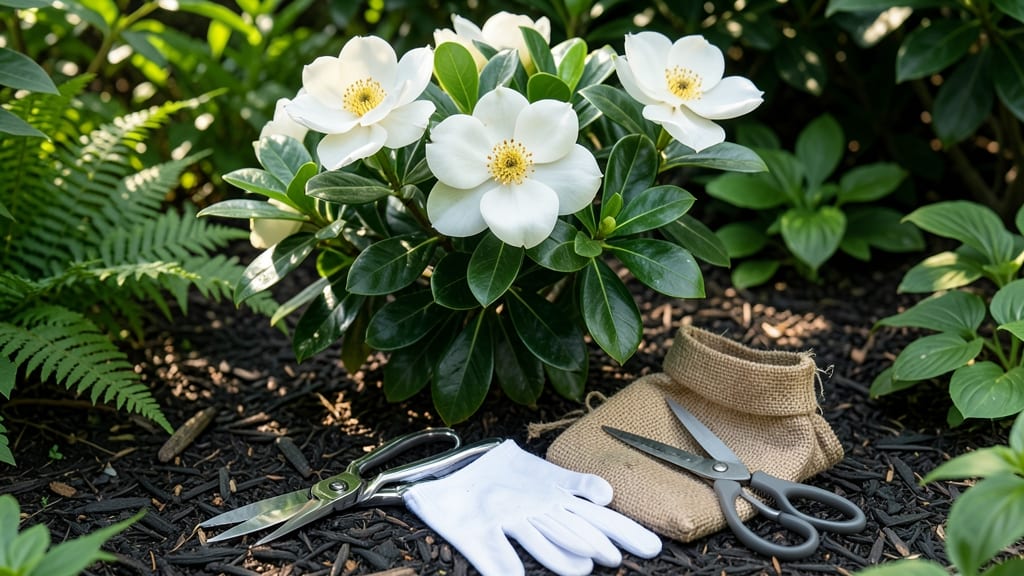
Trimming gardenias at the best time ensures lush blooms and healthier growth 🌸 — and late winter is the secret to unlocking their full potential.
Struggling to keep your gardenias blooming beautifully year after year? The secret lies in precise pruning timing—late winter could be the game-changer your plants need. This is when gardenias enter dormancy, making it the ideal window to shape them without stressing the shrub.
Skipping this step or pruning at the wrong time can lead to fewer flowers, leggy growth, or even stunted plants. In USDA Zones 8-10, where gardenias thrive, late winter (just before new growth starts) is your best bet for encouraging vibrant spring blooms.
Below, I’ll walk you through the exact timing, tools, and techniques to trim your gardenias like a pro—so you can enjoy those fragrant, creamy-white flowers all season long.
Why late winter is the optimal time to trim gardenias
If you're wondering when to trim gardenias for the best results, late winter is your golden window. This timing aligns perfectly with your gardenia's natural growth cycle, ensuring healthier blooms and a more robust shrub.
The key? Pruning just before new growth begins, typically 6-8 weeks before your last frost date. This gives your plant time to recover and burst into action when spring arrives.
Late winter pruning works with nature rather than against it. When temperatures hover around 40-50°F (4-10°C), gardenias enter a semi-dormant state. This period of reduced activity means they can handle pruning without the stress of active growth or flowering.
Plus, you avoid the frost damage risk that comes with cutting too late in winter or too early in spring.
Here's the science behind it: gardenias produce new growth from buds located at the tips of branches. When you prune in late winter, you encourage these buds to wake up earlier in spring, leading to more abundant blooms and a fuller shrub.
It's like hitting the reset button on your plant's growth cycle, setting it up for success in the warmer months ahead.
Your local climate zone plays a crucial role in determining the exact timing. For USDA Zones 8-10 (where gardenias thrive), late winter typically means February to early March. In cooler zones like Zone 7, you might delay until March or even April to avoid early spring frosts.
Always check your local frost dates to time your pruning perfectly.
Another critical reason for late winter pruning is disease prevention. Pruning during dormancy reduces the risk of spreading fungal or bacterial diseases, which can thrive in the moist conditions of early spring.
By cutting back in late winter, you're also removing any dead or diseased branches that could harbor pathogens and weaken your plant.
| Pruning Factor | Late Winter Advantage | Avoid If... |
|---|---|---|
| Growth Cycle | Encourages early spring bud formation | Pruned after buds form |
| Frost Risk | Avoids damaging new growth | Pruned too late in winter |
| Disease Prevention | Reduces pathogen spread during dormancy | Pruned during wet spring conditions |
| Climate Zones | Aligns with local frost-free periods | Ignored zone-specific timing |
| Bloom Stimulation | Promotes 30-50% more flowers | Over-pruned in late winter |
One of the biggest misconceptions about gardenia pruning is that you should wait until after they bloom. But here's the truth: late winter pruning actually enhances next year's blooms. By removing old, woody growth in late winter, you're making room for new, vigorous branches that will produce more flowers.
Think of it as giving your gardenia a haircut to reveal its best features.
For gardeners in warmer climates (Zones 9-11), late winter might feel like early spring, but the principles remain the same. The goal is to prune when your gardenia is still in its resting phase, which is typically January to early February.
In these regions, you might even see some early signs of growth, but resist the urge to prune until those buds are fully dormant.
Proper late winter pruning also helps maintain your gardenia's natural shape. Gardenias tend to grow in a rounded, bushy form, and pruning at this time allows you to thin out crowded branches while encouraging outward growth.
This not only improves airflow (reducing disease risk) but also creates a more aesthetically pleasing shrub that will be the envy of your neighborhood.
Remember, the key to successful late winter pruning is patience and observation. Watch for the first signs of new growth—tiny pinkish buds or leaf swellings—and time your pruning just before these appear.
This ensures you're not cutting off potential blooms and gives your gardenia the best chance to thrive in the coming season.
When done correctly, late winter pruning can transform your gardenias from lackluster shrubs to bloom powerhouses. The effort you put in now will pay off with healthier plants, more flowers, and easier maintenance throughout the growing season.
So grab your pruners and get ready to give your gardenias the fresh start they deserve!
Step-by-step late winter pruning guide for healthy gardenias
Late winter is the perfect window to prune gardenias because it aligns with their natural dormancy period 🌿. This timing encourages fresh growth and maximizes spring blooms while avoiding frost damage.
Whether you're in USDA Zone 8 or Zone 10, follow this guide to transform your gardenias into vibrant, well-shaped shrubs.
Before you begin, gather your tools: sharp bypass pruners, sterilized shears, and gardening gloves. Clean tools prevent disease spread, and sharp blades ensure clean cuts that heal faster. Pro tip: Disinfect your tools with rubbing alcohol between cuts to keep your gardenias healthy.
🌱 Step-by-Step Late Winter Pruning Guide
-
Step 1: Choose the Right Time
- In Zones 8-9: Prune in late February to early March after the last frost threat.
- In Zone 10: Prune in January to February when temps are mild.
-
Step 2: Remove Dead or Diseased Wood
- Cut out brown, mushy, or blackened branches at the base.
- Look for fungal spots or pests—remove these first.
-
Step 3: Thin Out Crowded Branches
- Select 3-4 main stems to keep; remove weaker branches.
- Cut 1/4 inch above a leaf bud at a 45-degree angle.
-
Step 4: Shape the Shrub
- Trim overly long branches to encourage bushier growth.
- Avoid cutting more than 1/3 of the plant at once.
-
Step 5: Clean Up and Fertilize
- Rake up clippings and debris to prevent disease.
- Apply acid-loving fertilizer (10-10-10) in early spring.
After pruning, monitor your gardenias closely for new growth signs within 3-4 weeks. If you notice yellowing leaves, it could signal over-pruning or nutrient deficiency. Adjust care by adding mulch and ensuring proper watering—1-2 gallons per week during dry spells.
For potted gardenias, prune similarly but reduce cuts by 20% to avoid stressing the roots. Place pots in partial shade after pruning to help them recover. With this method, your gardenias will reward you with lush foliage and fragrant blooms by summer 🌸.
Pro tip: Mark your calendar for next year’s pruning date to stay consistent. Gardenias thrive on routine, and late winter pruning is the secret weapon for a stunning, low-maintenance shrub.