
Container Gardens
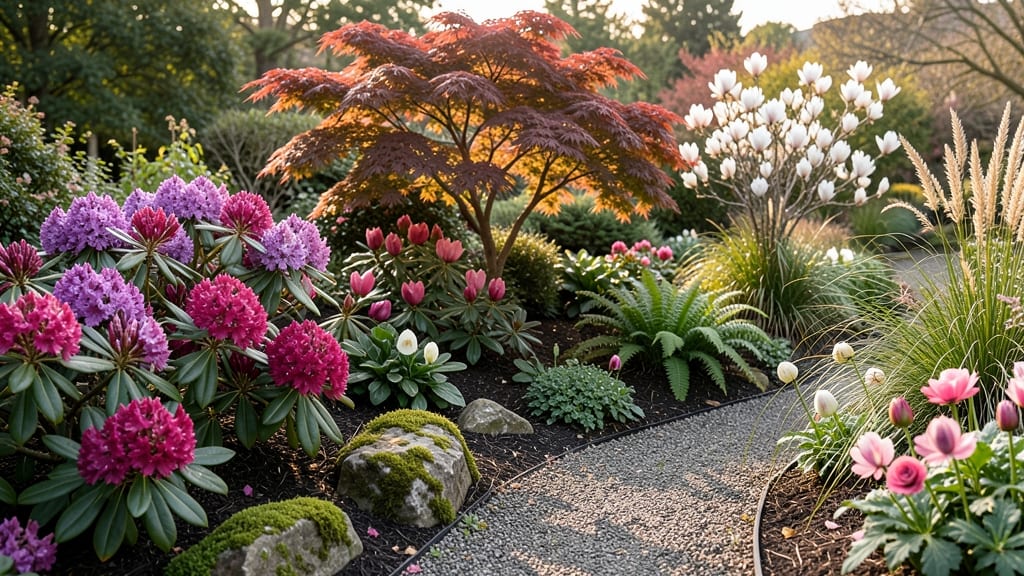
Exploring botanical gardens in Belfast reveals a world of Victorian glasshouses, rare plant species, and meticulously curated outdoor trails—from the grand Palm House to vibrant seasonal displays like tulip festivals and winter illuminations. Best of all, admission is completely free.
This urban oasis blends history with nature, offering 19th-century horticultural architecture alongside modern conservation efforts. 🌿 The gardens' five glasshouses showcase everything from tropical orchids to delicate ferns, while the 12-acre outdoor gardens provide serene walking paths year-round.
Whether you're admiring the 1,500 plant species or attending seasonal events like the Christmas lights display, Belfast Botanical Gardens delivers a refreshing escape without breaking the bank.
The Victorian Palm House alone is worth the visit, serving as both a botanical treasure and a testament to Belfast's industrial heritage.
What makes this spot truly special is how it combines educational exhibits with pure recreational beauty—perfect for families, photographers, or anyone craving a peaceful nature fix in the city center.
💡 In This Article
- Belfast Botanical Gardens’ Unique Plant Collections and Glasshouse Wonders
- Best Times to Visit Belfast Botanical Gardens for Seasonal Magic
Belfast botanical gardens’ unique plant collections and glasshouse wonders
The gardens' star attraction is the Victorian Palm House, built in 1840 using iron and glass—a revolutionary design at the time that allowed natural light to flood the interior while maintaining precise temperature control.
This architectural marvel creates a 25°C (77°F) tropical microclimate year-round, housing over 1,000 plant species including towering monstera deliciosa and delicate orchids. The iron framework alone weighs 30 tons, showcasing 19th-century engineering that still functions perfectly today. 🌿
Beyond the Palm House, the gardens feature five specialized glasshouses, each maintaining unique environmental conditions. The Fernery maintains 90% humidity to protect rare ferns like the king fern (Osmunda regalis), while the Japanese Garden recreates a shaded woodland atmosphere with 20°C (68°F) temperatures.
Conservation efforts focus on endangered species like the Madagascar palm (Dypsis decaryi), which requires precise light levels and 60% humidity to thrive. The gardens' botanists monitor these conditions using digital climate sensors placed throughout each glasshouse.
What makes these collections special is their educational value. The Palm House contains interactive displays explaining plant propagation techniques, while the Alpine House demonstrates how high-altitude plants adapt to low temperatures (5-10°C/41-50°F).
Visitors can observe carnivorous plants like the Venus flytrap (Dionaea muscipula) in action, with their 0.01-second trap closure mechanism triggered by insect touch. This hands-on approach makes the gardens a living classroom for plant biology. 🌱
The outdoor gardens complement these indoor wonders with 12 acres of themed trails, including a sensory garden designed for visually impaired visitors using textured plants like lamb's ear and fragrant lavender.
The wildflower meadow supports over 30 species of native pollinators, while the conifer collection features trees over 100 years old.
What most visitors don't realize is how the gardens' soil composition varies by section—from acidic peat for rhododendrons to alkaline limestone for Mediterranean species, all carefully managed by the horticulture team.
The gardens' seasonal plant rotations create dynamic displays throughout the year. In spring, 20,000 tulip bulbs bloom in synchronized waves, while autumn brings Japanese maples with foliage ranging from deep purple to vibrant orange.
The winter lights display transforms the Palm House into a 10,000-bulb illuminated forest, using LED technology that reduces energy consumption by 40% compared to traditional bulbs. This careful planning ensures year-round interest while maintaining the gardens' £500,000 annual conservation budget.
What truly sets Belfast Botanical Gardens apart is their dual role as both a scientific institution and public park. While the 1,500 plant species include many rare varieties, the gardens prioritize accessibility—free admission and wheelchair-friendly paths ensure everyone can enjoy the collections.
The volunteer-led plant identification service offers personalized tours where experts can point out specific leaf structures or flower anatomies using magnifying glasses. This combination of scientific rigor and public enjoyment creates an experience you won't find in most urban botanical gardens. 🌟