
Container Gardens
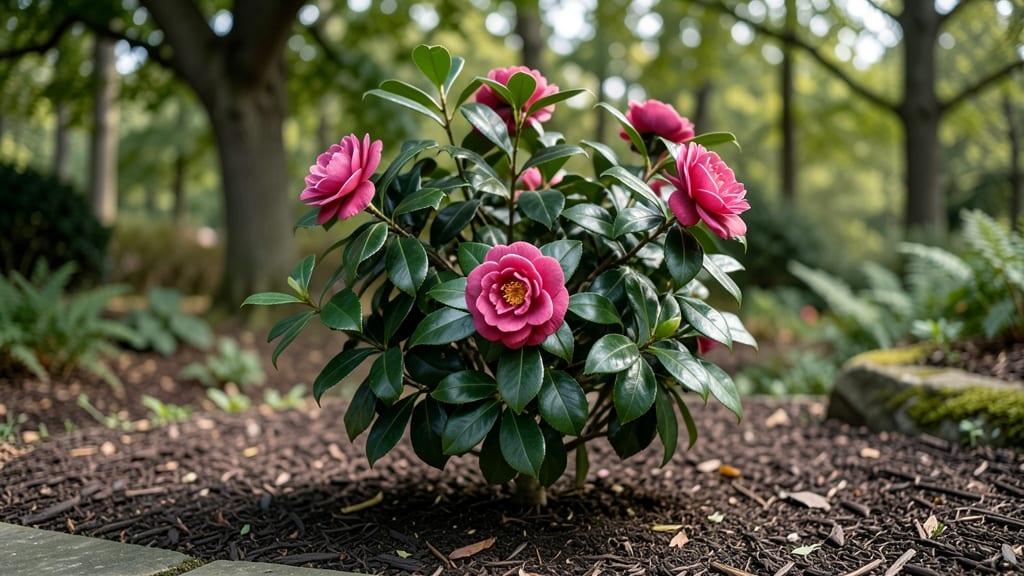
Gainesville's botanical gardens feature stunning collections of native Florida plants, exotic palms, and themed gardens like the Kanapaha Botanical Gardens and Butterfly Rainforest. These vibrant spaces combine educational programs, seasonal displays, and peaceful walking trails perfect for all visitors.
Gainesville's botanical gardens stand out as living classrooms where nature and education blend seamlessly. 🌿 The city's most famous gardens, including the Kanapaha Botanical Gardens, offer over 2,000 plant species across 40 acres, while the Butterfly Rainforest creates a magical experience with its tropical glasshouse.
These spaces aren't just beautiful—they're carefully curated to highlight Florida's unique ecosystems and conservation efforts.
What makes these gardens special is their year-round appeal, with each season revealing different highlights. Spring brings vibrant wildflowers and blooming orchids, while fall showcases fiery foliage and rare cycads. The gardens also host regular workshops and guided tours, making them ideal for both casual visitors and serious plant enthusiasts.
For those planning a visit, I recommend checking the seasonal bloom calendars and arriving early to explore the lesser-known trails. The Gainesville Arboretum nearby offers additional native plant collections, creating a perfect botanical tour route.
Don't forget your camera—the lighting during golden hours creates stunning photography opportunities throughout these lush landscapes.
💡 In This Article
- Native Florida Plants and Ecosystems in Gainesville Gardens
- Best Times to Visit and Hidden Gems in Gainesville’s Botanical Gardens
Native Florida plants and ecosystems in Gainesville gardens
Gainesville's botanical gardens serve as vital conservation hubs for native Florida species that have evolved remarkable adaptations to the region's humid subtropical climate. Take the coontie palm (Zamia integrifolia), for example—a cycad that thrives in sandy soils and drought conditions by storing water in its thick, fleshy roots.
These ancient plants, which predate dinosaurs, play a crucial ecological role by providing food for endangered species like the gopher tortoise, whose burrows create habitats for over 350 other species. 🌱
The gardens' orchid collection showcases another fascinating adaptation: Florida's native orchids, like the lady's slipper (Paphiopedilum), have evolved intricate relationships with specific pollinators. Their waxy, leathery leaves conserve moisture while their unique flower structures guide pollinators like bees and butterflies to precisely deposit pollen.
In Kanapaha Gardens, you'll find over 50 species of Florida orchids, including the rare ghost orchid (Dendrophylax lindenii), which lacks chlorophyll and relies entirely on fungal relationships for nutrients.
What makes these ecosystems particularly valuable is their role in water filtration and flood control. Native plants like saw palmetto (Serenoa repens) and live oak (Quercus virginiana) have deep root systems that stabilize soil and absorb excess rainfall, preventing erosion.
The Butterfly Rainforest demonstrates this perfectly with its 1,000-square-foot tropical glasshouse featuring 20 species of native ferns that thrive in high humidity while maintaining the delicate balance of the ecosystem.
For visitors interested in hands-on learning, the gardens offer propagation workshops where you can see how native seeds germinate under controlled conditions.
The seed bank collection contains over 1,200 species, including rare varieties like the Florida torreya (Torreya taxifolia), a critically endangered conifer found only in a few wild populations. These conservation efforts ensure that future generations can experience Florida's botanical heritage firsthand.
One often-overlooked aspect is how these plants support pollinators. The wild coffee (Psychotria nervosa), for instance, produces tiny white flowers that attract hummingbirds, while firebush (Hamelia patens) flowers provide nectar for butterflies year-round.
During peak bloom seasons, you might spot 10+ species of butterflies in a single afternoon, creating a dynamic living tapestry that connects Florida's flora and fauna in remarkable ways.
For those planning a deeper exploration, the Gainesville Arboretum offers extended trails where you can observe these ecosystems in their natural state. The 1.5-mile Nature Trail winds through native forests featuring 200-year-old live oaks and sand pine scrub communities—habitats that support endangered species like the red-cockaded woodpecker.
This trail provides a stark contrast to the curated gardens while demonstrating how native plants create self-sustaining ecosystems.