
Container Gardens
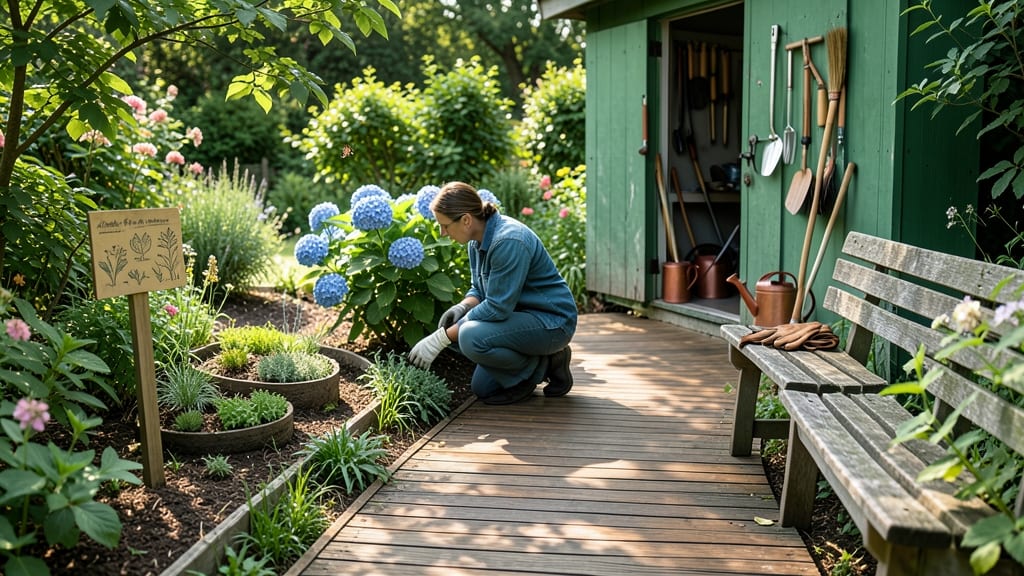
Botanical Gardens Ogden is a vibrant showcase of Utah's plant diversity, featuring meticulously designed themed gardens like the desert botanical display and serene Japanese garden, along with seasonal blooms and native plant collections. This year-round destination offers something new for plant enthusiasts and photographers in every season.
Ogden's botanical gardens thrive thanks to Utah's unique climate, which creates perfect conditions for both desert-adapted plants and lush temperate species. 🌵 The desert botanical display features drought-resistant cacti and succulents that demonstrate how plants survive in arid conditions, while the Japanese garden provides a peaceful contrast with its carefully arranged koi ponds and meticulously pruned trees.
What makes this garden special is how it balances education with beauty - visitors can learn about native Utah flora while enjoying stunning photography opportunities in every section.
Themed gardens like the pollinator-friendly zones and rock gardens offer hidden treasures for those willing to explore beyond the main paths. I always recommend visiting during the early morning for the best lighting and fewer crowds, especially in the Japanese garden where the light filters beautifully through the maple trees.
These lesser-known areas often provide the most memorable experiences, from spotting native bees in the pollinator garden to discovering rare alpine plants in the rock formations.
💡 In This Article
- Seasonal Plant Collections at Ogden Botanical Gardens
- Hidden Gems and Must-See Gardens in Ogden’s Botanical Center
Seasonal plant collections at Ogden botanical gardens
Ogden's botanical gardens showcase how Utah's semi-arid climate creates ideal conditions for both native and adapted species. The desert botanical display features over 50 varieties of drought-resistant plants like the Agave parryi, which stores water in its thick leaves to survive 90°F+ temperatures with minimal rainfall.
These plants use a process called CAM photosynthesis—opening their stomata at night to conserve moisture—making them perfect for Ogden's 200+ sunny days annually. 🌵
The spring collection transforms with 15,000+ tulip bulbs planted in early winter, timed to bloom when daytime temperatures reach 55-65°F. Gardeners use a technique called "bulb forcing" where they plant bulbs deeper than usual to create a cooler microclimate that extends the bloom period by 3-4 weeks.
The summer gardens focus on xeric landscaping, featuring plants like Yucca glauca that thrive with less than 10 inches of annual rainfall—about half of Ogden's average.
Fall brings vibrant foliage displays using Utah-native maples and serviceberry trees, whose leaves change color due to anthocyanin production—compounds that develop when cooler nights (40°F) and warm days (65°F) trigger sugar breakdown in leaves.
The winter collections feature evergreen shrubs like Juniperus scopulorum that maintain their green color through Utah's occasional -10°F temperatures by producing antifreeze proteins in their cells.
What makes these collections special is the microclimate layering technique used throughout.
The Japanese garden creates a 10°F cooler environment through strategic placement of stone lanterns and water features that increase humidity, while the desert display uses gravel mulch to reflect sunlight and reduce soil temperatures by 15°F compared to surrounding areas.
Visitors often ask why certain plants thrive when others fail. The key is understanding Utah's USDA Hardiness Zone 5b-6a classification combined with Ogden's 300-foot elevation advantage over Salt Lake City. This creates a 5-7°F warmer microclimate that extends growing seasons by 2-3 weeks at both ends.
The garden's drip irrigation system delivers water precisely to roots while minimizing evaporation, using 60% less water than traditional sprinklers.
For photography enthusiasts, the golden hour (one hour before sunset) creates magical lighting conditions, especially in the Japanese garden where the 45° angle of the setting sun enhances the texture of hosta leaves and maple bark.
The desert display offers dramatic shadows at 10:00 AM when the sun is directly overhead, creating striking contrasts between light and dark foliage.