
Container Gardens
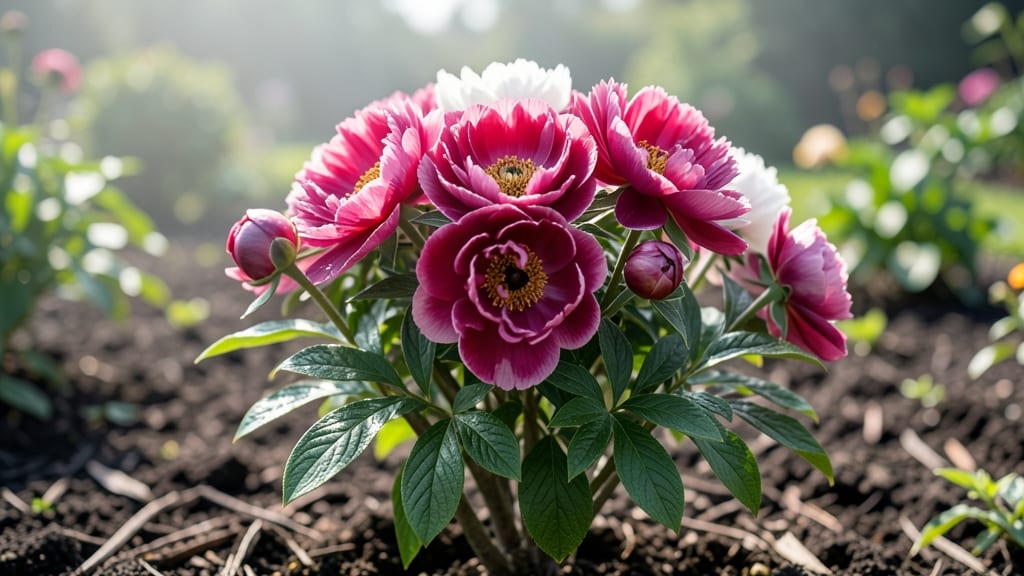
The best botanical gardens in Philly—Longwood Gardens, Bartram’s Garden, and Morris Arboretum—offer stunning seasonal displays, rare plant collections, and historic landscapes that showcase Philadelphia's rich gardening heritage.
Philadelphia’s botanical gardens aren’t just green spaces—they’re living museums where history and horticulture blend seamlessly. 🌿 At Longwood Gardens, you’ll find the legendary Peony Garden, while Bartram’s Garden preserves native flora that dates back to colonial times.
Morris Arboretum, with its towering tree canopy, feels like stepping into a fairy tale. Each garden has its own personality, from formal European-style layouts to wild, native plant meadows.
What sets these gardens apart is their year-round appeal. Spring brings vibrant blooms, summer offers lush foliage, and fall delivers breathtaking foliage displays. 🍂 I always recommend visiting during their signature events—like Longwood’s Fountain Show or Morris Arboretum’s Christmas Tree Lighting>—for unforgettable experiences.
Plus, many gardens offer free admission on certain days, making them accessible to everyone.
💡 In This Article
- Philly Botanical Gardens: Unique Plant Collections and Historical Significance
- Seasonal Highlights and Visitor Tips for Philly Botanical Gardens
Philly botanical gardens: unique plant collections and historical significance
Longwood Gardens' fame stems from its 2,500 peony varieties—the largest collection in the world—where each bloom unfolds like a delicate silk flower in late May to June. These peonies aren't just ornamental; they're living history, with some cultivars dating back to 19th-century European nurseries.
The garden's 10-acre Peony Garden creates a sensory overload with their intoxicating fragrance, a trait bred into many varieties through centuries of horticultural selection. 🌸 What's fascinating is how these plants thrive in Philadelphia's humid summers thanks to their deep root systems, which can extend up to 3 feet underground to access moisture.
Bartram’s Garden takes a different approach by focusing on native North American flora, including rare species like the Franklin Tree—named after Benjamin Franklin—now found only in this garden and a few other collections.
Established in 1728, it's the oldest botanical garden in the U.S., where John Bartram, a self-taught botanist, cultivated plants for European scientists like Carl Linnaeus.
The garden's 18th-century colonial kitchen garden demonstrates how early Americans grew medicinal herbs and vegetables, with some plants still used today in modern herbal remedies. This connection to Philadelphia's founding era makes it feel like walking through a living history book.
The Morris Arboretum's star feature is its 200-acre tree canopy, home to 16,000+ trees representing 2,000+ species. What makes this collection unique is its focus on woody plants from around the world, including rare specimens like the Ginkgo biloba (a living fossil) and Japanese snowbell trees.
The arboretum's 1906 conservatory maintains tropical plants that would otherwise perish in Philadelphia's climate, creating microclimates with precise temperature and humidity controls.
This conservation mission extends beyond aesthetics—many species here serve critical ecological roles, like the American chestnut, which was nearly wiped out by blight but survives in genetically resistant forms at Morris Arboretum.
Each garden's founding story reveals Philadelphia's deep connection to horticulture. Longwood was created by Pierre S. du Pont in 1906 as a tribute to his wife's love of flowers, while Bartram's began as a private collection that became a scientific resource.
Morris Arboretum, established in 1893, was a gift from John Morris to honor his wife, blending European garden design with American native plant conservation. These histories explain why each garden feels distinct—whether it's Longwood's formal European layouts, Bartram's wild meadows, or Morris's structured tree collections.
What most visitors don't realize is how these gardens contribute to modern conservation. Longwood's Peony Conservation Program preserves heirloom varieties, while Bartram's works with native plant propagation> to restore local ecosystems. Morris Arboretum partners with universities to study urban forestry solutions for cities facing climate challenges.
This scientific work happens alongside their public displays, making each visit both beautiful and meaningful. 🌿 The gardens' living collections aren't just decorative—they're active participants in preserving biodiversity and adapting to environmental changes.
For plant enthusiasts, the technical details reveal even more magic. Longwood's peonies use a rhizomatous root system that spreads horizontally, allowing them to multiply while maintaining their vigor.
Bartram's native plants often have deep taproots adapted to Philadelphia's clay soil, while Morris Arboretum's trees demonstrate incredible adaptability—some species like the London Plane> can survive air pollution and extreme temperatures. These botanical adaptations explain why each garden feels so uniquely alive year-round.