
Planting
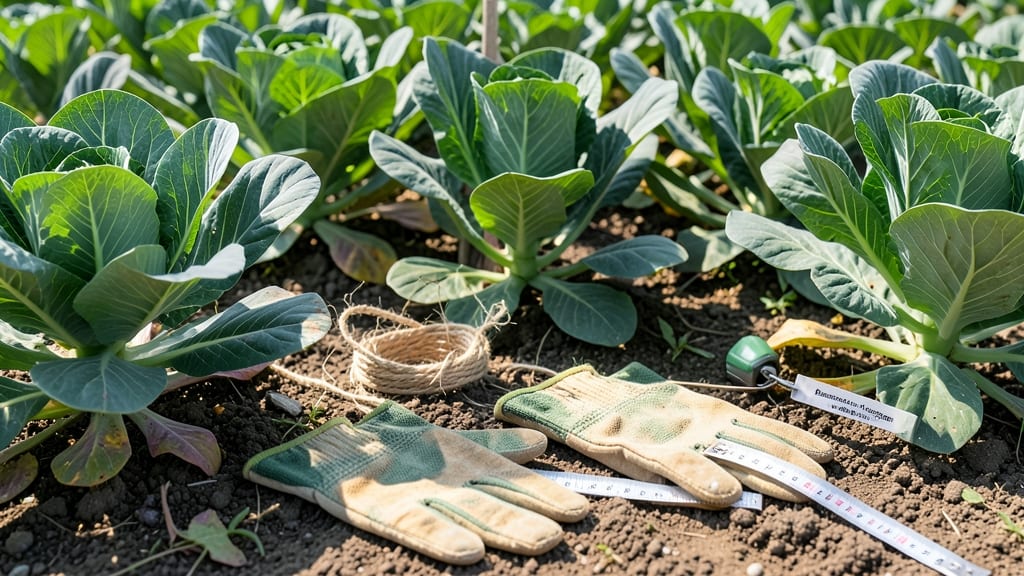
Proper cabbage garden spacing is the secret to bigger heads, fewer diseases, and easier harvests—don’t let crowded plants rob you of a great yield.
Picture this: you’ve spent weeks nurturing your 🥬 seedlings, only to watch them bolt or rot because they’re packed too tight. That’s the reality when spacing gets ignored. The right distance between plants isn’t just about aesthetics—it’s about airflow, sunlight access, and giving roots room to grow.
In Zone 6a, most cabbage varieties need 12-18 inches between plants and 2-3 feet between rows. But here’s the catch: smaller Asian greens can handle tighter spacing, while large Savoy types demand more elbow room.
Get it wrong, and you’ll end up with stunted growth or a garden full of pests.
Below, I’ll break down the exact spacing rules for your cabbage type, plus how to adjust for containers or high-density planting. You’ll learn why 18 inches might be your sweet spot—and when to stretch that to 24 inches for maximum success.
Optimal cabbage plant spacing by variety (head size matters)
Not all cabbages are created equal—and neither are their spacing needs. The size of your cabbage heads determines how much elbow room each plant needs to thrive. Crowding dwarf varieties like Bok Choy can stunt growth, while giant Savoy cabbages left too close will compete for nutrients.
I’ve grown everything from Asian greens to football-sized heads, and these spacing rules will maximize your harvest without wasting garden space.
Proper spacing does more than just prevent overcrowding—it boosts airflow, reducing fungal diseases like downy mildew and clubroot. It also makes harvesting easier, so you’re not struggling to reach the center of your patch.
For container gardening, spacing becomes even more critical since roots can’t spread as freely. Let’s break down the exact measurements for each type, so you can plan your garden like a pro.
🌱
| Variety Type | Head Size | Plant Spacing (In-Ground) | Row Spacing | Container Spacing | Yield Impact |
|---|---|---|---|---|---|
| Asian Greens (Bok Choy, Tatsoi) | 4-6 inches | 6-8 inches apart | 12-18 inches | 1 plant per 5-gallon container | High density = faster regrowth |
| Mini Cabbage (Caraflex, Mini Sweetie) | 6-8 inches | 10-12 inches apart | 18-24 inches | 1 plant per 7-gallon container | Compact but needs airflow |
| Standard (Golden Acre, Early Jersey Wakefield) | 8-12 inches | 18-24 inches apart | 24-30 inches | 1 plant per 10-gallon container | Balanced spacing for full heads |
| Large (Savoy, January King) | 12-18 inches | 24-36 inches apart | 30-36 inches | Not recommended for containers | Wide spacing prevents disease |
| Super Giant (Hubbard, Mammoth) | 18+ inches | 36-48 inches apart | 42+ inches | N/A | Maximize space for monster heads |
For Asian greens like Bok Choy, you can get away with tight spacing (6-8 inches) because they mature quickly and bolt if left too long. These varieties thrive in succession planting, so I often squeeze in 2-3 harvests per season from the same spot.
The trade-off? You’ll need to thin seedlings aggressively to avoid competition.
When it comes to standard varieties, like Golden Acre, 18-24 inches between plants is the sweet spot. This gives roots room to expand while keeping the center of the head accessible.
I’ve seen gardeners cram them closer to save space, but the heads often split or develop cracks from uneven growth. Trust me—your future self will thank you for the extra inches during harvest!
🌿
Container gardening changes the game entirely. Cabbage roots need depth, so 5-gallon pots work for Asian greens, but 10-gallon containers are the minimum for standard varieties. I once tried growing a Savoy cabbage in a 7-gallon pot, and while it survived, the head was half the expected size. For containers, always use moisture-retentive soil and fertilize every 2-3 weeks to compensate for limited root space.
Row spacing secrets: how far apart should cabbage rows be?
Getting the row spacing right for cabbage isn't just about fitting more plants—it's about creating an ecosystem where each plant thrives. Too close, and you'll battle disease and stunted growth; too far, and you waste precious garden space.
The ideal distance balances sunlight, airflow, and harvest efficiency, and it varies based on your climate and growing method.
For most home gardens, 18 to 36 inches between rows is the sweet spot. This range accounts for different cabbage varieties, soil types, and regional weather patterns.
In humid climates, wider spacing (30-36 inches) reduces fungal risks, while dry regions can handle tighter rows (18-24 inches) to conserve moisture. Let’s break down the science behind these numbers.
If you're growing smaller varieties like Bok Choy or Tatsoi, you can experiment with rows as close as 12 inches apart. These compact plants tolerate tighter spaces better, but monitor them closely for signs of stress.
For large-headed cabbages like Savoy or Jersey Wakefield, stick to the wider end of the spectrum (30-36 inches) to avoid head splitting or rot.
Another factor to consider is your garden layout. If you're using raised beds, wider rows (24-36 inches) make sense because they allow you to plant multiple rows per bed without overcrowding.
In traditional in-ground gardens, 18-24 inches is often sufficient, especially if you're interplanting with companion plants like onions or lettuce, which thrive in the cabbage's shade.
Pro tip: Use a string line or garden twine to mark your rows before planting. This ensures straight, even spacing and makes it easier to thin seedlings later.
After planting, mulch with straw or shredded leaves to suppress weeds and retain moisture—this is especially critical in tight-row setups where weeds can quickly overtake your cabbage.
Remember, cabbage is a cool-season crop, so spacing also affects how well it handles temperature swings. Wider rows provide better airflow, which is crucial during humid summers when disease spores are rampant.
In contrast, tighter rows can work in cooler climates where airflow isn’t as critical. Always adjust based on your local microclimate and the specific needs of your cabbage variety.