
Vegetables
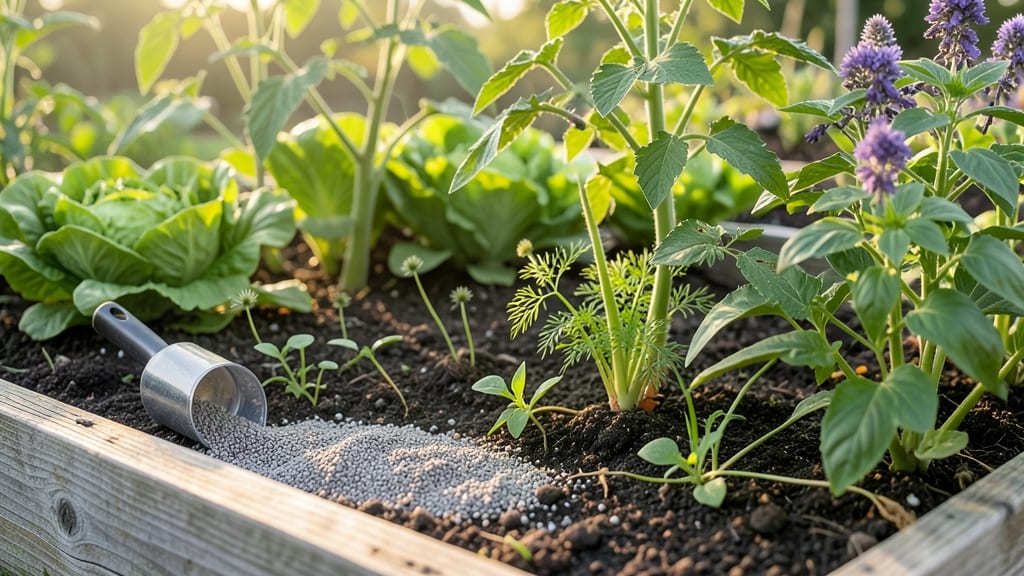
Yes, Preen can be used in a vegetable garden with the right product—choose Preen Garden Weed Preventer (corn gluten-based) for organic gardens, as it won’t harm edible plants. Skip Preen H&B (which contains active herbicides) near vegetables, especially root crops, leafy greens, or herbs. Always verify plant compatibility and application timing to avoid damaging sensitive crops or promoting weed resistance.
Preen's effectiveness comes from its active ingredients, which either suppress weed seeds (corn gluten) or inhibit growth (herbicides). The corn gluten version is organic-certified and breaks down naturally, making it safer for edible plants.
However, timing is critical—applying it too early can smother young seedlings, while late applications may not prevent weeds effectively. For maximum safety, I recommend testing a small patch first and avoiding use near transplanted seedlings or shallow-rooted crops like lettuce. 🌱
If you're hesitant about Preen, consider alternatives like mulching with straw or grass clippings, which smother weeds while improving soil health. For organic gardens, corn gluten meal is a great standalone option—just apply it in early spring before weeds sprout.
Always prioritize soil health over chemical solutions, as healthy plants naturally resist weeds better.
💡 In This Article
- How Preen Works and Its Safety for Edible Plants
- Best Preen Alternatives for Vegetable Gardens
How Preen works and its safety for edible plants
The core of Preen's weed control lies in its active ingredients, which function through two distinct mechanisms. Preen Garden Weed Preventer uses corn gluten meal (60%), a natural byproduct of corn processing that disrupts weed seed germination by interfering with cell division in young seedlings.
When applied at 20 lbs per 1,000 sq ft, it creates a protective barrier that prevents weeds from sprouting for up to 3-4 months.
The magic happens because corn gluten triggers a hormonal response in weed seeds, halting their growth at the embryonic stage—similar to how natural plant hormones regulate growth in nature. 🌱
In contrast, Preen H&B contains active herbicides (trifluralin and pendimethalin) that work by inhibiting cell growth in weeds' root and shoot systems. These chemicals persist in the soil for 3-6 months and can be absorbed by edible plants through their roots or foliage.
The risk isn't just immediate—residues can linger long enough to affect subsequent crops, especially those with shallow root systems like lettuce or radishes.
For example, applying Preen H&B near a carrot bed could leave residues that interfere with the crop's ability to absorb nutrients, resulting in stunted growth or bitter flavors.
The timing of application is equally critical. Corn gluten-based Preen should be applied 4-6 weeks before planting to allow it to break down slightly and reduce the risk of smothering young seedlings.
For transplanted vegetables like tomatoes or peppers, wait until 2-3 weeks after transplanting to apply, giving roots time to establish. The soil temperature also matters—corn gluten works best when soil is above 50°F, as cooler temperatures slow its breakdown and effectiveness. 🌡️
For sensitive crops, consider the absorption risk: leafy greens like spinach or kale have high surface area for foliar uptake, while root vegetables absorb chemicals through their extensive root networks.
Preen's label warns against use near edible crops within 12 months of application for H&B versions, but even corn gluten can pose risks if overapplied.
A simple test is to apply a small amount near your most sensitive crop and monitor for yellowing leaves or stunted growth over the next two weeks.
What most gardeners overlook is how Preen interacts with soil microbes. Corn gluten feeds beneficial fungi and bacteria, improving soil structure over time, while herbicide versions can disrupt these ecosystems. For organic gardens, this microbial boost is a key benefit—healthy soil naturally suppresses weeds by outcompeting them for resources.
The trade-off? It takes 2-3 growing seasons to see these soil health benefits fully realized. 🌿
If you're growing crops like strawberries or herbs, where flavor and purity are critical, opt for Preen Garden Weed Preventer and apply it at least 6 weeks before harvest.
For maximum safety, pair it with a thick layer of organic mulch (3-4 inches) to further reduce weed pressure while protecting your soil's microbial life. The result? A vegetable garden where your edibles thrive without the risk of chemical contamination. 🍅