
Plants
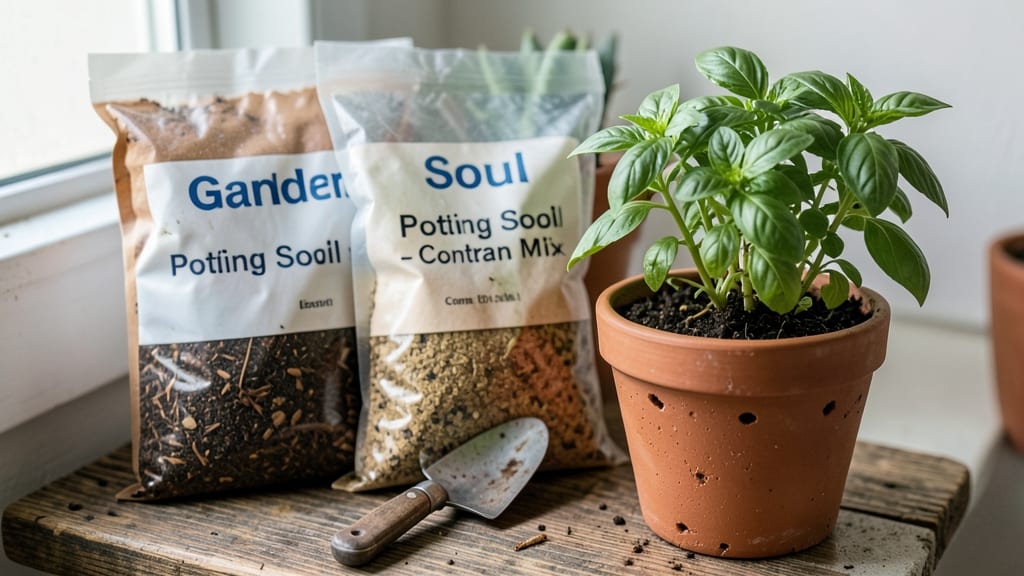
You shouldn't use garden soil for potted plants because it compacts easily, drains poorly, and may contain pests or diseases that harm roots. Instead, opt for lightweight potting mixes with perlite or vermiculite to improve aeration and drainage.
Garden soil's heavy texture smothers roots by blocking oxygen flow, while its poor drainage leads to soggy soil and fungal growth. 🌱 The microbial balance in backyard soil also differs from sterile potting mixes, which are formulated to prevent pathogen buildup.
For container gardening, I always recommend pre-mixed blends with added organic matter—like coconut coir or compost—to mimic ideal growing conditions without the risks.
Even for heavy feeders like tomatoes or peppers, amending garden soil with 50% perlite and 30% compost creates a safer alternative, though it still won't match commercial potting mixes for long-term performance.
The key difference? Potting soil is designed to stay loose and breathable, preventing the root rot that plagues many container gardens.
💡 In This Article
- Why Garden Soil Fails in Potted Plants
- Best Potting Mix Alternatives for Healthy Container Plants
Why garden soil fails in potted plants
Garden soil's dense structure creates a suffocating environment for roots because it lacks the air pockets that potting mixes intentionally include. When packed into containers, garden soil compresses under the weight of plants and water, reducing oxygen levels by up to 70% compared to loose potting mixes.
This oxygen deprivation forces roots to struggle for survival, leading to stunted growth or even death in severe cases. 🌱 The problem worsens in plastic pots, where heat buildup accelerates microbial activity and speeds up compaction.
Drainage is another critical failure point—garden soil holds water like a sponge, creating waterlogged conditions that drown roots within 24-48 hours after watering. Potting mixes, however, contain coarse materials like perlite or vermiculite that create channels for excess water to escape.
For example, a standard potting mix might drain 30-50% faster than garden soil, preventing the anaerobic conditions that breed harmful fungi like Phytophthora, which causes root rot.
Microbial activity in garden soil is a double-edged sword. While backyard soil contains beneficial microbes, it also harbors pathogens and weed seeds that thrive in confined container environments. Commercial potting mixes undergo sterilization processes to eliminate these risks, creating a cleaner canvas for plant roots.
The nutrient density in garden soil can also be misleading—while it may contain more organic matter initially, the lack of aeration prevents plants from accessing those nutrients efficiently over time.
Consider the case of basil plants: in garden soil, their roots suffocate, leading to yellowing leaves and weak stems, while the same basil in a 50% peat moss, 30% perlite, 20% compost mix thrives with vibrant green leaves and robust growth.
The difference lies in how each medium interacts with moisture, oxygen, and microbial life—factors that garden soil simply can't balance in containers. 🌿
Even for plants like succulents that tolerate drought, garden soil's moisture retention creates ideal conditions for rot. The 1-2 inch thick layer of coarse sand often added to garden soil isn't enough to prevent compaction in pots, where every inch counts for root development.
This is why professional growers swear by soilless mixes that combine coconut coir, bark, and minerals to replicate the ideal growing medium without the drawbacks of garden soil.