
Featured
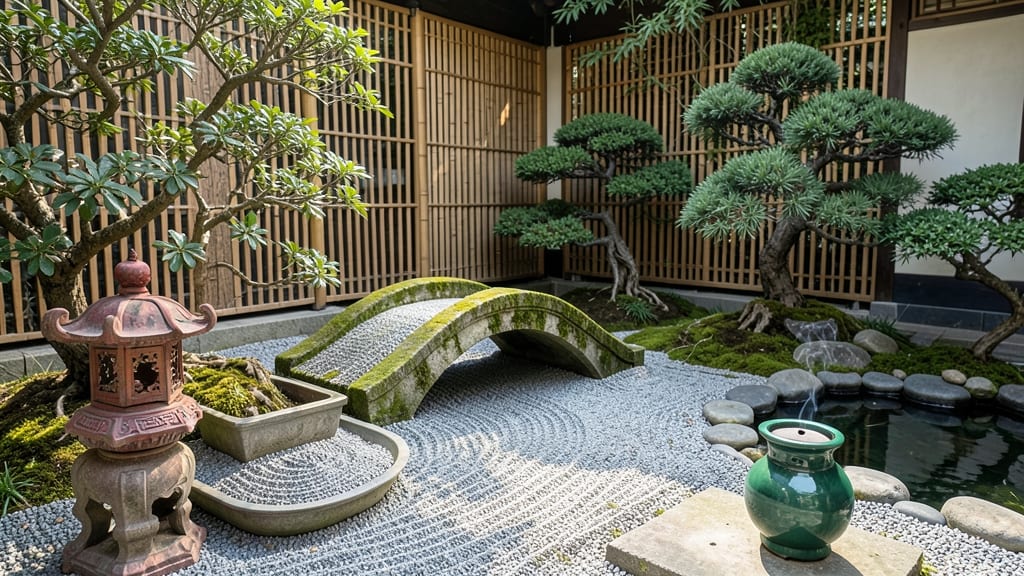
The Chinese Scholar Garden on Staten Island, NY, offers a tranquil 2-acre escape with Ming Dynasty-inspired pavilions, serene koi ponds, and living art through bonsai displays. Beyond the main attractions, you'll discover a private tea pavilion, rare medicinal herbs cultivated on-site, and seasonal blooms like plum blossoms that transform the garden throughout the year.
The Chinese Scholar Garden on Staten Island stands out as one of only three authentic Ming Dynasty-style gardens in the U.S., offering a peaceful escape from city life. 🌿 This meticulously designed space reflects traditional Chinese garden philosophy, where every element—from the winding paths to the carefully placed rocks—holds symbolic meaning.
What makes it special is how it adapts classic Suzhou garden principles to Staten Island's climate, creating a harmonious blend of cultural heritage and local horticulture.
Visitors often marvel at the garden's seasonal transformations: delicate cherry blossoms in spring, vibrant lotus flowers in summer, and golden chrysanthemums in fall. The garden's horticultural team maintains rare medicinal plants like ginseng and goji berries, which you can sometimes see growing alongside more ornamental species.
For those interested in bringing this aesthetic home, the garden offers workshops on traditional planting techniques and bonsai care tailored to New York's climate challenges.
💡 In This Article
- Traditional Chinese Garden Design Principles in Staten Island’s Scholar Garden
- Seasonal Plant Highlights and Gardening Tips for Staten Island Visitors
Traditional Chinese garden design principles in Staten Island’s scholar garden
The Chinese Scholar Garden on Staten Island embodies the core principles of classical Chinese garden design, known as "yuan" (园), where every element is carefully arranged to reflect Confucian harmony and Daoist naturalism.
The garden's layout follows the concept of "borrowed scenery" (借景), where views are framed through windows, doors, and pathways to create a sense of limitless space within its 2-acre footprint.
For example, the winding paths use gentle curves rather than straight lines to mimic natural mountain trails, guiding visitors through a meditative journey rather than a direct route.
Water plays a central symbolic role in the garden's design, representing the flow of life and the connection between heaven and earth.
The koi ponds aren't just decorative—they're strategically placed to create reflective surfaces that mirror the surrounding architecture and plants, while the gentle sound of water enhances the tranquil atmosphere. 🌊 The garden's architects adapted traditional Suzhou-style water features to Staten Island's climate by incorporating deeper ponds (up to 3 feet deep) to accommodate NY's colder winters, preventing freezing while maintaining the symbolic water flow.
This practical adjustment preserves the garden's spiritual essence while ensuring year-round functionality.
The plant selection in the Scholar Garden follows strict traditional guidelines, with each species chosen for its symbolic meaning and aesthetic qualities. Bamboo, for instance, represents resilience and flexibility, while azaleas symbolize prosperity and beauty.
The garden's bonsai collection—featuring over 50 trees—demonstrates the art of "training" plants to reflect nature's grandeur in miniature form.
Unlike commercial bonsai displays, these trees are cultivated using traditional Chinese techniques like "shohin" (极小盆栽) style, where trees are grown in containers as small as 3 inches wide while maintaining their natural proportions.
One fascinating adaptation to Staten Island's climate is the garden's use of layered planting zones. The outer areas feature hardy species like pine trees and maples that can withstand NY's harsh winters, while the central areas contain more delicate plants protected by the surrounding architecture.
This zoning creates microclimates that extend the growing season by 3-4 weeks compared to open fields in the area. The garden's rock arrangements also follow traditional principles, with carefully selected stones placed to represent mountains and create focal points that draw the eye through the space.
The Scholar Garden's tea house exemplifies another key design principle: the integration of functional spaces that serve both practical and spiritual purposes. These pavilions are positioned to capture specific views while providing shade during summer months, demonstrating how Chinese garden design considers both aesthetic harmony and environmental comfort.
The tea house's roof design, with its upturned eaves, is specifically adapted to Staten Island's occasional heavy snowfall, preventing accumulation while maintaining the traditional architectural silhouette.
What makes Staten Island's Scholar Garden particularly remarkable is how it preserves these ancient principles while creating a space that feels authentically New York. The garden's horticultural team maintains a 3:1 ratio of native plants to imported species, ensuring the garden remains ecologically balanced while still showcasing traditional Chinese horticulture.
This careful balance allows the garden to flourish in Staten Island's humid summers and cold winters, proving that classical Chinese garden design can thrive in modern urban environments with thoughtful adaptation.