
Vegetables
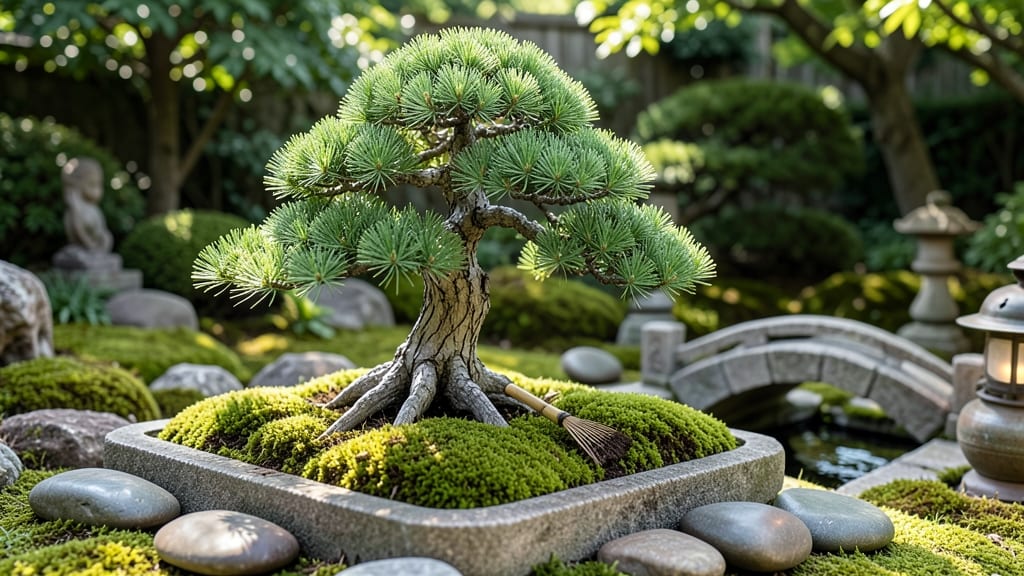
The Chinese Scholar Garden in Staten Island is NYC's only authentic scholar garden experience, where traditional Chinese landscape principles create a peaceful 1.5-acre retreat featuring lush gardens, koi ponds, and historic pavilions.
This hidden gem in Staten Island embodies centuries-old Chinese garden philosophy through its meticulous layout and plant selections. 🌿 Designed to harmonize with nature, the garden incorporates key elements like flowing water (symbolizing life), carefully placed rocks (representing mountains), and curved pathways that guide visitors through tranquil spaces.
Unlike typical parks, scholar gardens prioritize quiet reflection over grand displays, making it a perfect escape from city noise.
The garden's plant collection includes rare specimens like Japanese maples and orchids, carefully chosen for their symbolic meanings in Chinese culture. Seasonal highlights include vibrant azalea blooms in spring and fiery fall foliage, while the koi ponds add dynamic movement to the serene setting.
For visitors inspired to recreate this aesthetic at home, the garden's design principles offer valuable lessons in creating balanced outdoor spaces.
💡 In This Article
- Traditional Chinese Garden Design Principles at Work
- Top 10 Plants and Features to Explore in the Garden
Traditional Chinese garden design principles at work
The Chinese Scholar Garden in Staten Island brings centuries-old yuan theory to life, a philosophy where gardens are designed to create harmony between humans and nature.
At its core, yuan theory emphasizes three key elements: water (representing life and flow), rocks (symbolizing mountains and stability), and plants (embodying growth and renewal).
The garden's 1.5-acre layout mirrors this balance—its winding paths, stone bridges, and koi ponds all work together to guide visitors through a meditative journey, rather than a linear walk.
Unlike Western gardens that often prioritize symmetry, scholar gardens embrace asymmetry to reflect natural imperfection and the unpredictable beauty of nature. 🌿
Feng shui alignment plays a crucial role in the garden's design, with each feature carefully positioned to promote positive energy flow. The pavilions, for example, are placed to capture specific views—like the distant Statue of Liberty—while shielding visitors from harsh winds.
The garden's pine-bamboo-plum trio, known as the "Three Friends of Winter," appears throughout the space, representing resilience and perseverance. These plants are strategically grouped near water features, where their textures and colors create visual contrast against the reflective surfaces.
The Japanese maples with their delicate foliage are often placed near stone lanterns, creating a focal point that draws the eye upward, symbolizing aspiration in Chinese culture.
What makes this garden unique is how it blends traditional Chinese elements with Staten Island's native flora.
While many imported plants like orchids and azaleas thrive in the controlled environment, the garden also incorporates local species such as serviceberry bushes and wild hydrangeas to create a seamless transition between old-world aesthetics and New York's natural landscape.
This fusion demonstrates how scholar garden principles can adapt to different climates while maintaining their philosophical integrity. The result is a space that feels both timeless and distinctly American. 🌸
The garden's stonework is another key feature, with each rock carefully selected for its shape, color, and symbolic meaning. Unlike decorative garden stones, these rocks are often rough and irregular, representing the natural world's untamed beauty.
The moon gates (a hallmark of scholar gardens) frame specific views, encouraging visitors to pause and reflect on the scene beyond. These architectural elements aren't just decorative—they serve a functional purpose in guiding energy flow according to feng shui principles, creating a space that feels both purposeful and serene.
Seasonal changes in the garden highlight how traditional design principles adapt to New York's climate. In spring, the azalea blooms create vibrant splashes of color, while summer brings lush hosta foliage and the scent of jasmine vines.
Fall transforms the garden with fiery maple leaves, and winter reveals the skeletal beauty of bamboo stalks against snow. Each season offers a different interpretation of the garden's core elements, proving that scholar gardens are dynamic spaces that evolve with nature rather than remaining static. 🍂
For those inspired to create their own scholar garden, the Staten Island location serves as a masterclass in balancing form and function. The key takeaway is that every element—from the curved pathways to the strategically placed rocks—serves a purpose beyond aesthetics.
Whether you're a seasoned gardener or a beginner, the principles here offer a roadmap for designing outdoor spaces that nurture both the body and mind. The garden's success lies in its ability to make ancient traditions feel fresh and relevant in a modern urban setting.