
How To
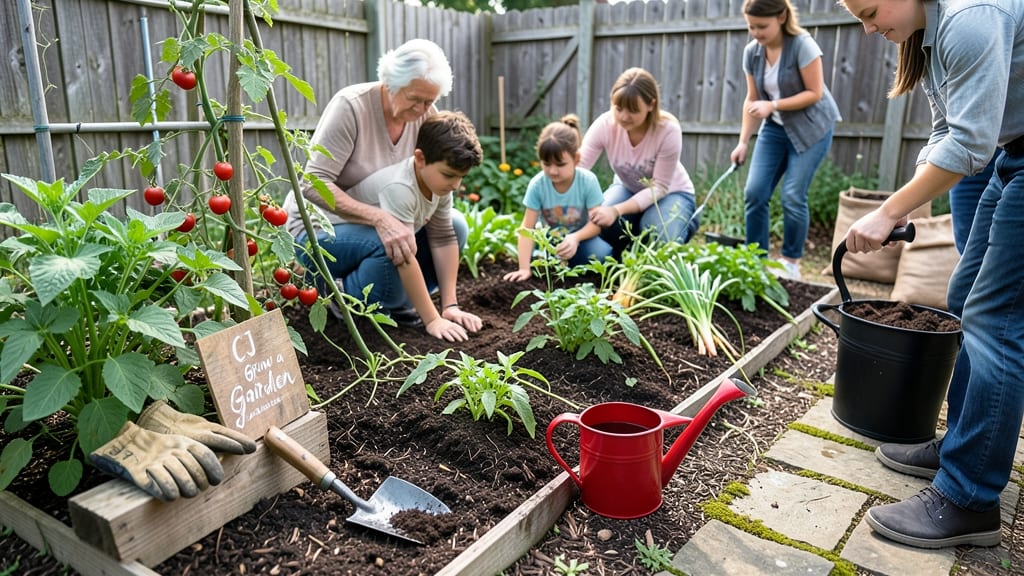
To grow a garden successfully, plan by season—prepare soil in early spring, plant cool-weather crops like lettuce and peas, then switch to warm-season varieties like tomatoes and peppers after the last frost. Prevent overwatering, weed growth, and late-season planting to maximize your harvest.
Starting a garden isn't just about digging holes—it's about working with nature's rhythms. 🌱 The key is matching plants to their ideal growing windows: leafy greens thrive in cooler months, while tomatoes and peppers demand warmth.
I've learned that even a small backyard can produce big results when you follow this seasonal flow, but the biggest mistake beginners make is rushing the process. Patience with soil prep and plant selection pays off in stronger, healthier crops that resist pests and diseases naturally.
For example, planting tomatoes before the soil reaches 60°F slows their growth and makes them vulnerable to blight. Meanwhile, skipping mulch in summer can dry out your soil faster than you'd expect.
The good news? Most common mistakes—like overwatering or ignoring weeds—have simple fixes once you recognize the signs. A little planning now saves hours of frustration later.
💡 In This Article
- Seasonal Garden Planting Calendar for Beginners
- Common Gardening Mistakes and How to Fix Them
Seasonal garden planting calendar for beginners
Understanding your local frost dates is the foundation of successful gardening. Most regions experience their last spring frost between March 15 and April 30, while the first fall frost typically arrives between October 15 and November 15.
These dates determine when to plant cool-season crops (like spinach and radishes) versus warm-season varieties (like basil and eggplant). For example, in Zone 5, you can start planting lettuce 4-6 weeks before the last frost, while tomatoes should wait until 2 weeks after the frost has passed.
The soil temperature matters just as much as air temperature. Cool-season crops grow best when soil stays between 45-65°F, while warm-season plants need soil above 60°F to thrive. You can test soil temperature with a simple probe thermometer—if it’s below 50°F, even warm-season seeds won’t germinate properly.
Mulching with straw or wood chips helps regulate temperature by keeping soil 5-10°F cooler in summer and 5-10°F warmer in spring, extending the growing season by 2-4 weeks on either end.
Crop rotation is another game-changer for beginners. Planting the same family in the same spot year after year depletes nutrients and attracts pests—like tomatoes following potatoes (both nightshades). Instead, rotate families: plant legumes (peas, beans) in one bed, then brassicas (kale, broccoli), followed by solanaceae (tomatoes, peppers).
This breaks pest cycles and improves soil health. For example, peas fix nitrogen in the soil, benefiting heavy feeders like tomatoes planted in their rotation spot the following year.
Summer maintenance often gets overlooked, but it’s critical for yield. During peak heat, water deeply 1-2 inches per week (early morning is best) and avoid wetting leaves to prevent fungal diseases. A 3-inch layer of mulch retains moisture and suppresses weeds—without it, you’ll spend 30% more time weeding.
In fall, focus on harvesting cool-season crops like Brussels sprouts (they sweeten after frost!) and planting garlic for next spring’s harvest.
Winter isn’t just a dormant season—it’s prep time. Compost kitchen scraps now, and test your soil’s pH (ideal range: 6.0-7.0 for most veggies). If your soil is too acidic (below 6.0), add lime; if alkaline (above 7.0), mix in sulfur.
This small step can double your harvest’s success rate. Even in cold climates, you can grow microgreens indoors under grow lights—just 12-16 hours of light daily keeps them thriving.
Region-specific adjustments make all the difference. In the South, you might plant warm-season crops like okra in April, while Northern gardeners wait until May 15. Check your local cooperative extension service for tailored advice—most offer free soil tests and planting guides.
The key is flexibility: if a late frost hits, cover seedlings with row fabric until temperatures stabilize.
Remember, the best gardens start with a 4-week planning phase before the first seed hits soil. Sketch your space, note sun exposure (most veggies need 6-8 hours of sun daily), and group plants by water needs. This upfront work saves time, money, and frustration later. 🌱