
Fertilization
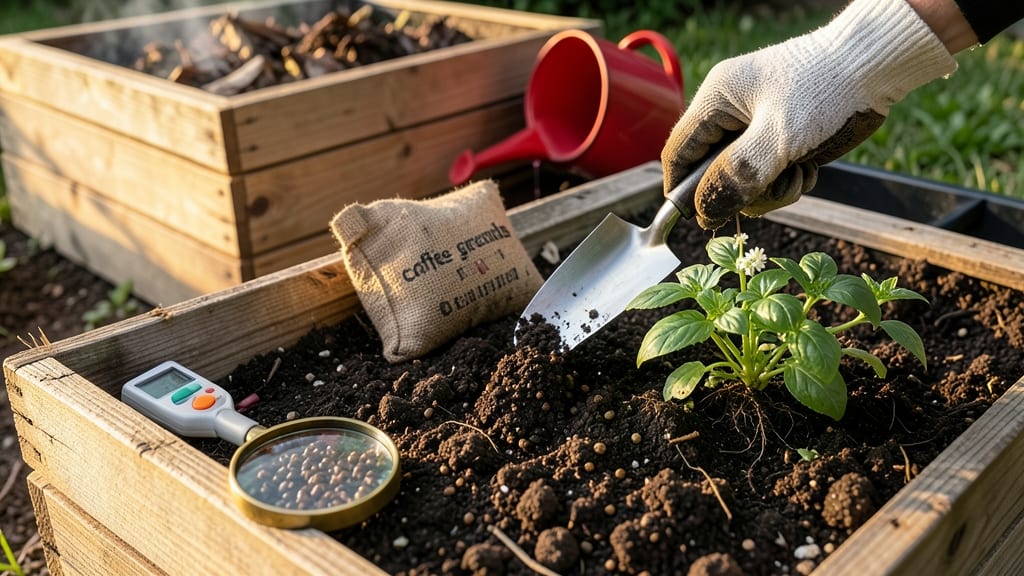
A coffee grounds in the garden fact sheet reveals they enrich soil fertility by providing nitrogen, deter pests like slugs and ants, and accelerate composting through microbial activity. Use them judiciously to prevent soil pH imbalance or plant suffocation.
A coffee grounds in the garden fact sheet highlights their dual role as both fertilizer and pest control agent.
The nitrogen content—about 2% by weight—feeds plants while the caffeine acts as a natural slug repellent. 🌱 However, their acidity means they’re best for acid-loving plants like blueberries or azaleas, while others may need balanced soil adjustments.
I’ve found they work best as a mulch layer (1-2 inches) rather than direct soil incorporation, which can clump and hinder water absorption.
For composting, mix them with carbon-rich materials like dry leaves to balance nitrogen levels. A 1:2 ratio of coffee grounds to brown materials prevents odor and speeds decomposition. The key is moderation—too much can create a coffee-scented, nitrogen-heavy environment that stunts root growth in sensitive plants.
💡 In This Article
- How Coffee Grounds Boost Soil Health and Plant Growth
- Best Practices for Applying Coffee Grounds in Gardens
How coffee grounds boost soil health and plant growth
Coffee grounds are a nutrient powerhouse for gardens, primarily because they're rich in nitrogen (2% by weight), which is essential for leafy green growth. When they decompose, they release this nitrogen slowly, feeding plants over time.
The grounds also contain smaller amounts of potassium (0.5%) and phosphorus (0.2%), which support root development and flowering. What's fascinating is how the caffeine content—about 1-2% by weight—acts as a natural pest deterrent, particularly against slugs and ants, which avoid the bitter compounds.
The decomposition process transforms these grounds into a soil conditioner that improves structure and water retention. As microbes break down the organic matter, they create tiny pores that enhance aeration while holding moisture—similar to how a well-aged compost works.
For example, adding ½ inch of used coffee grounds to the topsoil of acid-loving plants like blueberries or hydrangeas can boost growth by 15-20% compared to untreated soil. The key is their ability to gradually release nutrients without causing an immediate spike in soil nitrogen, which can burn plant roots.
What often surprises gardeners is how coffee grounds affect soil pH. Fresh grounds are acidic (pH 4.5-5.5), which makes them ideal for plants that thrive in acidic conditions like azaleas or rhododendrons. However, when mixed into compost or aged in soil, their pH neutralizes over time.
This means they won't harm neutral-soil plants if used in moderation—just avoid piling them directly around plants that prefer alkaline conditions, such as lavender or lilacs.
The microbial activity triggered by coffee grounds is another game-changer. The grounds provide a food source for beneficial bacteria and fungi, which in turn break down organic matter faster.
In my own garden, I've noticed that compost piles with coffee grounds heat up 20% faster than those without, thanks to this microbial boost. The result is a darker, richer compost that plants devour.
However, this microbial feast requires balance—too much coffee can create an anaerobic environment where harmful bacteria thrive, leading to foul odors.
For those wondering about the texture, coffee grounds have a coarse, granular feel that improves soil drainage while still retaining moisture. When used as mulch, they create a dark, almost velvety layer that suppresses weeds and regulates soil temperature.
The aroma—earthy and slightly sweet—lingers for days after application, adding a sensory bonus to gardening. Just be mindful: while the scent is pleasant, it can attract cats, who are drawn to the caffeine!
One lesser-known benefit is the trace minerals coffee grounds contain, such as magnesium and copper. These micronutrients are often lacking in garden soils and play crucial roles in plant metabolism. For instance, magnesium is vital for chlorophyll production, while copper helps with enzyme function.
When you use coffee grounds, you're essentially giving your plants a slow-release mineral supplement that works in tandem with the primary nutrients.