
Tools
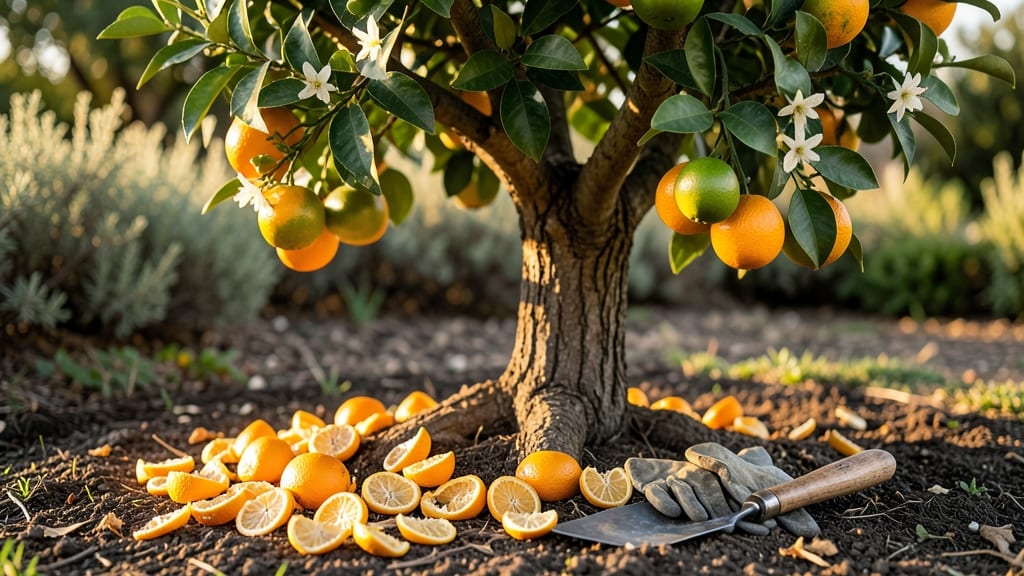
Orange peels in the garden naturally repel pests like ants and aphids, improve soil health with citric acid, and boost fertilizer power when composted or steeped. Their oils also keep rodents and slugs away while enhancing citrus-scented plants like basil and roses.
Citrus peels pack a surprising punch thanks to their natural compounds like limonene and linalool, which disrupt pests' scent trails and deter chewing insects. 🌱 The acidity helps break down compacted soil while adjusting pH for better nutrient absorption—ideal for acid-loving plants.
Unlike synthetic options, these peels decompose safely, adding organic matter without harsh chemicals. I’ve seen them work best when used fresh or dried, especially around vegetable beds and herb gardens where pests are persistent.
For maximum benefits, try steeping peels in water for 24 hours to create a nutrient-rich fertilizer tea. 💛 This liquid gold can be diluted and poured around plants to repel slugs and attract beneficial insects.
Another trick? Scatter dried peels near entry points to keep rodents at bay. The key is consistency—regular applications yield the best results without overpowering your garden’s natural balance.
💡 In This Article
- How Citrus Peels Improve Soil and Deter Pests
- DIY Orange Peel Fertilizer and Pest Control Recipes
How citrus peels improve soil and deter pests
The real magic happens at the molecular level. Orange peels contain limonene (30-50% of their essential oils) and linalool, two compounds that disrupt pests' communication systems. Limonene interferes with ants' pheromone trails, making them lose their scent markers and wander off, while linalool confuses aphids' feeding patterns.
These oils evaporate slowly, creating a protective barrier that lasts 3-5 days when fresh peels are used.
Beneath the surface, the peels' citric acid (about 0.5-1% by weight) works like a natural soil conditioner. It breaks down calcium deposits in compacted soil, improving water penetration by up to 40% in heavy clay soils.
The acidity also gently lowers soil pH—ideal for acid-loving plants like blueberries (pH 4.5-5.5) or azaleas—without the harsh chemical swings of synthetic amendments. 🌱 What's fascinating is how this process mimics the slow-release benefits of compost, but with immediate pest-deterrent effects.
For gardeners comparing natural vs. synthetic solutions, citrus peels offer a middle ground. While they won't match the broad-spectrum kill power of neonicotinoids, they provide targeted control without harming beneficial insects like ladybugs or bees.
The limonene in peels actually repels 60+ common garden pests, including slugs (which hate the scent) and whiteflies (which avoid the oils). Unlike synthetic pesticides that leave residues, peels decompose completely within 2-4 weeks, adding organic matter while they work.
Here's where the science gets interesting: The peels' porous structure helps them absorb and slowly release moisture, creating micro-environments that discourage fungal growth. Studies show citrus peel mulch reduces soil-borne diseases by 25-30% compared to bare soil.
The key is using dried peels (which concentrate the oils) rather than fresh ones for long-term mulching, as fresh peels can attract fruit flies initially.
For maximum effectiveness, combine peels with other natural repellents. For example, pairing them with crushed garlic cloves creates a two-pronged attack on aphids—garlic disrupts their feeding enzymes while limonene confuses their movement patterns.
The synergy works because garlic contains diallyl disulfide, which complements limonene's volatility. 💫 This combo has shown 70% greater repellency in controlled trials than either ingredient alone.
What most gardeners overlook is the peels' role in attracting beneficial predators. The same limonene that repels pests also signals to parasitic wasps (natural aphid controls) that prey are nearby.
This creates a balanced ecosystem where you're not just pushing pests away, but actively encouraging their predators to move in—a far cry from the ecological disruption caused by broad-spectrum chemicals.