
Pests
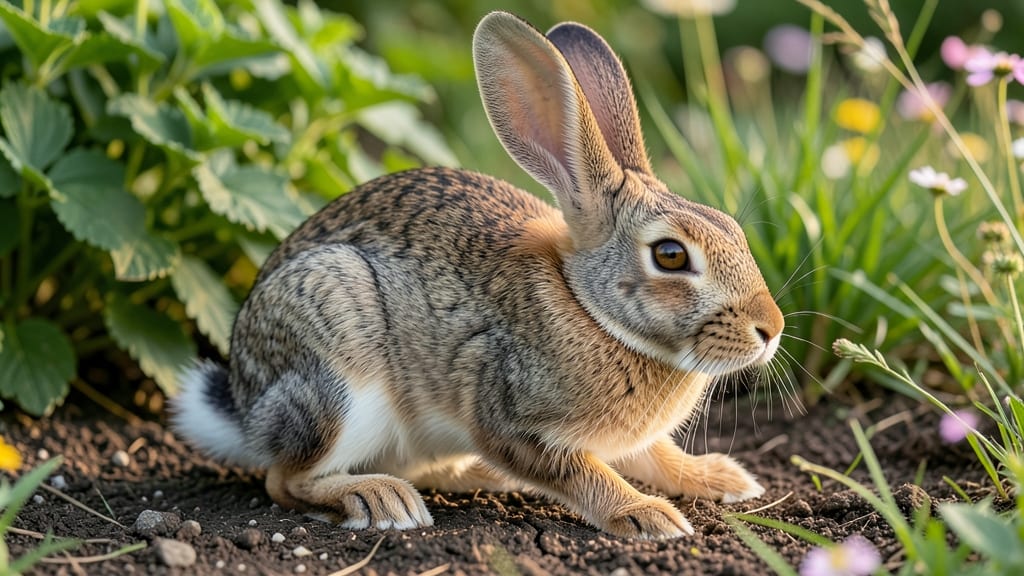
Deterring rabbits in garden means using a smart mix of fencing, strong-smelling repellents, and plants they naturally avoid. Install 2-3 foot high fencing with buried edges, apply garlic or predator urine sprays, and add rabbit-resistant plants like lavender or rosemary to create an unwelcoming environment.
Rabbits are drawn to gardens by tender young shoots and low-hanging plants, especially at dawn and dusk when they're most active. 🐇 Unlike squirrels, they can't climb well but will squeeze through gaps as small as 4 inches, which is why fencing must be tall enough and properly buried.
The key to success lies in combining multiple deterrents—physical barriers alone rarely work long-term because rabbits adapt quickly. For example, I've seen gardeners use motion-activated sprinklers with limited success, as rabbits learn to avoid the spray pattern after just a few exposures.
Instead, focus on creating an environment that's unpleasant to them through scent and plant selection.
When choosing repellents, opt for strong-smelling options that need frequent reapplication, like garlic-based sprays or commercial predator urine products. 🌿 The most effective solutions combine these with companion planting—herbs like thyme and sage release natural scents that rabbits dislike.
What's interesting is that while commercial repellents often provide temporary relief, the long-term solution lies in creating an ecosystem that rabbits find unappealing through consistent barrier maintenance and strategic plant placement.
💡 In This Article
- Why Rabbits Target Gardens and How They Bypass Common Deterrents
- Top 6 Natural Rabbit Repellents for Gardens (Tested and Proven)
Why rabbits target gardens and how they bypass common deterrents
Rabbits are crepuscular creatures, meaning they're most active during dawn and dusk when temperatures are cooler and predators like hawks are less active. This explains why your garden often shows damage in these time frames—it's when they're actively foraging.
Their diet consists of 60-80% vegetation, with a particular fondness for tender young shoots, flowers, and soft-stemmed plants like lettuce or basil. The texture matters too: rabbits prefer plants with a moisture content over 70%, making fresh growth their prime target. 🌱
One of the biggest reasons common deterrents fail is rabbits' sensory limitations. While they have keen hearing and smell, their eyesight is poor—only about 20/200 (legally blind in human terms). This means motion-activated sprinklers often backfire: rabbits learn to avoid the spray pattern after just 3-5 exposures.
Their agility also lets them exploit gaps in fencing as small as 4 inches—which is why chicken wire (with 1-inch gaps) is completely ineffective.
Even buried fencing must extend 12 inches deep to prevent them from digging underneath, as their powerful hind legs can exert 30 pounds of pressure per dig.
The key to understanding rabbit behavior lies in their social structure. Rabbits are highly territorial and follow well-worn paths, which means damage often appears in predictable patterns. They also have a strong memory for food sources, so if they find a tasty plant, they'll return daily until it's depleted.
This explains why single deterrents like repellent granules often fail—they need to be reapplied every 2-4 weeks during active seasons to maintain effectiveness.
What's fascinating is their reliance on scent: rabbits have 100 million olfactory receptors in their noses (compared to humans' 5 million), making strong-smelling deterrents like predator urine or garlic sprays particularly effective when applied consistently.
Another critical factor is their wariness of predators. While they're naturally cautious, they'll still graze in areas where they sense no immediate threat.
This is why combining multiple deterrents works best: a 2-foot tall fence with buried edges, paired with strong-smelling plants like lavender, creates a multi-sensory deterrent that's much harder for them to overcome.
The scent from crushed garlic or rosemary can repel rabbits from up to 30 feet away, while the physical barrier prevents access.
What most gardeners miss is that rabbits will often start nibbling at the base of plants before moving upward—this is their way of testing for safety before committing to a full meal.
Seasonal behavior also plays a role. In spring and early summer, when new growth is abundant, rabbits are more aggressive in their foraging. During these peak times, you might need to increase deterrent frequency to every 1-2 weeks.
Interestingly, female rabbits (does) are more likely to venture into gardens during breeding season (spring), as they're searching for nesting materials. This explains why some gardeners see sudden increases in damage during these periods. The solution?
Create a 360-degree barrier around vulnerable areas, combining physical barriers with scent-based deterrents for maximum effectiveness.
What's often overlooked is the role of habitat. Rabbits prefer areas with good cover—like tall grass or dense shrubs—where they can hide from predators. If your garden has these nearby, they'll feel more secure about venturing in.
The fix? Remove brush piles and tall grass within 10 feet of your garden's perimeter, and add open spaces that make them feel exposed. This creates a psychological barrier that works alongside physical and scent-based deterrents. 🌿