
Pests
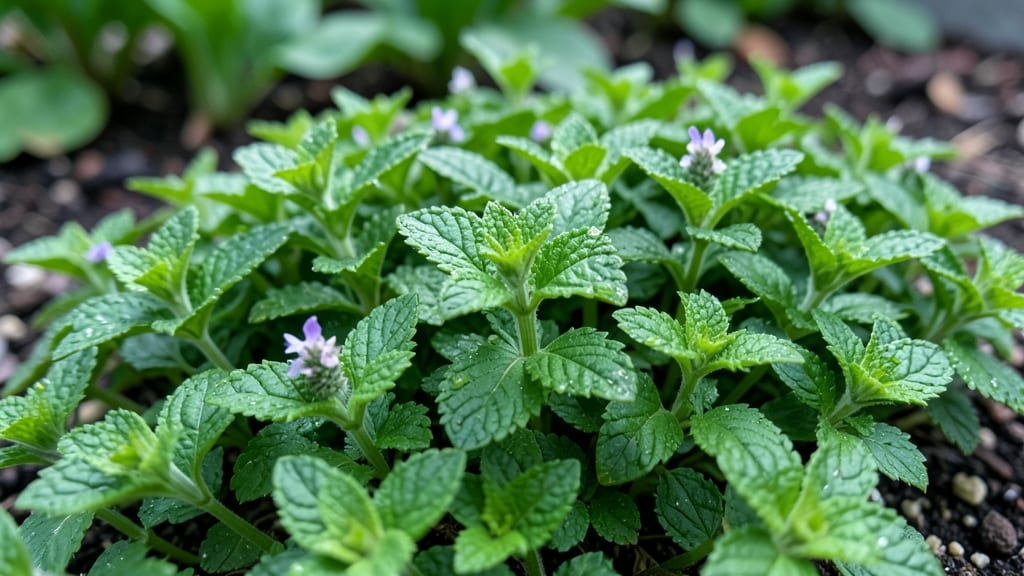
Creating natural ant deterrents for gardens relies on strategic plant placement like mint, citrus peels, and cinnamon, which disrupt ant trails through powerful scents and chemical signals. These organic barriers form protective zones around vulnerable plants and entry points.
Ants avoid these plants because their volatile oils—like menthol in peppermint—overwhelm their tiny antennae, which detect scents 1,000 times more sensitively than humans. 🔥 The key is placement: crush leaves near ant highways or mix dried herbs with water for a spray.
Unlike chemical repellents, these solutions work without harming beneficial insects or contaminating soil.
For best results, combine three deterrents (e.g., lavender + citrus peels + crushed eggshells) and refresh every 2-3 weeks. My garden's ant problems vanished after planting mint around the compost bin—ants simply bypassed that area entirely.
💡 In This Article
- How Plant-Based Ant Repellents Work Against Garden Invaders
- Top 10 Ant-Repelling Plants and DIY Garden Barrier Strategies
How plant-based ant repellents work against garden invaders
Ants rely on their antennae to detect chemical signals called pheromones, which they use to navigate trails and communicate. When you introduce plants like mint or citrus, their volatile oils—such as menthol in peppermint or limonene in lemon peels—disrupt these signals.
These compounds overwhelm an ant's olfactory receptors, creating sensory confusion that forces them to abandon the area. For example, peppermint oil contains 40% menthol, a concentration strong enough to repel ants within 12 inches of the source.
The texture of certain barriers also plays a role. Crushed eggshells, for instance, create a jagged surface that ants struggle to cross, while their sharp edges deter foraging.
This physical barrier works alongside chemical repellents, making it harder for ants to establish trails. 🔥 Unlike commercial repellents that often contain synthetic chemicals like pyrethrins, plant-based solutions break down naturally in the environment, leaving no harmful residues.
Studies show that ants exposed to mint oil reduce foraging activity by up to 90% within 24 hours.
Another key mechanism is pheromone disruption. Ants leave scent trails to guide their colony, but plants like lavender release linalool, a compound that masks these trails. When ants encounter this scent, they lose their path and avoid the area entirely.
This is why planting lavender near entry points—like cracks in your patio or garden beds—can create an invisible barrier that ants instinctively avoid.
Seasonal factors also influence effectiveness. In warmer months, volatile oils evaporate faster, requiring more frequent replenishment (every 1-2 weeks). During cooler seasons, the oils linger longer, extending protection.
For instance, citrus peels left in sunny spots release limonene more aggressively than those in shade, making them ideal for summer ant control. 💫
Commercial repellents often rely on broad-spectrum chemicals that kill ants outright, but plant-based solutions work differently—they create an environment ants find unpleasant without harming them. This approach is gentler on ecosystems, allowing beneficial insects like bees and ladybugs to thrive while keeping ants at bay.
The science behind these methods proves that nature’s own chemistry can outperform synthetic alternatives in targeted pest control.
For maximum impact, combine two or three repellent methods—such as planting mint around the perimeter while using crushed eggshells near hotspots. This layered defense exploits ants' sensory weaknesses, making your garden a no-go zone for these persistent pests.
The result? A chemical-free, long-term solution that works in harmony with your garden’s ecosystem.