
Advice
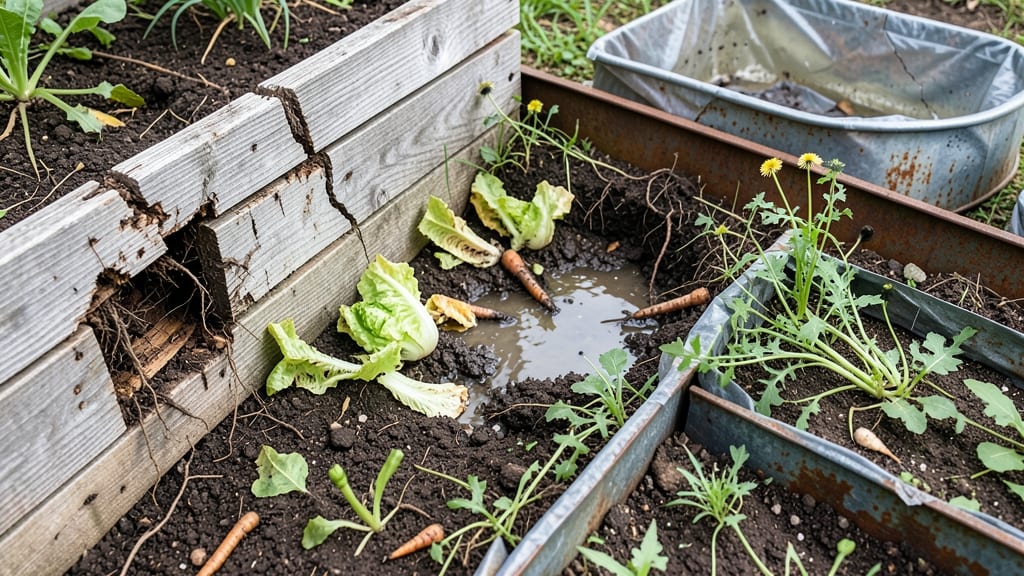
The disadvantages of raised bed gardening include faster soil drying, higher initial costs for materials, and potential drainage issues if not properly constructed. Overheating in summer and limited space for root crops can also pose challenges for gardeners.
Raised beds lose moisture faster because their exposed edges dry out quicker than in-ground soil, forcing you to water more often—sometimes daily in hot climates. 🌞 The elevated design also means soil heats up faster during summer, which can stress heat-sensitive plants like lettuce or peas.
Plus, without proper drainage layers (like gravel or landscape fabric), water can pool at the bottom, leading to root rot. These factors make raised beds less forgiving than traditional gardens for beginners or those with busy schedules.
Another big downside is the upfront cost—quality lumber, hardware cloth for pest protection, and soil amendments can add up quickly. 2x4s, cedar boards, and compost alone can cost $200-$500 for a single 4x8-foot bed.
And while raised beds save space vertically, their width limits root crops like potatoes or squash, forcing you to get creative with companion planting or invest in multiple beds. The trade-off between convenience and cost often surprises gardeners who assume raised beds are a one-size-fits-all solution.
💡 In This Article
- Common Soil and Environmental Challenges in Raised Beds
- Cost and Space Management Mistakes in Raised Bed Gardens
Common soil and environmental challenges in raised beds
Raised beds lose moisture at an alarming rate—up to 30% faster than in-ground soil—because their exposed edges create a larger surface area for evaporation. Imagine a 4x8-foot bed with 10 feet of exposed perimeter: that's like leaving a bucket of water out in the sun versus burying it underground.
The soil near the edges dries out first, creating a moisture gradient that can stress plants growing along the perimeter. This is especially critical in hot, dry climates where daily watering may become necessary during peak summer months.
The elevated design also turns raised beds into heat sinks during summer. Soil temperatures can climb to 10-15°F hotter than ground-level plots, which is problematic for heat-sensitive crops like leafy greens or peas.
The lack of natural insulation means roots experience more temperature fluctuations, similar to how a blacktop parking lot stays scorching while grassy areas remain cooler. 🌡️ This thermal stress can stunt growth or even kill seedlings if not managed with shade cloth or mulch. The solution?
Adding 3-4 inches of organic mulch (straw or wood chips) can reduce soil temperature swings by 5-10°F.
Poor drainage is another hidden challenge if beds aren't constructed properly. Without a gravel or sand layer at the bottom (typically 2-4 inches), water pools at the base, creating anaerobic conditions that lead to root rot.
I've seen beds with standing water after heavy rains, turning what should be a thriving garden into a soggy mess. The fix requires planning: using landscape fabric over the drainage layer prevents soil from clogging the drainage path while allowing excess water to escape.
Even with proper construction, raised beds demand more frequent maintenance than in-ground gardens. The lack of natural soil replenishment means nutrients deplete faster, requiring annual compost additions (typically 1-2 inches) to maintain fertility. Without this, you'll notice stunted growth or yellowing leaves—clear signs of nutrient exhaustion.
The trade-off? While this requires more effort, it also means you have complete control over soil quality, unlike in-ground plots where compaction and clay content can be problematic.
Consider this real-world example: A tomato plant in a raised bed may need 1-2 inches of water per week during summer, while the same plant in-ground might require only 1 inch. The difference comes from the exposed edges and lack of moisture retention from surrounding soil.
This isn't just about watering more—it's about adjusting your entire gardening approach to account for these environmental factors. 💧
For gardeners in windy areas, another challenge emerges: soil erosion along the bed edges. The loose topsoil can blow away during storms, exposing roots and creating uneven growing surfaces.
This is why many experts recommend building beds with slightly sloped sides (about 10-15 degrees) to help water run off while keeping soil in place.