
Tools
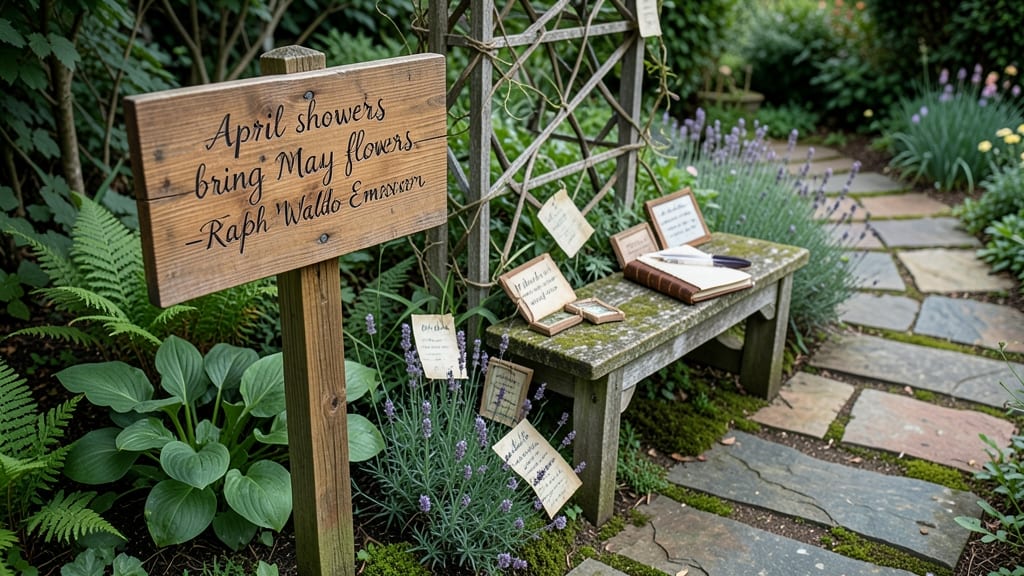
Quotes on gardening capture the essence of planting and growing, offering timeless wisdom about nurturing life, embracing seasons, and finding meaning in the slow, rewarding work of tending to nature.
These words go beyond decoration—they reflect the deeper connection between humans and plants. Many classic gardening quotes draw from nature's cycles, framing gardening as both a science and an art. 🌱 For example, Henry David Thoreau’s reflections on "wildness" in gardens remind us that even cultivated spaces hold untamed beauty.
Whether you’re a seasoned gardener or just starting, these lines can serve as daily reminders to observe, adapt, and celebrate the process of growth.
What makes them especially powerful is how they bridge practical gardening with personal reflection. A well-placed quote can transform a simple garden journal entry into a moment of mindfulness, or turn a social media post into an inspiring call to action.
I’ve seen gardeners use them to mark milestones—like the first bloom of spring or the harvest of summer—turning routine tasks into meaningful rituals.
💡 In This Article
- Why Classic Gardening Quotes Resonate with Plant Lovers
- How to Use Gardening Quotes in Your Garden Journal or Social Media
Why classic gardening quotes resonate with plant lovers
Classic gardening quotes tap into something primal about human nature—the desire to nurture, to witness transformation, and to find meaning in slow progress. These words often echo ancient agricultural wisdom, where every season was a lesson in patience and adaptation.
For instance, the Roman philosopher Seneca's observation that "a garden is a grand teacher" reflects how tending plants mirrors life's challenges: you plant seeds in faith, tend them with care, and eventually reap rewards you can't always predict.
This parallel between gardening and personal growth explains why these quotes feel so universally relevant, even in our fast-paced world.
The power of these quotes lies in their dual nature—they're both practical and poetic. Take the famous line by Luther Burbank: "The art of gardening is to make nature do what you want her to do." This captures the science of horticulture while acknowledging the artistry involved.
Burbank's work with plant hybridization wasn't just about botany; it was about collaboration with nature's systems. When you read this while pruning roses or composting, you're not just following instructions—you're participating in a centuries-old dialogue between humans and plants that these quotes preserve and honor.
Neuroscientifically, this resonance works because gardening activates multiple brain regions simultaneously—the same areas that respond to creativity, problem-solving, and emotional connection. Studies show that tending plants releases serotonin (the "feel-good" chemical) while also engaging the prefrontal cortex, responsible for planning and decision-making.
When you pair this physical activity with inspiring words, you create a feedback loop: the quotes reinforce your gardening efforts, while your hands-on work makes the abstract wisdom feel tangible.
This is why gardeners often turn to quotes during challenging times—like when a frost threatens young seedlings or when weeds seem to win the battle.
Consider how different gardening quotes address specific emotional needs.
For example, quotes about seasons ("April showers bring May flowers") comfort us during transitional periods, while lines about resilience ("What flowers close themselves at night, open their sweet faces to the sun") remind us that even temporary setbacks are part of nature's rhythm.
The best quotes don't just describe gardening—they become emotional anchors for the gardener's journey. This is why you'll find them engraved on garden tools, stitched into aprons, or painted on shed walls: they serve as constant companions in the garden's ever-changing landscape.
The enduring appeal also stems from how these quotes adapt to modern gardening practices. While some classic lines reference traditional methods (like "dig deep, plant deep"), others translate beautifully to contemporary techniques.
For example, the permaculture principle "the solution to pollution is dilution" could easily be paired with a quote about biodiversity. This versatility means the wisdom remains relevant whether you're practicing organic farming, urban container gardening, or even indoor hydroponics. The core message—that we're stewards of life—transcends specific methods.
What makes these quotes particularly compelling is their ability to create community. When you share a gardening quote on social media or at a local garden club, you're not just expressing an idea—you're inviting others into a shared experience. The quote becomes a conversation starter about techniques, failures, and triumphs.
This communal aspect explains why gardening quotes appear in everything from seed packets to botanical gardens. They're not just decorative; they're invitations to connect with others who understand the quiet magic of watching something grow from nothing.